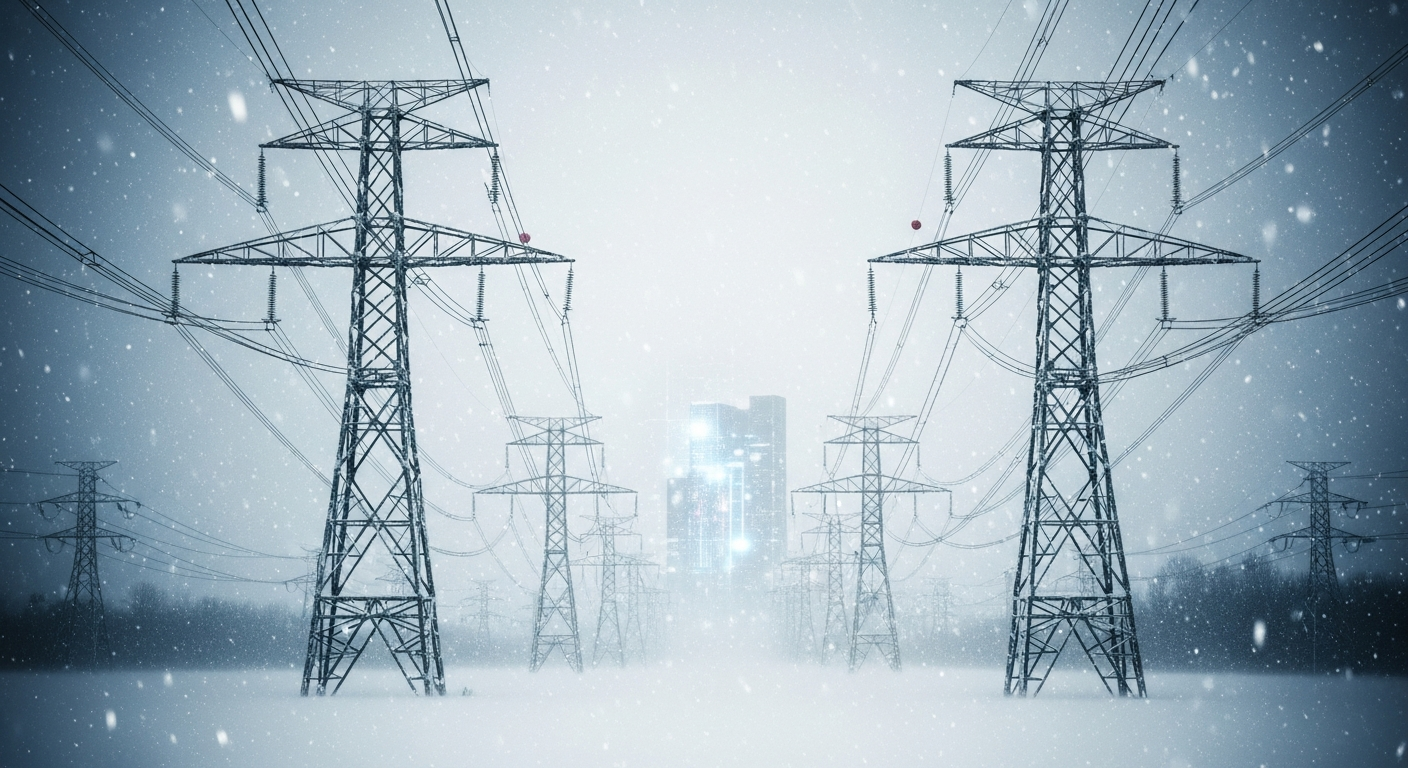
The recent passage of Winter Storm Fern across 34 states plunged hundreds of thousands into darkness, revealing the critical vulnerabilities within America's power infrastructure. While the immediate cause of widespread outages was the severe weather, the underlying strain on power grids is increasingly attributed to a less visible, yet potent, factor: the surging energy demands of artificial intelligence (AI) data centers. [FEATURED]
Key Takeaways:
-
Dual Pressure: Power grids are simultaneously battling the volatility of extreme winter weather and the continuous, high-load demand from AI data centers.
-
Economic Impact: Wholesale electricity prices soared in key regions, particularly in states with high data center concentrations, pointing to potential long-term increases in utility bills.
-
Infrastructure Deficit: Existing grid infrastructure, often aging, is struggling to adapt to unprecedented demand spikes, raising concerns about reliability and resilience.
-
Public Discontent: Rising utility costs, exacerbated by energy demand for new technologies, are fueling public opposition to data center expansion across the United States.
-
Regulatory Scrutiny: The situation calls for urgent policy review and investment in grid modernization to accommodate future energy needs responsibly.
The Dual Challenge: Climate and Computing
The colossal winter storm, spanning nearly two-thirds of the contiguous United States, subjected power lines and substations to bitter cold and heavy precipitation. This environmental stress test comes at a time when power grids are already grappling with an unprecedented increase in electricity consumption driven by the technology sector. AI data centers, operating 24/7, require vast amounts of electricity not only to power their computational hardware but also for intensive cooling systems. This creates a perpetual baseline demand that compounds the challenges posed by intermittent, severe weather events.
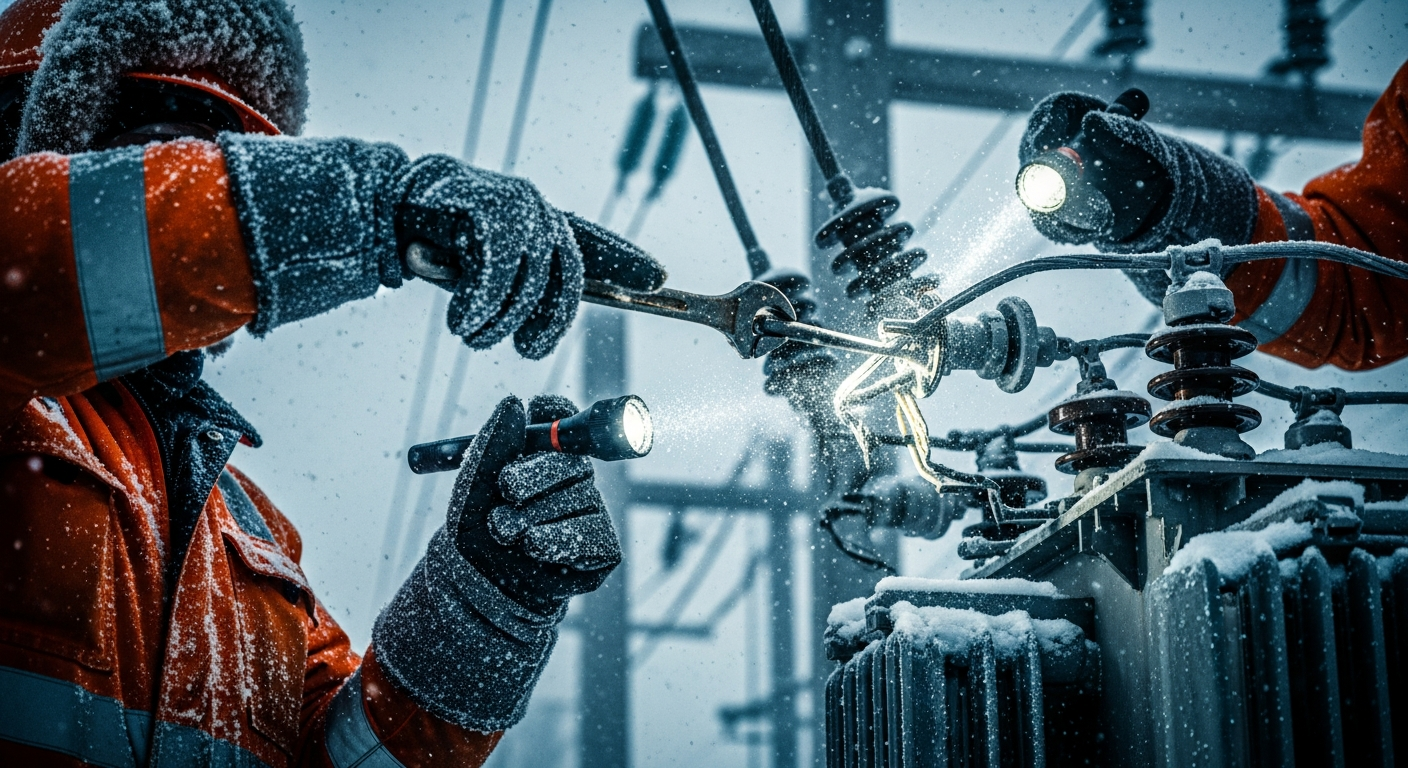
Grid operators and utilities are finding themselves in an increasingly precarious position. Historically, major demand spikes were primarily seasonal, linked to heating or cooling residential and commercial spaces. However, the introduction of massive, energy-intensive data centers adds a new, non-seasonal layer of demand that fundamentally alters load profiles and operational planning. The incident in Irving, Texas, where power lines were tested on a Sunday in January, serves as a stark reminder of these combined pressures.
The Epicenter: Virginia and Data Center Concentration
Virginia, notably the state with the highest concentration of data centers globally, exemplifies the acute challenges. Over the recent storm weekend, wholesale electricity prices in Virginia experienced significant spikes. While such increases are not entirely unexpected during periods of heightened energy demand for heating, the underlying stress from data center loads amplifies these effects. This situation foreshadows a future where rapid technological growth, particularly in AI, could necessitate substantial re-evaluation of energy policy and infrastructure investment.
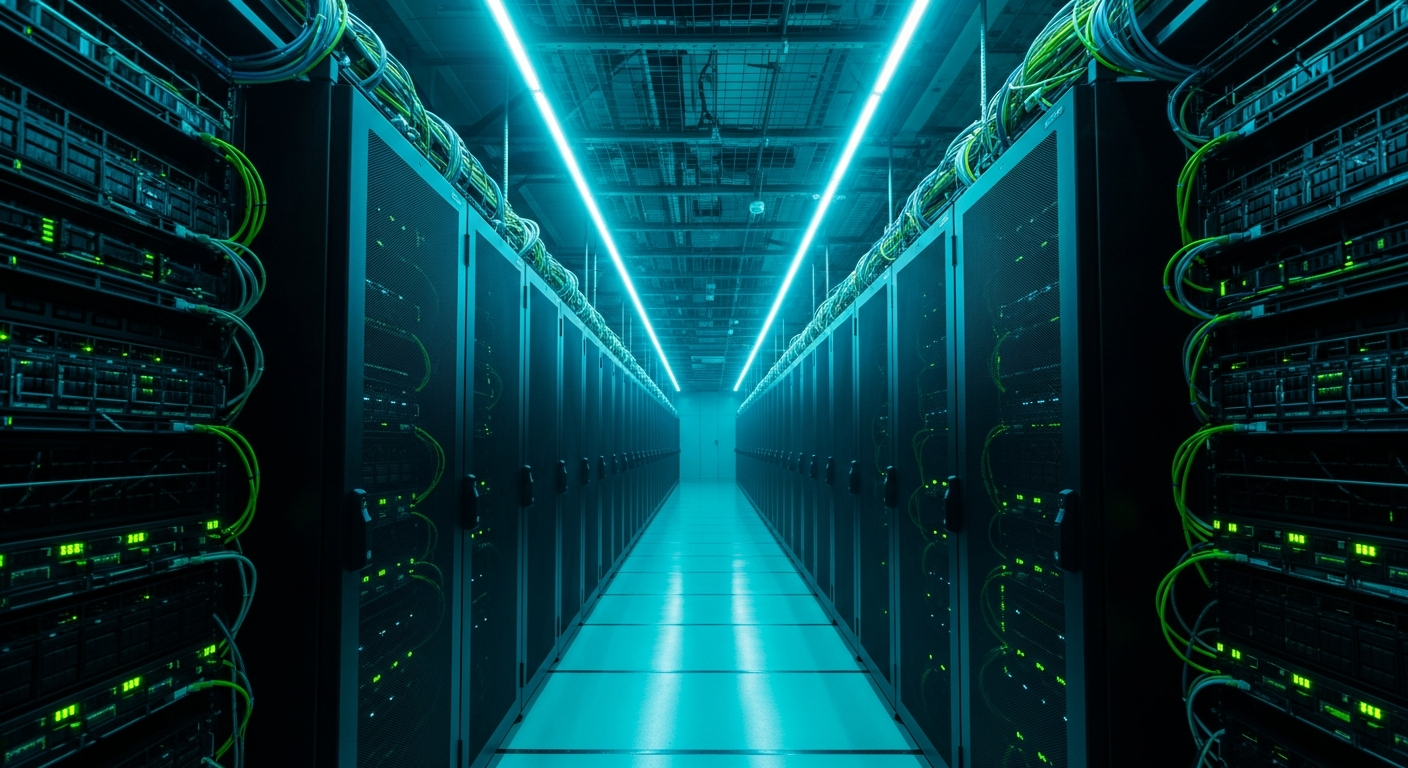
The concentration of these facilities in specific regions creates localized pressure points on the grid. Developing new transmission lines or upgrading existing substations to handle these loads is a capital-intensive and time-consuming process, often lagging behind the rapid pace of data center construction. The disparity between technological advancement and infrastructure development presents a critical bottleneck.
Economic Ripples: Soaring Prices and Utility Bills
The direct consequence of stressed grids and surging demand is higher electricity prices. Wholesale electricity markets are designed to reflect the balance of supply and demand, and when demand approaches or exceeds available capacity, prices inevitably climb. These wholesale price increases eventually trickle down to consumers, manifesting as higher utility bills. This financial burden is particularly contentious when linked to the energy consumption of large corporations rather than essential household needs.
Economically, the issue extends beyond immediate billing. Predictable and affordable energy is a cornerstone of industrial and economic stability. Volatile energy prices and the risk of grid instability can deter investment, impact business operations, and contribute to inflationary pressures. The long-term implications for regional economies heavily reliant on both traditional industries and emerging tech sectors are considerable.
Infrastructure Under Scrutiny: A Call for Modernization
The current state of affairs underscores a critical need for robust infrastructure modernization. America's power grid, much of which was constructed decades ago, was not designed to withstand the dual pressures of increasingly frequent and severe climate events alongside the insatiable energy appetite of modern computing. Solutions would involve a multi-pronged approach: investing in smart grid technologies, expanding renewable energy sources with robust storage solutions, enhancing transmission capacity, and implementing demand-side management strategies.
Public Sentiment
Public sentiment, as reflected in various community discussions and local reports, is increasingly characterized by frustration and concern. Citizens are voicing discontent over rising utility bills, questioning the prioritization of large-scale industrial consumers like data centers over household needs, particularly during periods of extreme weather. There is a growing opposition to new data center construction, often citing fears of increased environmental impact, aesthetic disruption, and, most prominently, the strain on local power grids and the resultant cost implications for ordinary consumers. The perception is that the benefits of technological advancement are not equitably distributed, while the burdens of increased energy demand are passed on to the public.
Conclusion
The confluence of extreme weather and the burgeoning demands of AI data centers presents a complex and urgent challenge to the reliability and affordability of power grids. As Winter Storm Fern recedes, the lessons it leaves behind must prompt decisive action. Addressing this dual pressure requires a strategic national approach that prioritizes grid resilience, fosters sustainable energy practices, and ensures equitable energy access. Failure to adapt could result in more frequent outages, higher costs, and intensified public discontent, jeopardizing both economic stability and public welfare in an increasingly electrified future.