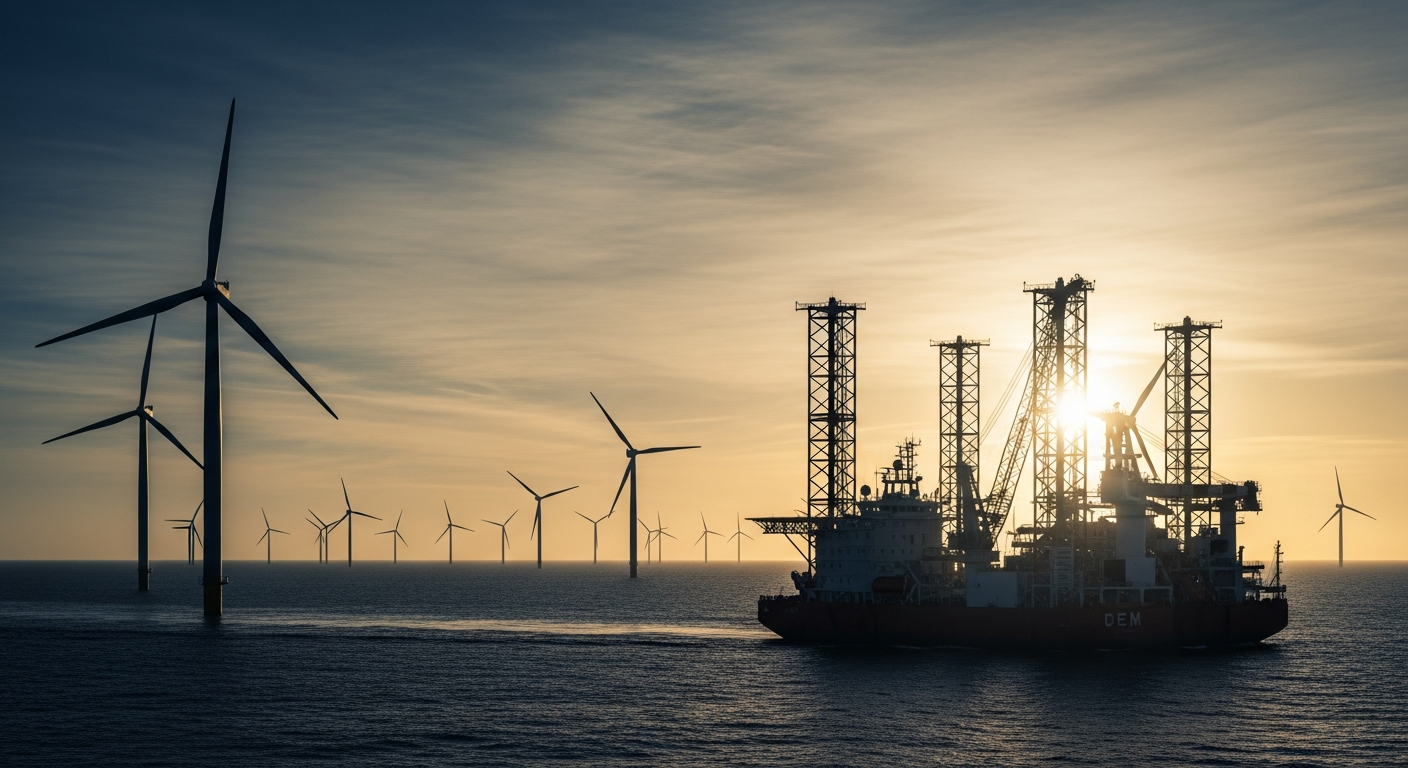
The recent rebukes by federal judges against the Department of the Interior's actions under the previous administration have profoundly reshaped the trajectory of offshore wind energy development in the United States. This legal clarity is not merely a win for specific projects; it signals a robust commitment to renewable energy infrastructure, offering long-term benefits for grid stability, energy independence, and economic growth along coastal communities.
Key Takeaways
-
Legal Certainty Restored: Judicial intervention has provided much-needed regulatory clarity, overturning previous administrative hurdles.
-
Project Momentum Accelerated: Three major East Coast offshore wind projects are now back on track for construction, reducing delays.
-
Enhanced Grid Resilience: Large-scale offshore wind integration is poised to significantly strengthen the national power grid.
-
Economic Boost: The industry expects substantial job creation and supply chain development, particularly in coastal regions.
-
Cleaner Energy Future: These developments underscore the U.S. commitment to reducing carbon emissions and achieving energy independence.
Main Analysis
The Legal Landscape Shifts
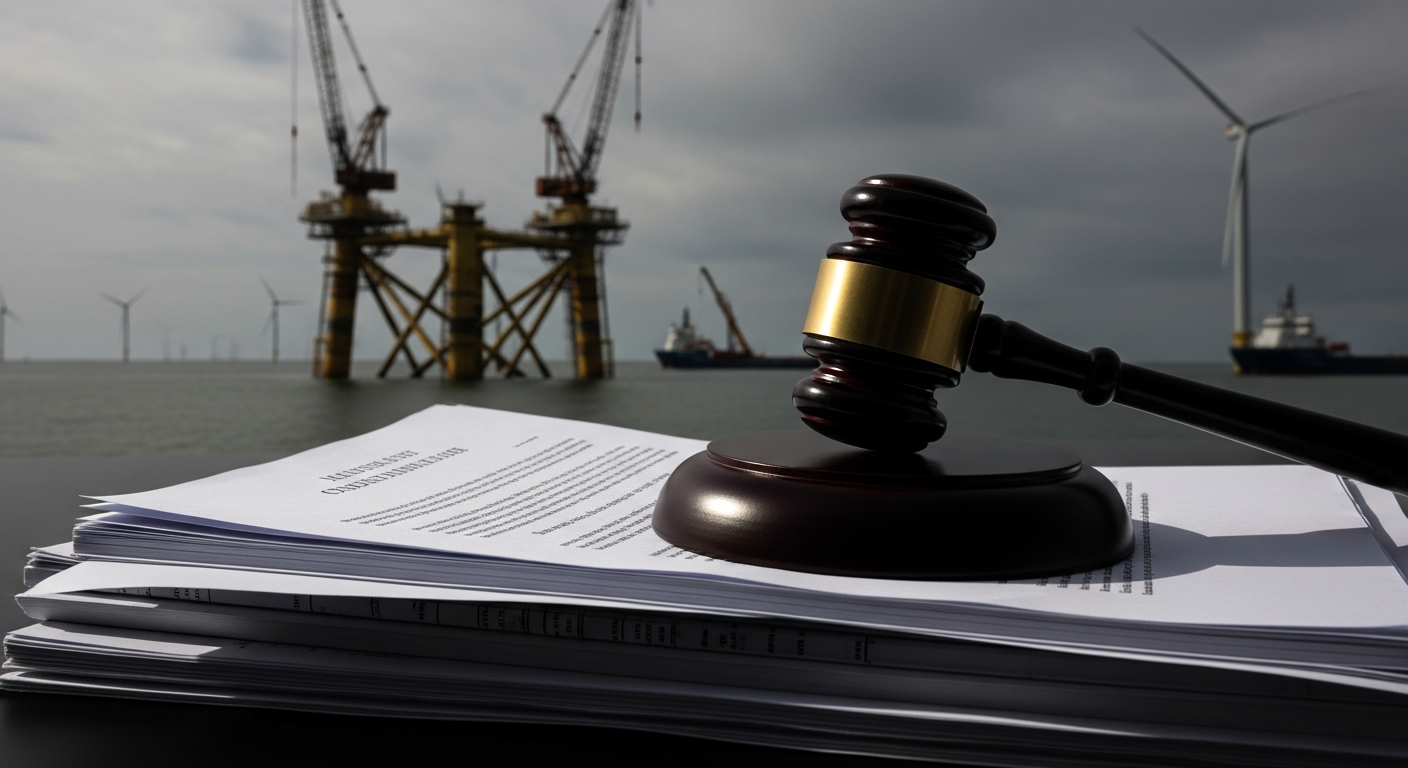
The recent judicial pronouncements have delivered a decisive blow to a series of regulatory actions initiated by the previous presidential administration, specifically targeting the Department of the Interior (DOI). These actions, often characterized by delays, amended environmental reviews, or rescinded approvals, were argued by project developers and environmental advocates to be politically motivated and lacking sufficient legal or scientific basis. Judges, in their rulings concerning at least three prominent East Coast projects – including Vineyard Wind 1 off Massachusetts, Empire Wind 1 and 2 off New York, and Revolution Wind off Rhode Island and Connecticut – have largely sided with the developers, emphasizing due process and the need for consistent application of environmental and permitting laws. The rebukes signify a judicial commitment to upholding established regulatory frameworks, rather than permitting their arbitrary manipulation.
Implications for Project Momentum
For the three aforementioned projects, these legal setbacks for the DOI translate directly into renewed momentum. Construction, which had either been stalled or faced significant uncertainty, is now proceeding with greater assurance. These projects are not merely isolated endeavors; they represent gigawatts of clean energy capacity, poised to power millions of homes. Vineyard Wind 1 alone, for example, is projected to deliver 800 megawatts. The timely progression of these builds is crucial, not only for meeting state-level renewable energy mandates but also for establishing a robust supply chain and workforce infrastructure that will support the broader expansion of the U.S. offshore wind industry.
Grid Stability and Energy Independence
The integration of large-scale offshore wind into the national grid is a cornerstone of a resilient and independent energy future. Unlike intermittent onshore renewables, offshore wind often benefits from stronger, more consistent wind speeds, offering a more reliable base-load contribution to the power supply. The significant output from these projects will diversify the energy mix, reduce reliance on volatile fossil fuel markets, and enhance grid stability, particularly in densely populated coastal regions. This strategic development is vital for national energy security and the long-term economic health of the U.S.
Economic and Environmental Dividends
Beyond energy production, the acceleration of offshore wind projects unlocks substantial economic and environmental benefits. Construction and operation phases are projected to generate thousands of high-paying jobs, from steelworkers and engineers to maritime professionals and maintenance technicians. The development of port infrastructure and manufacturing facilities for turbine components further stimulates regional economies. Environmentally, each operational turbine contributes to a significant reduction in greenhouse gas emissions, aligning with national and international climate goals and improving air quality for coastal communities.
Public Sentiment on the Horizon
Public sentiment surrounding offshore wind development remains a complex tapestry, yet recent legal victories appear to have galvanized support among proponents of renewable energy. Environmental groups and climate activists have lauded the court decisions as a critical step towards decarbonization and protecting coastal ecosystems from the impacts of fossil fuels. Many coastal communities, particularly those eyeing job creation and economic diversification, view the progress positively, recognizing the potential for new industries and revitalized maritime sectors. However, some segments, notably elements within the commercial fishing industry and a vocal minority of residents concerned about visual impact or potential ecological disruptions, continue to voice their reservations. While these concerns are legitimate and require ongoing dialogue, the prevailing narrative, amplified by the perceived fairness of judicial intervention, leans towards an endorsement of the projects' continuation, underscoring a growing societal appetite for cleaner, more secure energy sources.
Conclusion
The judicial affirmation of offshore wind projects marks a pivotal moment for America's clean energy ambitions. By dismantling arbitrary regulatory barriers, the courts have not only empowered individual projects but have reinforced the foundational principles of a fair and predictable regulatory environment. As the massive turbines begin to spin along the East Coast, they will stand as a testament to the power of legal clarity in driving forward the imperative transition to a sustainable, resilient, and economically vibrant energy future for the United States.