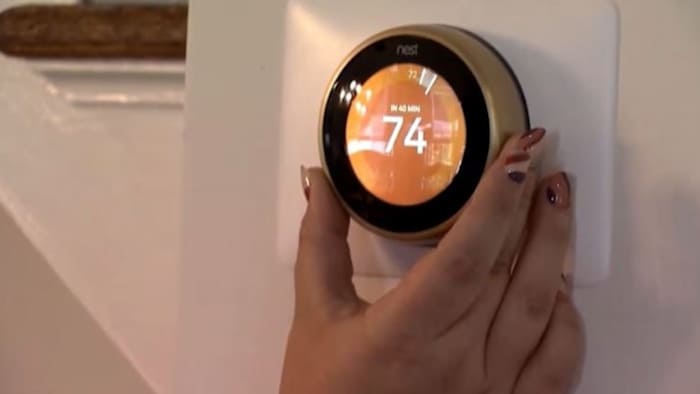
A blast of Arctic air tearing through Central Florida isn't just a rare weather event; it's a stark reminder of our vulnerability to rising energy costs, even in a state synonymous with warmth. As thermometers plummet and inland counties face subfreezing temperatures, FPL, a major utility provider, has stepped forward with what they tout as 'cost-effective' heating advice. But beneath the surface of these seemingly benign tips, there's a current of concern for the average Floridian, navigating unexpected cold alongside persistent utility bill anxieties.
Key Takeaways for the Frozen Floridian:
-
The 'Magic' Number 68: FPL recommends setting thermostats to 68°F, claiming a 5% saving for every degree below. But for many, this feels less like comfort and more like a concession.
-
Auxiliary Heating's Hidden Sting: Raising your thermostat too quickly can trigger expensive auxiliary heating, potentially adding $15 a day – a significant unforeseen cost.
-
Basic Fixes, Big Impact: Sealing drafts, opening blinds, and using blankets are simple, common-sense measures that FPL encourages, but also highlight fundamental home efficiency issues.
-
Safety First: Space heaters are powerful but demand strict safety protocols to avoid fire hazards, especially crucial in unfamiliar cold conditions.
The 68-Degree Conundrum: Comfort vs. Cost-Saving
FPL's primary directive is clear: set your thermostat to 68°F. The utility claims that every degree below this threshold can save customers 5% on heating costs. On its face, this sounds like solid financial advice. However, for many Floridians, accustomed to air conditioning nearly year-round, 68 degrees in winter feels less like 'cost-effective' comfort and more like a compromise. The truth is, 68°F is a common recommendation for energy efficiency, but it places the immediate burden of discomfort squarely on the consumer. Is this truly a 'tip' for saving, or is it a baseline standard that utilities find convenient for managing peak demand?
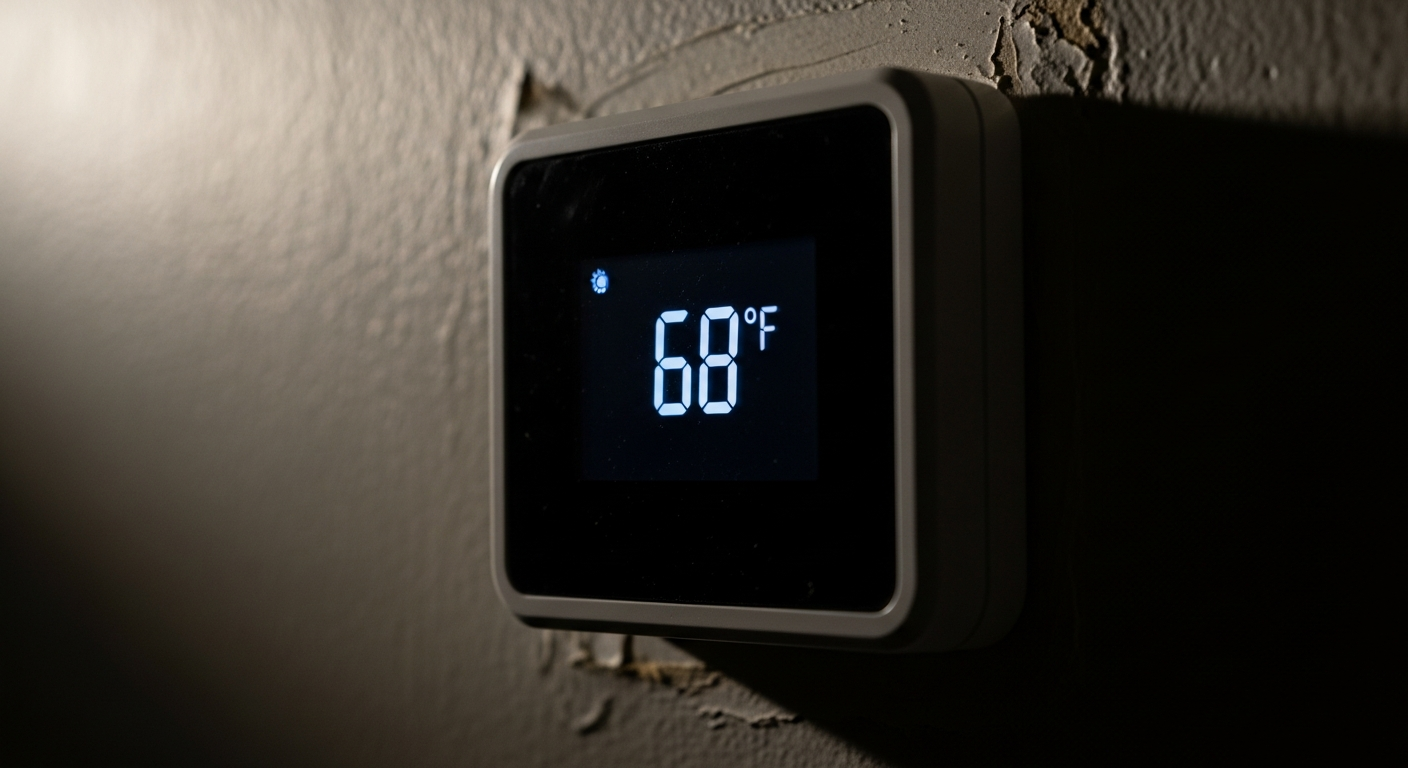
While 5% savings per degree sounds substantial, consider the context: many homes in Florida are not built with robust insulation or heating systems in mind. This means achieving and maintaining 68°F might still require significant energy, especially during prolonged cold snaps. The suggestion, while technically sound for energy conservation, subtly shifts the responsibility for high bills from infrastructure and supply management to individual household behavior.
The Auxiliary Heating Trap: An Unseen Drain on Wallets
Perhaps the most crucial, and often overlooked, piece of FPL's advice concerns auxiliary heating. The utility warns against raising the thermostat by more than two degrees at a time, stating that doing so can activate a system's auxiliary heating. This is where the 'cost-effective' claims meet a harsh reality: auxiliary heating, if used for over 12 hours a day, can add up to an astonishing $15 per day to a bill. For a multi-day cold front, this easily translates to hundreds of dollars in unexpected costs.
This isn't just a 'tip'; it's a critical financial warning. Why isn't this information more prominently displayed or frequently communicated? Many Floridians, unfamiliar with extensive heating use, might inadvertently fall into this trap, seeing their bills skyrocket despite their best efforts to 'save.' The existence of such an expensive default mode in common heating systems, without clearer consumer education, raises questions about the transparency of energy costs. Is it fair to place the onus of understanding complex HVAC system nuances on the average homeowner when utility providers possess this critical data?
Beyond the Thermostat: Practicalities and Oversight
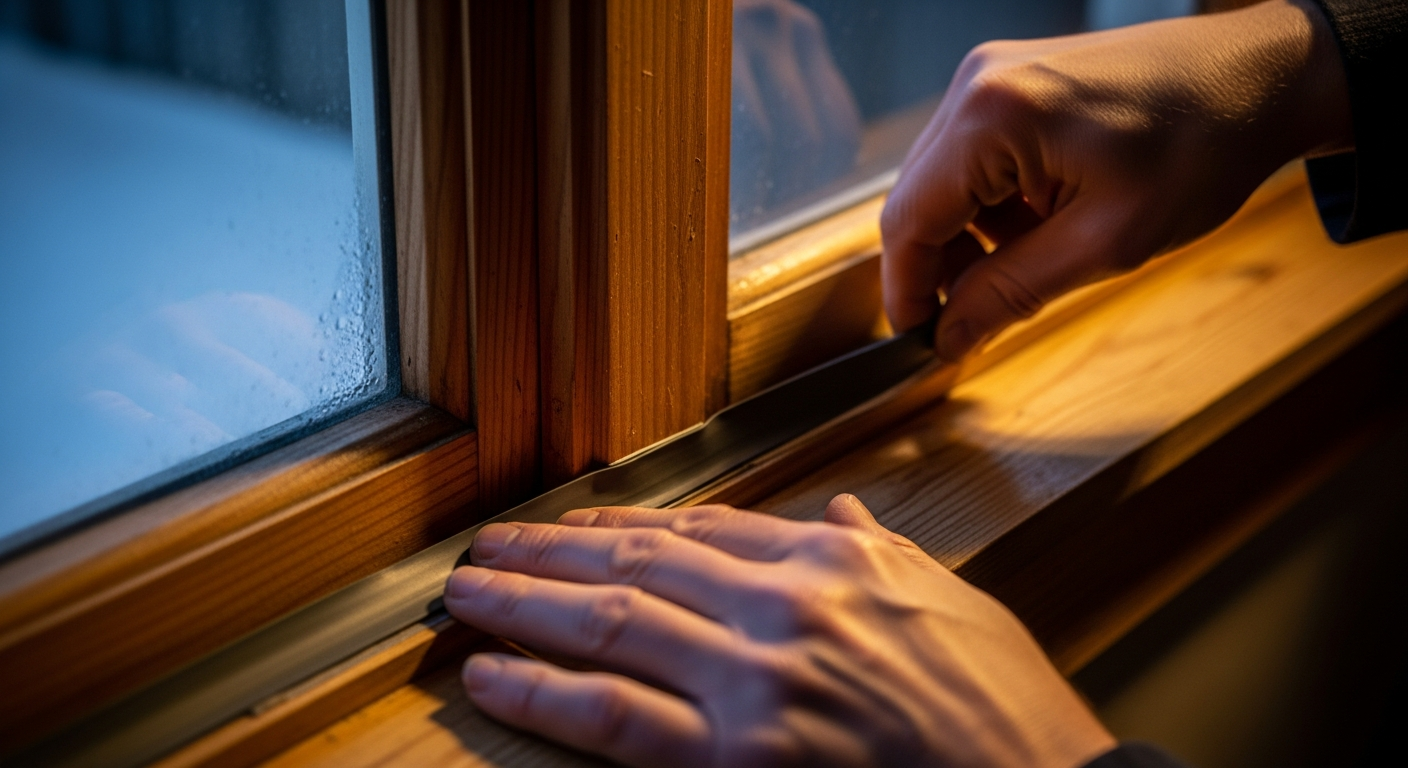
FPL also offers more intuitive advice: use electric blankets, seal out the cold by repairing door and window seals, and leverage sunshine by opening blinds during the day. These are fundamental, almost common-sense measures. Yet, their inclusion highlights a deeper issue: the basic energy efficiency of many Florida homes. If consumers are still being advised to seal cracks and open blinds, it suggests that foundational energy infrastructure and home construction standards could be improved to better withstand such climatic shifts.
Space heaters are another double-edged sword. While they offer targeted warmth, FPL correctly stresses safety: use models with thermostats and timers, keep them away from flammables, and turn them off when leaving a room. For maximum efficiency, use them in well-insulated rooms – a caveat that again points to the variable quality of home insulation across the state. The reliance on individual appliances for basic warmth, rather than robust central heating, underscores a systemic adaptation challenge for Florida's energy landscape.
Public Sentiment: A Chill Beyond the Forecast
Across social media and community forums, the sentiment among Floridians facing this cold snap, coupled with FPL's advice, is a mix of resignation, skepticism, and frustration.
-
"68 degrees? That's still too cold for Florida. They want us to freeze to save them money," wrote one resident on a local Facebook group.
-
Another commented, "FPL's 'tips' sound like common sense, but they don't solve the fact that our energy bills are always too high, cold or not. It's on us to adapt, not on them to provide affordable energy."
-
"The auxiliary heat warning is huge – why don't they plaster that everywhere? I almost certainly would've done that, just trying to get warm," shared a homeowner, expressing genuine concern.
The underlying current is a feeling that while the advice is technically correct, it places the burden of adaptation and cost-cutting firmly on the consumer, rather than addressing the larger systemic issues of energy pricing and infrastructure resilience in an increasingly unpredictable climate.
Conclusion: The Real Cost of 'Cost-Effective' Advice
As Florida shivers through this rare cold snap, FPL's energy-saving tips serve as a timely, if sometimes uncomfortably basic, guide for homeowners. They offer a roadmap to mitigate immediate financial shocks. Yet, an investigative lens reveals that these 'tips' also lay bare the vulnerabilities of Florida's energy consumption model. They highlight the need for improved home energy efficiency, clearer communication about hidden costs like auxiliary heating, and a deeper conversation about who ultimately bears the responsibility for managing energy costs in a state facing evolving climate challenges. It's not just about setting a thermostat; it's about ensuring truly affordable and sustainable comfort for all Floridians, without compromising warmth for the sake of a utility's bottom line.