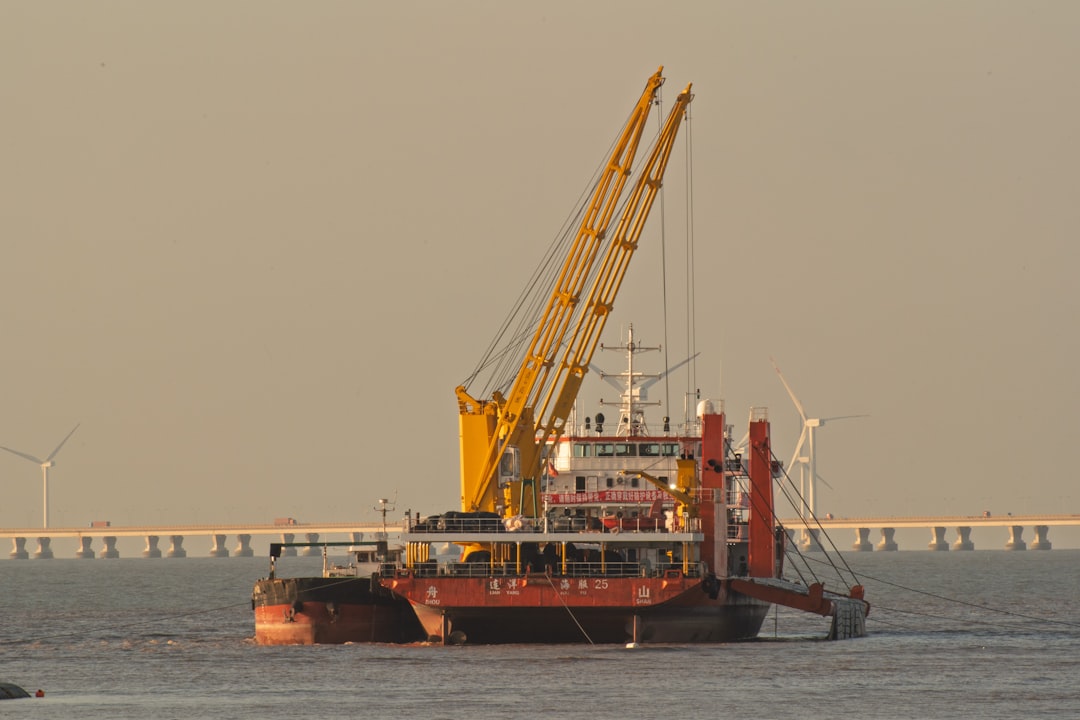
The U.S. East Coast is once again a hive of activity for offshore wind development, but this resurgence comes after a period of stifling delay directly attributable to the previous presidential administration. Three critical offshore wind projects, poised to deliver clean energy and fortify the nation's aging grid, were effectively put on ice by the Department of the Interior (DOI) through what federal judges have now deemed improper and arbitrary actions.
Key Takeaways:
-
Judicial Intervention: Federal judges have rebuked the Trump administration's Department of the Interior for actions that stalled offshore wind projects.
-
Project Resumption: Three major East Coast offshore wind projects are now back on track after significant delays.
-
Impact on Grid Modernization: The delays directly hampered efforts to enhance grid stability and integrate more renewable energy sources.
-
Economic Consequences: Stalling these projects incurred substantial economic costs, including lost jobs, deferred investment, and uncertainty for developers.
-
Political Obstruction: The rulings underscore a pattern of administrative interference perceived as politically motivated against renewable energy.
-
Precedent Set: These legal victories establish a crucial precedent for protecting renewable energy projects from future political obstruction.
The Administrative Roadblock: A Manufactured Standoff
During the Trump presidency, the Department of the Interior, particularly its Bureau of Ocean Energy Management (BOEM), adopted an increasingly hostile posture towards offshore wind initiatives. What should have been routine permitting and environmental review processes became drawn-out sagas characterized by shifting goalposts, sudden pauses, and opaque decision-making. Developers and industry observers alike reported a palpable sense that the administration was actively seeking reasons to slow, if not entirely halt, these projects.
For instance, environmental reviews were expanded, re-expanded, and subjected to unforeseen complications, often without clear scientific or regulatory justification. This wasn't merely due diligence; it was an administrative dragnet, designed to exhaust resources and patience. The official narrative often cited concerns about fishing interests or environmental impact, yet critics argued these concerns were disproportionately amplified and selectively applied, especially when compared to the expedited approvals granted to fossil fuel projects.
This pattern of obstruction created immense uncertainty. Investors hesitated, supply chains faltered, and skilled workers remained in limbo. The U.S., which possesses some of the best offshore wind resources globally, found itself falling behind European counterparts due to self-imposed administrative hurdles. The economic cost of this deliberate delay is immeasurable, impacting job creation in manufacturing, construction, and related services, while also pushing back the timeline for crucial grid upgrades.
Judicial Intervention: Untangling the Red Tape
The recent rulings from federal courts represent a necessary, albeit delayed, course correction. Judges found that the DOI's actions—or inactions—were often arbitrary, capricious, and lacked a solid legal or factual basis. In essence, the courts called out the administration for exceeding its authority and for using regulatory processes not to govern, but to obstruct.
For the three East Coast projects now resuming construction, these rulings are a lifeline. They validate the developers' adherence to established procedures and affirm the necessity of a stable, predictable regulatory environment for large-scale infrastructure. The judiciary, acting as a crucial check on executive overreach, has reminded the federal government that environmental regulations and permitting processes are intended to facilitate responsible development, not to serve as instruments of political ideology.

The implications extend beyond these specific projects. The judicial rebukes send a strong signal to future administrations: weaponizing regulatory bodies to impede legally sanctioned projects will not stand. This is a critical win for the rule of law and for the burgeoning renewable energy sector, which desperately needs consistent policy signals to attract the massive investment required for a clean energy transition.
Public Sentiment: A Mix of Frustration and Relief
The public response to these developments is a blend of exasperated relief and renewed hope. Many energy advocates and environmental groups have long voiced frustration over the perceived political sabotage of renewable projects.
-
“It felt like we were running in quicksand. Every step forward was met with three steps back by the federal government. This ruling is a breath of fresh air.” – Local environmental advocate
-
“Jobs were on hold, investments were uncertain. You can’t build an industry if the goalposts keep moving due to politics.” – Labor union representative
-
“Finally, some common sense from the courts. We need clean energy, and we need our grid updated. Political games just hurt everyone.” – Concerned citizen
However, some who had raised concerns about project siting or environmental impact—concerns that were often amplified by the previous administration—continue to advocate for thorough review, albeit within a transparent and non-obstructive framework. The challenge moving forward will be to balance legitimate stakeholder concerns with the urgent need for rapid clean energy deployment.
Conclusion: A Costly Detour, A Clear Path Forward
The story of offshore wind under the Trump administration is a cautionary tale of how political will, or the lack thereof, can derail vital progress. The delays were not merely bureaucratic; they were a significant impediment to modernizing America's energy infrastructure, creating green jobs, and combating climate change. The judicial system's intervention, while welcome, underscores the high price paid for such politically motivated obstruction.
As these projects move forward, they carry the weight of lost time and the lesson that sustained, predictable policy — free from partisan meddling — is essential for the nation's energy security and environmental health. The path ahead for offshore wind is clearer, but the scars of the past administration's resistance remain a stark reminder of the fragile balance between political power and public good.