Key Takeaways:
-
Unprecedented Demand: AI data centers are projected to consume up to 12% of US electricity by 2028, overwhelming current infrastructure.
-
Household Burden: Residential electricity rates are spiking, with costs near data centers rising by as much as 267% in five years.
-
Systemic Failure: Government and grid operators lack coordination, leading to a piecemeal, reactive approach to a national crisis.
-
Resource Depletion: Beyond electricity, these centers demand vast amounts of water for cooling, exacerbating existing scarcity.
-
Urgent Reckoning: Robust policy and accountability are critically needed to prevent the AI boom from destabilizing energy markets and widening the chasm between corporate profit and public well-being.
The Unchecked Appetite of AI
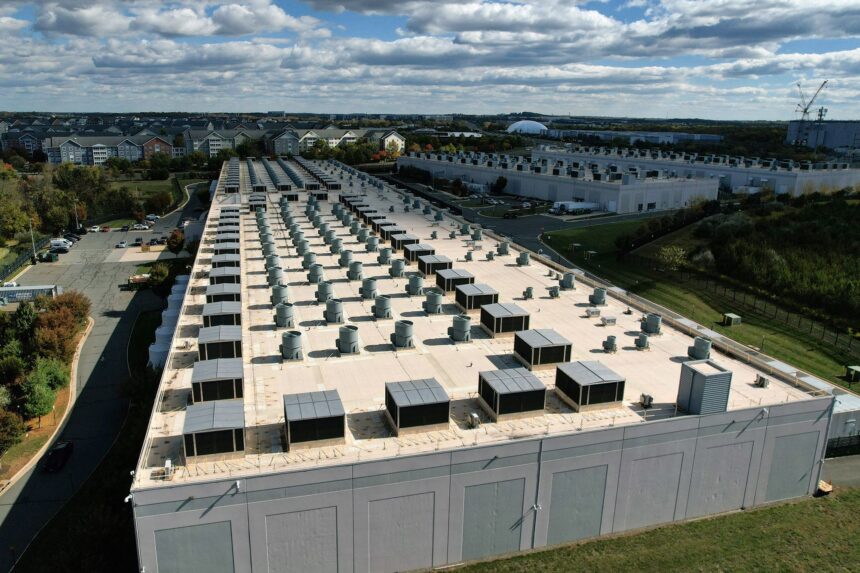
The digital gold rush for AI dominance has transformed into an energy black hole. Tech behemoths like Meta, Microsoft, and Amazon are pouring tens of billions into new data centers, establishing massive digital factories that power our future but drain our present. Virginia, with the world's largest data center cluster, exemplifies this unbridled expansion, now pushing into remote locales due to stressed grids. These staggering investments—Meta reporting $17 billion, Microsoft $24.2 billion, Amazon committing $26 billion—reflect a singular focus on expansion without commensurate plans for sustainable energy sourcing. The Department of Energy projects data centers will consume between 6.7% and 12% of US electricity by 2028, a dramatic jump from 4.4% in 2023, signaling an infrastructural challenge of epic proportions.
The Grid Under Siege
America's electrical grid, a relic of the mid-20th century, is buckling under this digital onslaught. It lacks the resilience and capacity to absorb such a sudden, massive surge in demand. PJM, the nation's largest grid operator, is at the epicenter. The Trump administration and northeastern governors appealed to PJM for an emergency power auction to force tech giants to internalize surging costs. PJM’s admission of not receiving "advance notice" speaks volumes about the alarming lack of high-level coordination. Consequences for citizens are clear: residential electricity rates surged 5.2% in October 2024. Costs near data centers skyrocketed by as much as 267% in five years. Ryan Hledik of Brattle Group confirms the data center boom is a primary driver, with few systemic solutions emerging.
Who Pays the Price? You Do.
This narrative turns to economic injustice. While tech giants amass unprecedented wealth, average American households largely foot the bill for infrastructure upgrades and increased generation. States like Ohio exacerbate the problem by offering sales tax exemptions, effectively subsidizing these investments with public funds, only for the public to then pay higher utility rates. The distribution system, already burdened by "more expensive investments following the pandemic supply shock," further amplifies this financial strain, as Hledik explains. Infrastructure meant to serve all is being stretched to breaking point by a select few, with costs shamefully socialized.
Beyond Electricity: The Water Crisis
Resource demands extend far beyond electricity. These complex systems require significant water for cooling, a fact often overlooked. McKinsey’s report projects an alarming 170% increase in water demand by 2030 from these facilities. This doesn't account for additional water needed by supporting thermal plants. In an era of escalating water scarcity, this creates another critical layer of environmental and social concern. The unchecked pursuit of AI dominance is not just an energy crisis; it’s a potential water crisis too.
A Patchwork Response: Inadequate Solutions
The current response is, at best, a patchwork of isolated efforts. Some utility companies introduce new rates for large customers; Oregon passed legislation requiring data centers to "pay for the actual strain." Even Microsoft offers to pay higher bills. While commendable, these are individual acts lacking the overarching strategic vision and unified regulatory framework required. The absence of a coordinated federal strategy, coupled with slow grid modernization, leaves the US vulnerable.
Public Sentiment
Brattle Group's Ryan Hledik incisively questions if "data centers and American families can coexist in harmony." He challenges us to "create the conditions so that everyone is a winner... not a case where you have some winners and then the local community." This captures the growing public unease: an understanding that technological advancement must not come at the cost of basic quality of life and economic stability for everyday citizens. The current trajectory suggests a stark imbalance, fostering resentment among communities.
Conclusion
The AI boom is not merely an economic expansion; it is a profound societal transformation with tangible, often negative, impacts. The "Rusty Tablet" believes the current laissez-faire approach to managing data center demands is unsustainable and morally questionable. It is imperative that federal and state governments, grid operators, and—most importantly—the tech giants themselves, commit to a comprehensive, integrated strategy. This must prioritize grid modernization, transparent cost allocation, and sustainable resource management, ensuring that the promise of AI doesn't leave American families in the dark, or dry. The time for reactive measures is over; we need proactive leadership to avert a looming crisis and ensure a future where innovation serves all, not just a privileged few.