Key Takeaways:
-
Near-Universal Blight: A staggering 98.8% of Wales' A and B roads are now officially designated as "litter-present zones."
-
Smoking Gun (and Butt): Cigarette butts dominate the roadside detritus, found on 88.1% of main thoroughfares, cementing their status as the preferred, if miniature, symbol of casual environmental disregard.
-
Convenience Culture's Cost: 'On-the-go' food and drink packaging — from sweet wrappers to fast-food containers — accounts for the bulk of non-smoking litter, turning scenic routes into an unintentional archaeological dig for future civilizations.
-
The Price of Indifference: Beyond the aesthetic damage, roadside litter poses significant threats to wildlife, pollutes waterways, and carries a hefty, often unmentioned, cleanup bill for the public purse.
The Scourge of Convenience: A Modern Archaeology
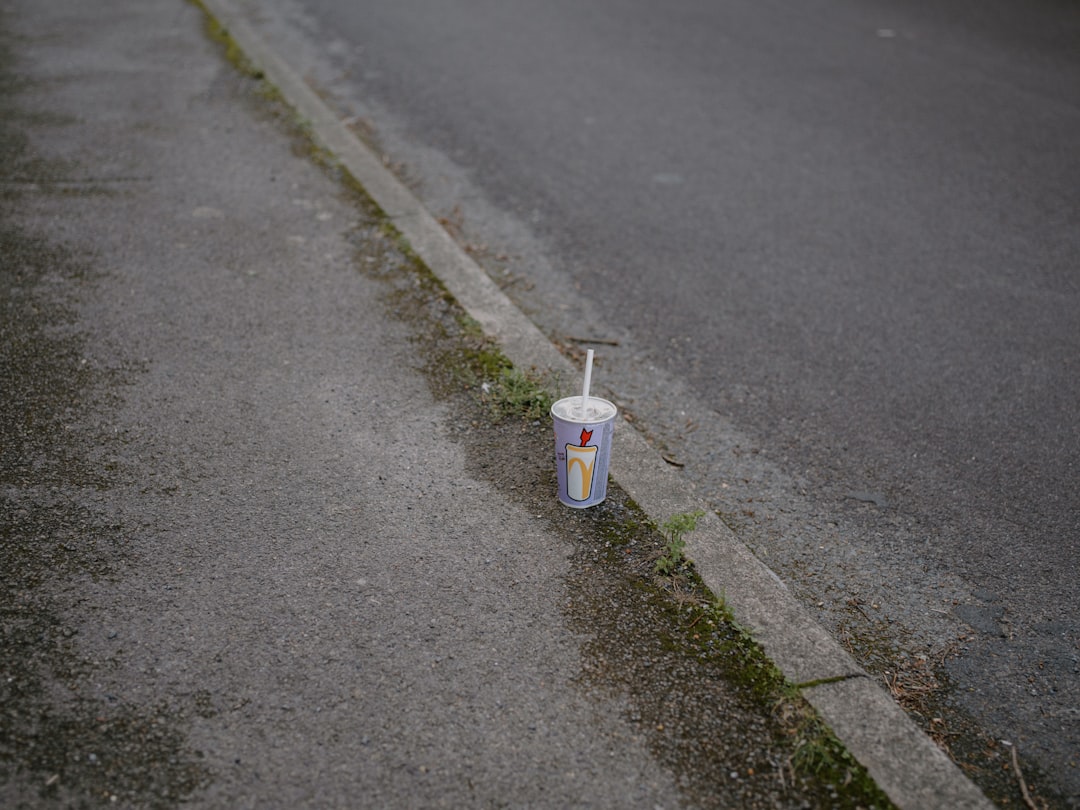
The year is 2025, and future historians of Wales, should they embark on a roadside dig, will find themselves inundated with 21st-century artifacts. Keep Wales Tidy's surveys show our 'on-the-go' lifestyle has left an indelible, often sticky, mark. Confectionary packaging graces 80.7% of main roads, drinks litter claims 72.1%, and fast-food packaging holds a respectable 67%.
This data paints a vivid picture of a society so perpetually in motion, so tied to instant gratification, that the journey from purchase to casual discard is seamless. Why bother with a bin when the open road offers immediate, aerodynamic relief? It's a testament to human ingenuity – how quickly we've adapted our landscapes as extensions of our personal rubbish bins.
A Butt of All Jokes (and Scorn)
While sugary delights and savory wrappers vie for dominance, the undisputed champion of widespread litter remains the humble, persistent cigarette butt. Present on a staggering 88.1% of main roads, these miniature monuments to fleeting pleasure are flicked with an ease that belies their impact. One might almost admire the dedication of smokers ensuring every mile of Welsh tarmac receives its share of this fibrous, nicotine-infused blessing. It’s a democratization of pollution, where every passenger contributes a smouldering token. The ease of the flick, the satisfying arc, the immediate disappearance – a performance art in miniature, millions of times a day.
The Unseen Costs: Beyond the Aesthetic
Beyond obvious aesthetic degradation – verdant verges becoming ad-hoc landfill extensions – the true cost of roadside litter is insidious. This isn't just about less Instagrammable selfies. We're talking genuine threats to Welsh wildlife, where a crisp packet becomes a deadly trap. We're discussing waterway pollution, as rainwater washes toxins from plastic and butts into streams, ultimately reaching the sea.
And then there's the financial burden. Cleaning up this collective act of forgetfulness is not a pleasant pastime; it's a dangerous, expensive undertaking, funded by taxpayers whose neighbors enthusiastically contribute. Owen Derbyshire, Keep Wales Tidy Chief Executive, articulated this exasperation: "Loving Wales is basically in my job description, but even I feel embarrassed...There is simply no excuse for throwing litter from a vehicle." His sentiment, while admirable, seems quaint in a world where "excuse" is "convenience."
The 'Love Wales' Paradox and Personal Responsibility
Mr. Derbyshire's heartfelt declaration of love for Wales, deeply embedded in his job description, highlights a fascinating paradox. How can one simultaneously 'love' a nation and yet casually defile its public spaces? It appears a form of abstract, philosophical love, divorced from the mundane reality of plastic bottles. His plea for motorists to "take responsibility" and "drive your litter home" is refreshingly direct, if slightly optimistic. It suggests simple awareness and self-discipline can overcome decades of ingrained habits. The notion that "Litter in your vehicle belongs to you" is revolutionary for some, apparently.
Public Sentiment (Synthesized Quotes):
-
"Campaign? Quaint. Those bins are decorative. Anyway, it's just paper."
-
"Car's too small. Council cleans it; job creation, really."
-
"Love Wales, but one wrapper? It'll biodegrade... eventually."
-
"Drive it home? Too much effort after a long day."
Conclusion:
As Wales grapples with its latest crisis – a relentless tide of confectionary, caffeine, and carcinogen byproducts – the "drive your litter home" campaign stands as a beacon of understated hope. It's a gentle reminder that our collective commitment to convenience has tangible, unsightly, and surprisingly expensive consequences. Perhaps, with enough public service announcements, we might reclaim our roadsides from discarded plastic. Or perhaps, we'll just continue to marvel at our own collective indifference, one sweet wrapper at a time. After all, a truly clean roadside would leave future archaeologists with less to puzzle over, and where's the fun in that?