Key Takeaways
-
Ecological Imperative: Denmark's Gladsaxe municipality is replacing standard streetlights with red-toned lighting to protect local bat colonies.
-
Scientific Basis: Bats are highly sensitive to short-wavelength light (blue, green, white), which disrupts their navigation, feeding, and movement patterns. Red light is less disruptive.
-
Pilot Project, Global Implications: While localized, the experiment has drawn international attention, highlighting a broader shift towards integrating wildlife conservation into urban planning.
-
Sustainability Focus: This initiative aligns with wider sustainability goals, emphasizing a more thoughtful, less intrusive approach to city infrastructure.
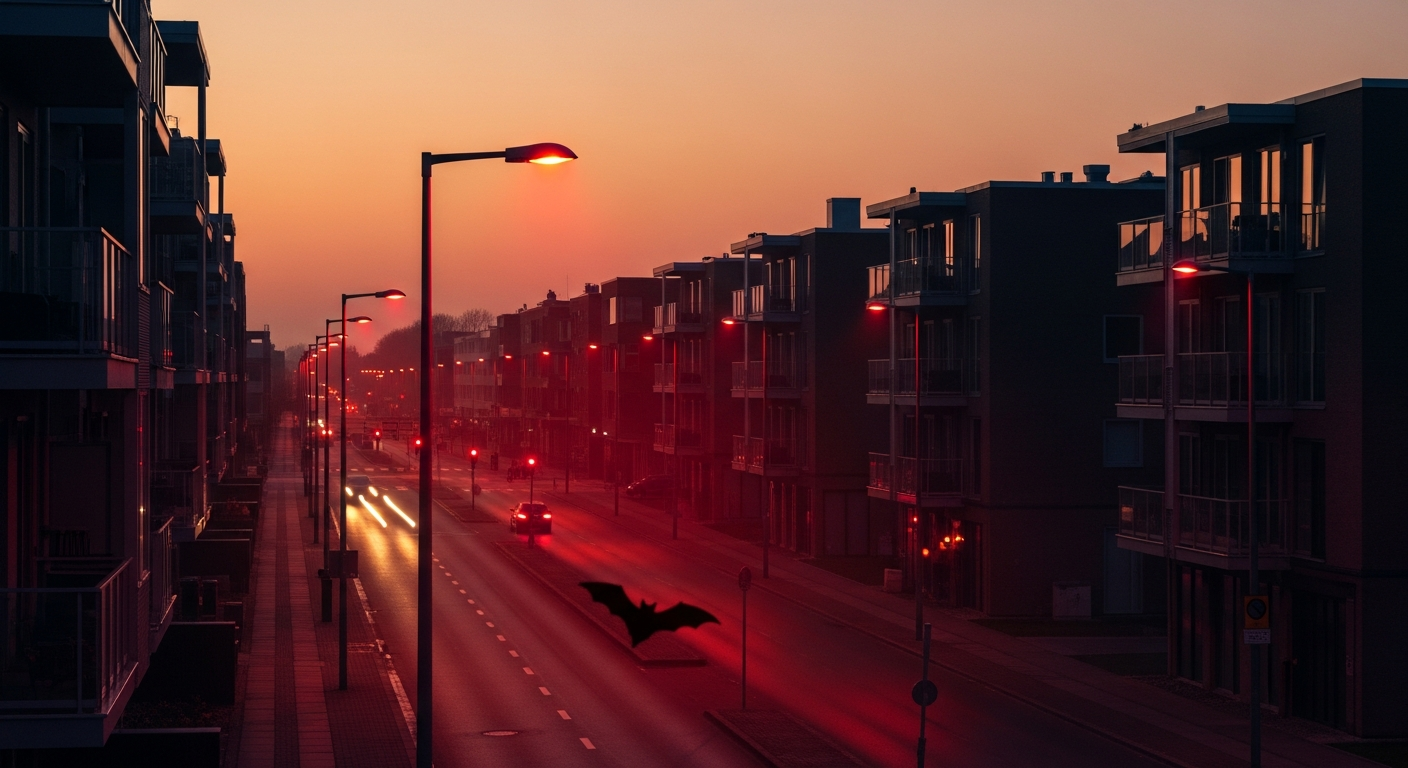
The nocturnal ballet of bats navigating our urban landscapes is a delicate one, often interrupted by the stark glare of artificial light. In a quiet suburb near Copenhagen, Denmark is orchestrating a subtle yet revolutionary shift, painting parts of its night-time streets in a soft, ecological red. This isn't a design quirk but a deliberate, scientifically-backed experiment to create urban spaces that coexist more harmoniously with nature.
The Danish Experiment: A Red Glow for Wildlife
In Gladsaxe, on the outskirts of Copenhagen, the familiar white lamps illuminating stretches of Frederiksborgvej are being systematically replaced. The new fixtures emit a distinct red glow, a departure from the conventional bright lighting schemes that have long dominated urban planning. This small-scale pilot project, while limited to specific roads and visible only at night, carries significant intent: to reduce harm to wildlife, particularly a local bat colony, while maintaining essential visibility for human residents.

Officials from the Gladsaxe municipality have underlined that this isn't about dimming the lights, but rather about changing their spectral composition. Urban lighting, traditionally prioritising human visibility and safety, has rarely accounted for its ecological consequences. Denmark's move reflects a growing global introspection on this oversight, integrating local research, environmental conditions, and broader sustainability ambitions into practical urban design.
Understanding the Bat Conundrum: Science Behind the Shift
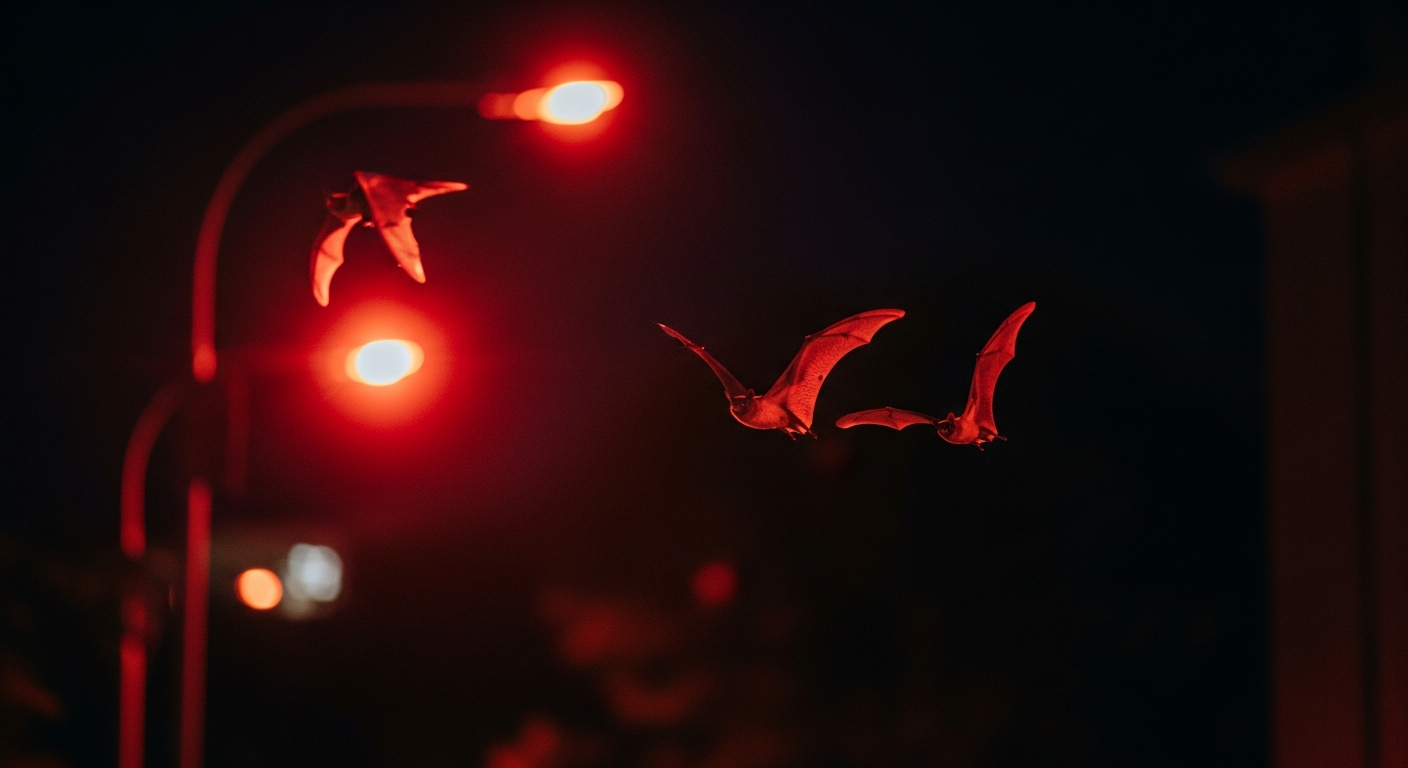
The central figures influencing this lighting decision are bats. Numerous studies have elucidated the profound impact of artificial light on bat behaviour. Light containing short wavelengths – such as blue, green, or even white light, which contains these wavelengths – has been shown to disorient bats, disrupt their foraging patterns, and impede their navigation. For nocturnal creatures that rely on echolocation and natural darkness, pervasive artificial light can be a significant threat to their survival and reproductive success.
Red light, positioned at the longer end of the visible light spectrum, has been found to be significantly less disruptive to bats. By choosing red-toned lighting, Gladsaxe aims to alter the light's interaction with the environment in a way that minimises negative ecological effects without plunging areas into complete darkness. This nuanced approach acknowledges that eliminating all light might not be feasible for urban safety, but that the kind of light can be thoughtfully managed.
Beyond the Bats: Broader Implications for Urban Planning
The Gladsaxe experiment, while focused on bats, carries implications far beyond its immediate locale and species. It serves as a microcosm for a larger, global challenge: how do cities expand and evolve without overwhelming their surrounding natural environments? As urbanisation continues its relentless march, integrating ecological considerations into infrastructure development becomes not just an ideal, but an imperative. This project signals a potential paradigm shift in how urban planners approach lighting, moving from a purely anthropocentric view to one that acknowledges and accommodates biodiversity.
Cities worldwide grapple with similar questions regarding light pollution, its impact on migratory birds, insect populations, and even human circadian rhythms. Denmark's red light initiative provides a tangible case study, offering valuable insights into the practical application of eco-conscious urban design and paving the way for other municipalities to explore similar innovative solutions.
Challenges and Contemplations
Implementing such a change is not without its challenges. Public perception, for instance, plays a crucial role. While the intention is noble, the novelty of red streetlights might initially evoke curiosity or even scepticism among residents. Questions about the perceived safety, aesthetic appeal, and long-term effectiveness of such lighting will naturally arise. Furthermore, the scalability and cost implications for larger cities implementing similar changes remain considerations. However, the deliberateness of Gladsaxe's approach – beginning with a limited, controlled experiment – allows for careful monitoring and adaptation, providing a template for future expansions.
Conclusion
Denmark's red streetlights project is more than just an innovative urban lighting scheme; it is a potent symbol of a maturing environmental consciousness in urban planning. It underscores a willingness to move beyond conventional solutions and to invest in interventions that prioritise the delicate balance between human progress and ecological preservation. As the global conversation around sustainable cities intensifies, the red glow of Gladsaxe could well illuminate the path forward for urban environments seeking to truly thrive alongside nature.