
The echoes of fear resonate through West Singhbhum district, Jharkhand, as local communities grapple with an unprecedented wave of aggression from a single-tusked elephant. Since the dawn of 2026, this powerful animal has been responsible for the deaths of 22 individuals, primarily in the forests and villages, prompting a large-scale search operation and a deepening crisis for residents. The frequency and intensity of these attacks are strikingly unusual, leading forest officials to believe the elephant may be experiencing heightened aggression.
The Trail of Devastation
Beginning its rampage in early January, the single-tusked elephant has targeted vulnerable individuals and caused significant property damage. One particularly grim incident on January 12, 2026, saw the elephant attack a village near Manoharpur, resulting in three fatalities and the destruction of multiple homes. Downtoearth.org.in reported on the escalating nature of these encounters, highlighting the growing peril faced by those living in proximity to the forest.
This pattern of aggression has not only instilled deep fear but also presented severe operational challenges for authorities. The elephant's unpredictable movements across dense forest cover and hilly terrain make tracking and potential tranquilization exceptionally difficult. The Jharkhand Forest Department has deployed dedicated teams, but the vast, challenging landscape consistently hinders their efforts.

Root Causes: A Collision of Worlds
West Singhbhum district, renowned for its extensive forests and significant elephant population, is no stranger to human-elephant conflict. However, the current situation represents a critical escalation. The underlying causes are complex, primarily stemming from habitat loss and increasing competition for resources. As human settlements expand and forest areas shrink or become fragmented, the natural corridors and foraging grounds for elephants diminish, forcing them into closer, often violent, contact with human populations.
According to the 2022 Elephant Census, Jharkhand is home to an estimated 6,800 elephants, a number that underscores the inherent challenge of co-existence in a rapidly developing region. The Press Information Bureau detailed these census findings, painting a picture of a state with a significant wild elephant presence that must constantly navigate human encroachment.
Government's Response and the Path Forward
Recognizing the severity of the crisis, the Jharkhand State Government is working closely with local forest departments to mitigate the conflict. On January 13, 2026, the government announced the formation of a special task force specifically dedicated to addressing human-elephant conflict in West Singhbhum. This declaration, covered by Livemint, signals a heightened commitment to protecting both human lives and wildlife.
Beyond tracking and intervention, authorities are focused on raising awareness among local communities about safety precautions. Furthermore, compensation schemes have been put in place to support families who have lost loved ones or suffered property damage, providing a crucial safety net in these dire times.
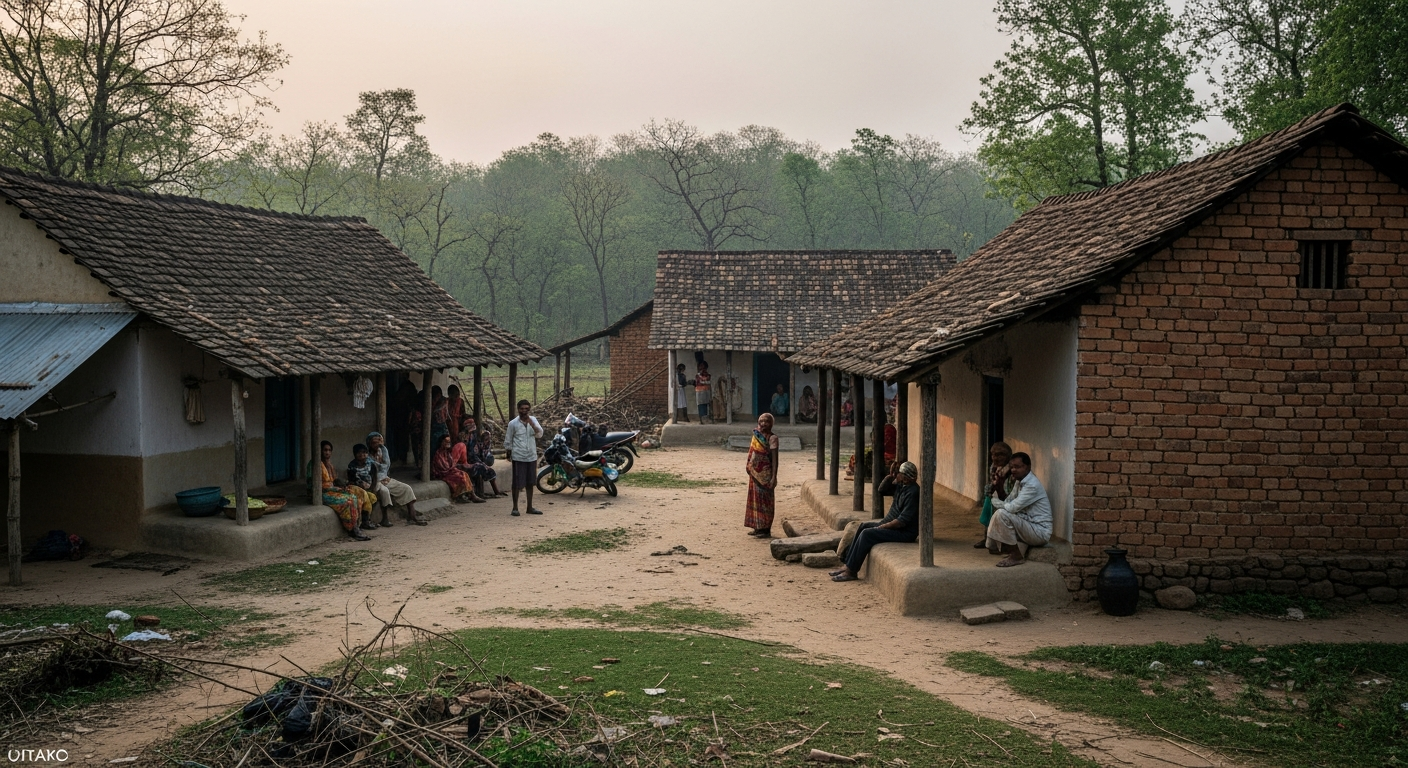
The ultimate goal remains to find a sustainable balance. While immediate measures focus on containing the threat posed by this particular elephant, the long-term strategy must involve habitat preservation, community engagement, and innovative solutions to ensure both humans and elephants can thrive without such devastating conflict.
Key Takeaways
-
Unprecedented Threat: A single-tusked elephant has caused 22 deaths in West Singhbhum, Jharkhand, since January 2026, creating immense fear.
-
Complex Terrain: The region's dense forests and hilly terrain make tracking and managing the elephant extremely challenging for forest officials.
-
Rooted in Conflict: The crisis is a stark reminder of the broader human-elephant conflict, driven by habitat loss and resource scarcity in elephant-rich areas.
-
Government Action: The Jharkhand State Government has formed a special task force and implemented compensation schemes to address the immediate crisis and support affected communities.
-
Long-Term Vision: Sustainable solutions involving habitat preservation and community awareness are crucial for future co-existence.