
The Dim Reality of Solar Garden Lights: A Critical Look at Greenwashed Consumerism
Key Takeaways:
-
Most consumer-grade solar lights are designed for rapid failure, not longevity.
-
Their short lifespan contributes significantly to plastic and electronic waste, including microplastics.
-
The 'green' marketing often masks an unsustainable cycle of consumption and disposal.
-
Individual innovation (DIY projects) highlights the potential for durable, reliable solar technology that commercial markets largely ignore.
-
Unreliable solar products pose a danger when applied to critical applications, demonstrating a critical failure in product integrity.
The Mirage of 'Green' Savings
For years, the humble solar garden light has been peddled as an affordable, eco-conscious way to illuminate patios and pathways. No wiring, no electricity bills—just the sun's clean energy captured and released after dusk. It's a compelling narrative, one that has driven countless consumers to adorn their properties with these seemingly benign devices. However, the reality is far from the idyllic vision of sustainable living. "Most solar lights are cheap garbage that exist just to put more microplastics into the environment as they degrade in short order," a sentiment echoed by many who've watched their latest purchase fade into obsolescence within months. The initial savings are quickly negated by the need for constant replacement, transforming a perceived eco-friendly choice into a continuous drain on both finances and environmental resources.
Engineered Obsolescence and the Microplastic Tide
The fundamental problem lies in the manufacturing philosophy. These devices are often constructed from the lowest-grade plastics, paired with equally inexpensive batteries and solar cells. They are not built to last; they are built to be bought, to fail, and to be replaced. This strategy, known as planned obsolescence, is a cancer on genuine sustainability efforts. The flimsy plastic housings quickly succumb to UV radiation and weather, cracking and crumbling into countless microplastics that leach into our soil and waterways.
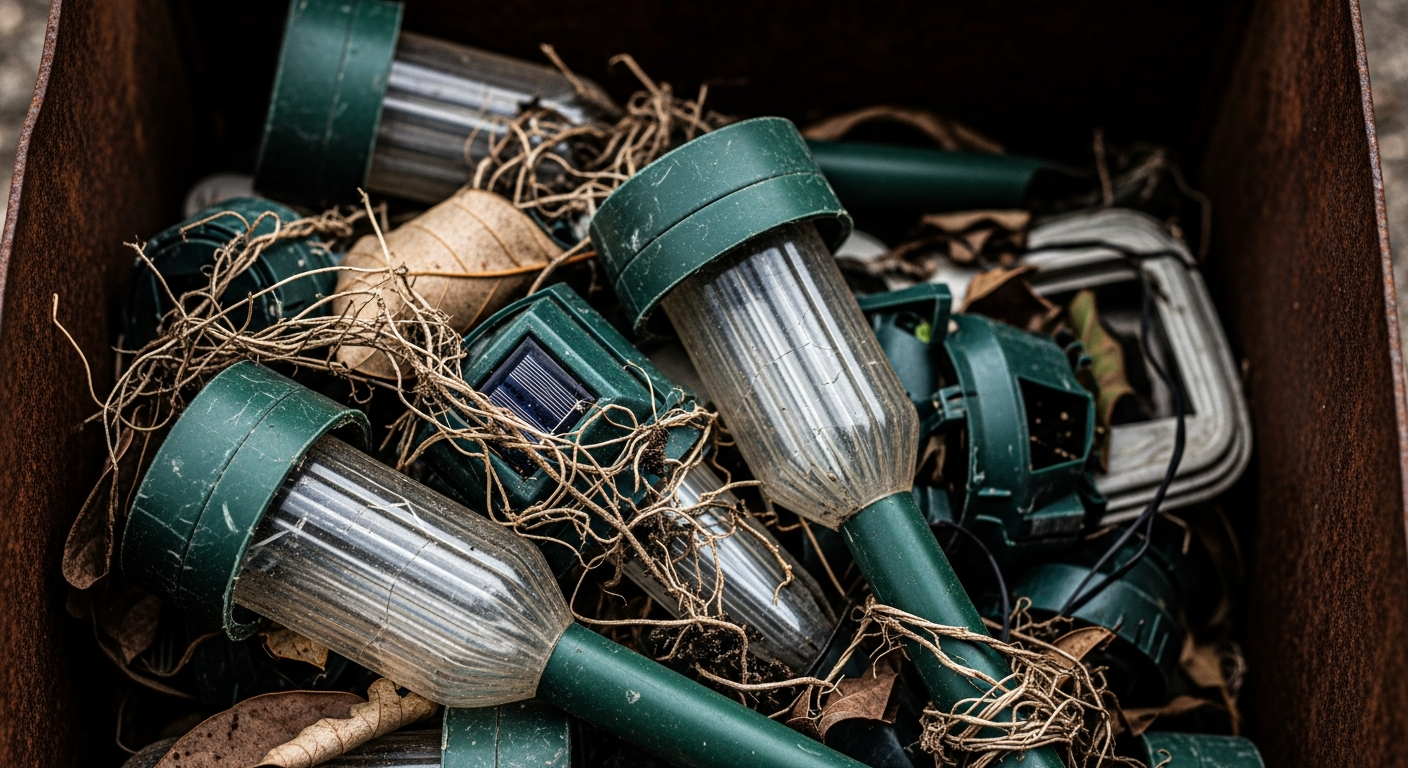
The internal components—cheap nickel-cadmium or nickel-metal hydride batteries prone to memory effect and short lifespans—are often sealed in a manner that defies easy repair or recycling, ensuring their journey to the landfill is swift and final. This isn't just an inconvenience; it's an environmental crime, perpetuating a cycle of waste that masquerades as an ecological benefit.
The DIY Dissent: A Beacon of Hope?
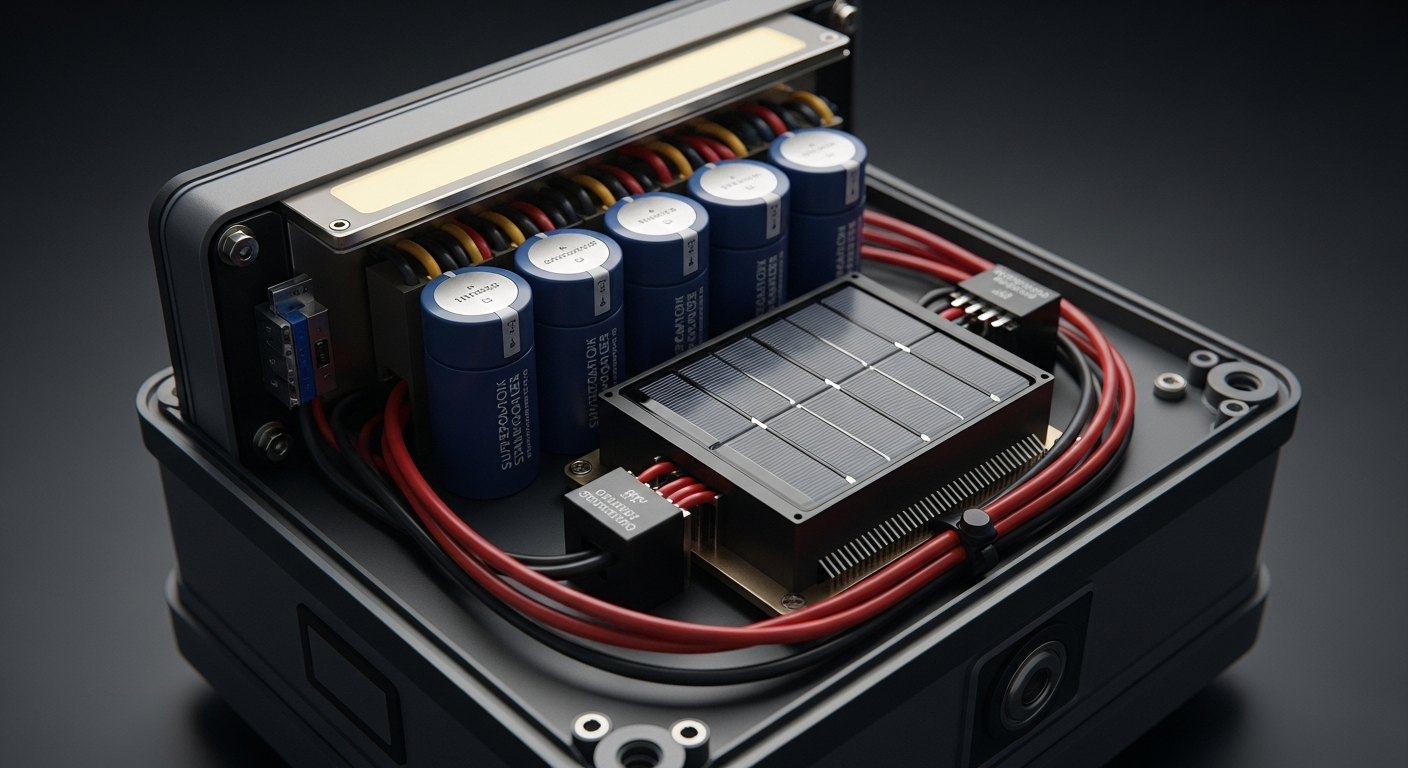
Amidst this deluge of disposable solar tech, individual innovators like Jeremy Cook stand as stark counterpoints. Disillusioned with the market's offerings, Cook didn't just complain; he built his own. His project—a solar supercapacitor lamp—is a testament to what's possible when design prioritizes durability and performance over cost-cutting. By employing supercapacitors instead of traditional batteries, and utilizing robust, repairable construction, Cook demonstrated that a reliable, long-lasting solar light is not an engineering fantasy, but a deliberate choice.
This kind of personal initiative exposes the profound shortcomings of an industry content to churn out environmentally damaging products. If a single individual can craft a superior, more sustainable solution, why does the broader market continue to flood shelves with substandard alternatives? The answer, unfortunately, points to profit margins over planetary health.
Beyond the Garden Path: Real-World Implications
The implications of this pervasive unreliability extend far beyond the aesthetic disappointment of a darkened garden path. The snippet's wry observation that a "Solar Supercapacitor Lamp Probably Won’t Get You Saved At Sea" is a critical one. While Cook's project wasn't explicitly for maritime safety, the underlying principle of a robust, self-sustaining light source is crucial for countless applications where failure is not an option. Imagine solar-powered buoys, emergency beacons, or remote sensors, all relying on the same unreliable technology found in your garden. The very idea is ludicrous and dangerous. The expectation that 'solar' automatically equates to reliable, long-term power is a myth propagated by the consumer market's lowest common denominator. For critical infrastructure, or indeed, for any application demanding genuine dependability, the current commercial offerings are not just inadequate, but potentially hazardous.
Public Sentiment
The frustration over these products is palpable across online forums and customer reviews. "My solar path lights lasted 3 months before one started flickering, and the other just died," laments one commenter, echoing thousands of similar complaints. Another states, "I tried to fix mine, but they're glued shut, impossible to open without destroying them. It's just more junk for the landfill." Many express a desire for more durable options, even at a higher price point. "I'd pay more for a solar light that actually lasts five years instead of five months," a sentiment that underscores a significant disconnect between consumer demand for quality and industry's race to the bottom.
Conclusion
The market for cheap solar garden lights serves as a stark metaphor for the broader challenges of sustainable consumerism. It highlights a critical failure of industry to prioritize environmental stewardship and product longevity over short-term profits. Consumers are left with a choice: perpetuate the cycle of disposable 'green' tech, or demand better. The path forward requires a shift in mindset—both from manufacturers to design for repairability and durability, and from consumers to value long-term quality over fleeting affordability. Until then, the promise of solar power, in its most accessible forms, will remain a dim, unreliable flicker in the dark, contributing to the very environmental degradation it purports to solve. It's time to shed light on the truth and demand a truly sustainable future, one component at a time.