
Deep within the earth's intricate ecosystems, a complex network of fungal hyphae quietly supports the very foundations of planetary health. This subterranean web is not merely a passive component of biodiversity; it is an active, dynamic force capable of remarkable transformations. Mycoremediation, the strategic deployment of fungi to decontaminate polluted environments, is rapidly gaining recognition as a cutting-edge approach to re-establish ecological equilibrium.
Key Takeaways
-
Biological Detoxification: Mycoremediation leverages specific fungal species to degrade and transform a wide spectrum of environmental pollutants.
-
Enzymatic Powerhouse: Fungi produce potent enzymes (e.g., laccase, peroxidase) capable of breaking down complex organic molecules, including PAHs, pesticides, and heavy metals.
-
Targeted Efficacy: The selection of specific fungal species allows for tailored remediation strategies, optimizing the breakdown of particular contaminants.
-
Sustainable and Cost-Efficient: This method offers an environmentally benign and economically viable alternative to traditional, often resource-intensive, chemical and physical remediation techniques.
-
Broader Ecological Benefits: Beyond detoxification, fungi contribute to soil health, nutrient cycling, and symbiotic relationships, enhancing overall ecosystem resilience.
The Biological Mechanism: How Fungi Cleanse
The fundamental science underpinning mycoremediation resides in the extraordinary metabolic versatility of certain fungal species. These organisms synthesize an array of extracellular enzymes, such as laccase, peroxidase, and manganese peroxidase, which are primarily evolved to decompose complex organic matter like lignin and cellulose in wood. Crucially, these same enzymes possess the remarkable ability to break down analogous molecular structures found in anthropogenic pollutants.
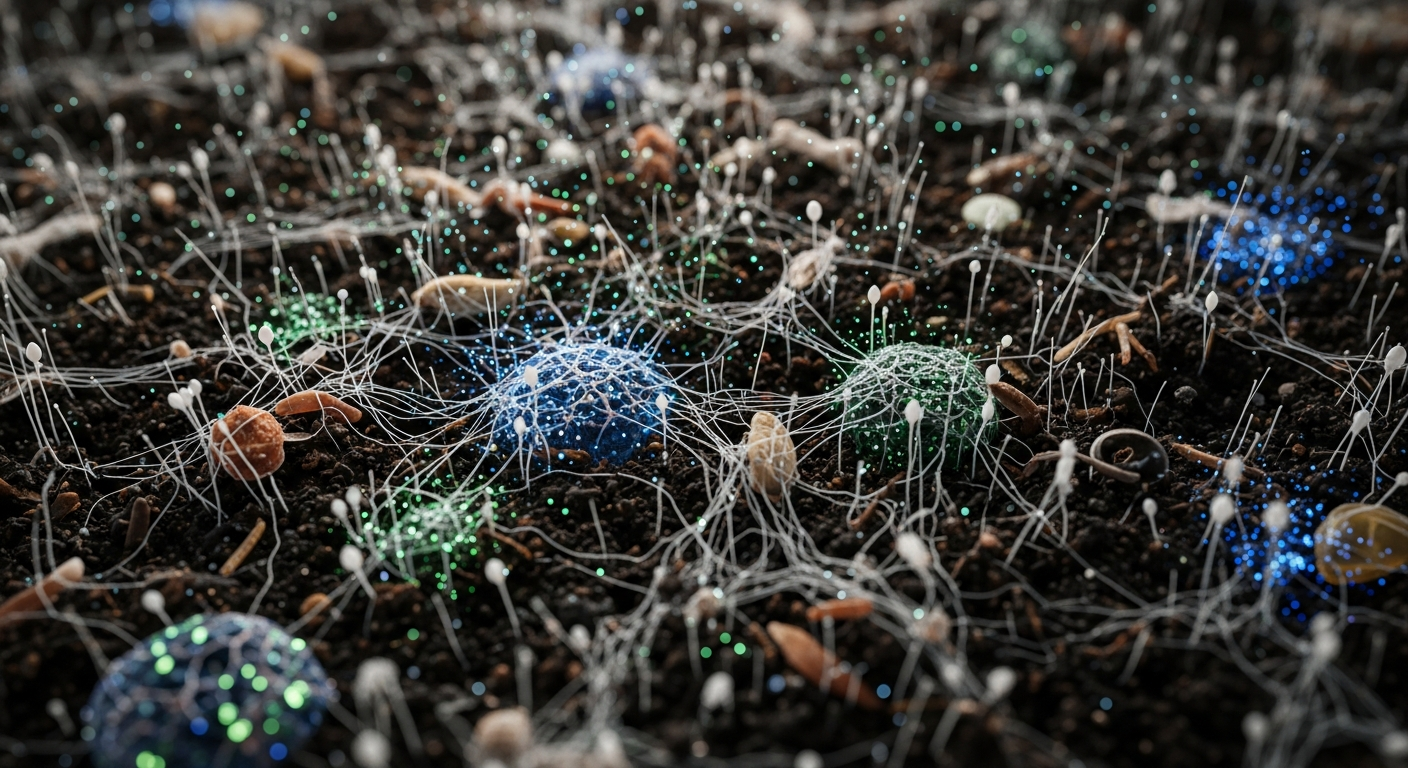
Upon introduction into contaminated soil or water, the fungal mycelium—the dense, root-like network of hyphae—proliferates, extending its reach through the affected area. As the mycelium grows, it secretes these potent enzymes directly into its surroundings. These enzymes act as biological catalysts, fragmenting complex organic contaminants, such as polycyclic aromatic hydrocarbons (PAHs), chlorinated compounds, and various pesticides, into simpler, non-toxic molecules. In some cases, fungi can also bioaccumulate heavy metals, effectively sequestering them from the environment. This biological 'eating' of pollutants transforms harmful substances into benign compounds, restoring the environmental matrix to a healthier state.
Precision Remediation: Matching Fungi to Pollutants
One of the most compelling advantages of mycoremediation is its potential for highly targeted intervention. The fungal kingdom is vast and diverse, with different species exhibiting specific enzymatic profiles and metabolic preferences. This allows researchers and practitioners to select the most effective fungal 'tool' for a particular contaminant.
For instance, the oyster mushroom (Pleurotus ostreatus) has demonstrated exceptional efficacy in the degradation of PAHs, common byproducts of fossil fuel combustion and industrial processes. In contrast, the turkey tail mushroom (Trametes versicolor) has shown particular aptitude for removing heavy metals and certain persistent organic pollutants from contaminated substrates. This ability to tailor mycoremediation approaches by selecting the appropriate fungal species ensures maximum efficiency and environmental specificity, avoiding broad-spectrum chemical interventions that can harm non-target organisms.
Sustainable Economics and Ecological Integrity
Beyond its effectiveness, mycoremediation stands out as a highly sustainable and cost-efficient alternative to conventional remediation methodologies. Traditional approaches, often reliant on chemical agents, mechanical excavation, or energy-intensive incineration, typically incur substantial financial outlays and significant ecological footprints. These methods can also lead to secondary contamination or further disruption of delicate ecosystems.
Mycoremediation, conversely, leverages natural biological processes. It operates with significantly lower energy requirements and reduced material costs, making it an economically attractive option for large-scale environmental cleanups. Furthermore, the non-invasive nature of fungal application minimizes disturbance to the existing landscape and biological communities. Far from merely neutralizing toxins, the presence of thriving fungal networks can actively improve soil structure, enhance nutrient cycling, and foster the return of beneficial microbial life, promoting holistic ecosystem recovery.
Beyond Detoxification: Fungi as Ecosystem Engineers
The ecological benefits of fungi extend far beyond their direct role in pollutant degradation. Research continues to reveal the intricate and vital contributions of fungal networks to overall ecosystem health. For example, many fungal species form symbiotic relationships with plant roots, known as mycorrhizal associations. These partnerships are critical for nutrient uptake, water absorption, and disease resistance in plants, underscoring fungi's role as foundational ecosystem engineers.
By fostering healthy fungal populations through mycoremediation, we not only address contamination but also bolster the intrinsic resilience and productivity of an ecosystem. This holistic perspective highlights the importance of preserving and promoting fungal biodiversity as a cornerstone of environmental sustainability.
Challenges and Future Outlook
While the promise of mycoremediation is immense, the field is still evolving. Challenges include optimizing fungal growth and activity in diverse environmental conditions, ensuring consistent contaminant degradation rates, and scaling up laboratory successes to industrial applications. Nevertheless, ongoing research is rapidly advancing our understanding of fungal genetics, enzyme pathways, and application methodologies.

This includes exploring new fungal strains, developing innovative delivery systems, and integrating mycoremediation with other bioremediation techniques.
In conclusion, mycoremediation embodies a revolutionary trajectory for environmental restoration, harnessing the profound power of fungi to heal and safeguard our planet. As humanity confronts the escalating challenges of widespread pollution and climate change, this innovative biological technique offers a potent beacon of hope. By deepening our engagement with the fascinating realm of mycology and fully realizing the incredible potential of mycoremediation, we can actively contribute to forging a healthier, more resilient environmental future for generations to come.