
India's Green Ambition: Beyond Capacity, Towards Integration and Industrial Power
Nut Graph: For too long, the narrative around India's renewable energy growth has been dominated by impressive gigawatt targets and capacity additions. While these milestones are commendable, a more nuanced and ultimately more sustainable strategy is emerging: one that prioritizes grid integration, cutting-edge technology adoption, and a fortified domestic manufacturing ecosystem. This isn't merely an upgrade; it's a fundamental re-orientation, acknowledging that true energy independence and economic resilience hinge not just on how much clean energy India produces, but how it's produced, integrated, and utilized. The stakes are immense, positioning India at the forefront of a global energy transition that is as much an economic imperative as it is an environmental one.
Key Takeaways:
-
India must move beyond capacity addition to prioritize grid integration and advanced energy management.
-
Strengthening domestic manufacturing across the solar and wind value chains is crucial for reducing import dependence and building supply chain resilience.
-
Leveraging advanced technologies and fostering deeper vertical integration will enable India to emerge as a long-term renewable energy manufacturing hub.
-
Renewable energy is now a compelling economic choice globally, offering cost-effectiveness and job creation.
-
Policy stability, component-level indigenisation, and global market participation are key drivers for future growth amidst geopolitical uncertainties.
Main Analysis: Re-engineering India's Renewable Future
India’s ascent as a renewable energy powerhouse has been nothing short of spectacular, with its non-fossil fuel capacity now clocking in at an impressive 267 GW, marching towards an audacious 600 GW target by FY 2030. Yet, as Santosh Kumar Sarangi, Secretary, Ministry of New and Renewable Energy (MNRE), recently articulated at India Energy Week 2026, the era of merely counting gigawatts is drawing to a close. The nation stands at a critical juncture, where quantity must give way to quality, and ambition must be tempered with strategic foresight.
Beyond the Gigawatt Count: The Integration Imperative

Sarangi’s candid assessment underscores a profound shift in strategic thinking. While rapid capacity expansion has been crucial for establishing India’s renewable footprint, the future demands an unwavering focus on grid integration and advanced technologies. The vision is no longer just about generating clean power, but about seamlessly weaving it into the national grid, ensuring stability, reliability, and efficient distribution. Forthcoming policy frameworks, Sarangi noted, will increasingly champion distributed renewable energy management – a move that signals a mature understanding of the complexities inherent in managing a vast, decentralized energy network. This is not merely an engineering challenge; it is an economic and societal imperative, ensuring that the benefits of green energy reach every corner of the nation without compromising grid stability.
Forging Independence: Manufacturing and Supply Chain Resilience
The early rush to scale up renewable capacity, while necessary, exposed vulnerabilities in India's domestic manufacturing and supply chains. Gyanesh Chaudhary, Chairman and Managing Director of Vikram Solar, aptly described this period as both an "opportunity and a learning phase." Indeed, India swiftly recognized the strategic folly of relying heavily on imports for critical components within its burgeoning solar and wind sectors.
The new emphasis, as echoed by Sarangi, is on fortifying domestic manufacturing capabilities across the entire value chain. This goes beyond assembly; it targets deep vertical integration, fostering an ecosystem where everything from polysilicon to advanced turbine blades can be produced within India’s borders.
Chaudhary further stressed that the next phase of growth necessitates not just deeper integration, but also access to advanced technologies and robust participation in global markets. This isn't just about 'Make in India'; it's about 'Innovate in India' and 'Export from India', positioning the nation as a credible, long-term renewable energy manufacturing hub. Such a pivot promises to reduce import dependence, enhance supply chain resilience, and create a significant number of high-skill jobs, thereby aligning economic growth with environmental responsibility.
The Economic Windfall: Renewables as a Strategic Choice
The narrative around renewable energy has historically been tinged with environmental altruism. However, as Erik Solheim, President of the International Advisory Board, GH2 India, pointed out, solar energy has fundamentally transformed into one of the most cost-effective power sources globally. This re-frames the energy transition not merely as an environmental necessity but as a compelling economic choice. For a rapidly developing nation like India, this cost advantage is a game-changer, offering a pathway to affordable, abundant energy that fuels industrial growth and improves quality of life, all while mitigating climate risks. The economic rationale for accelerating this transition has never been stronger, making renewables a strategic asset in India's long-term developmental blueprint.
From Local to Global: India's Evolving Wind and Solar Prowess
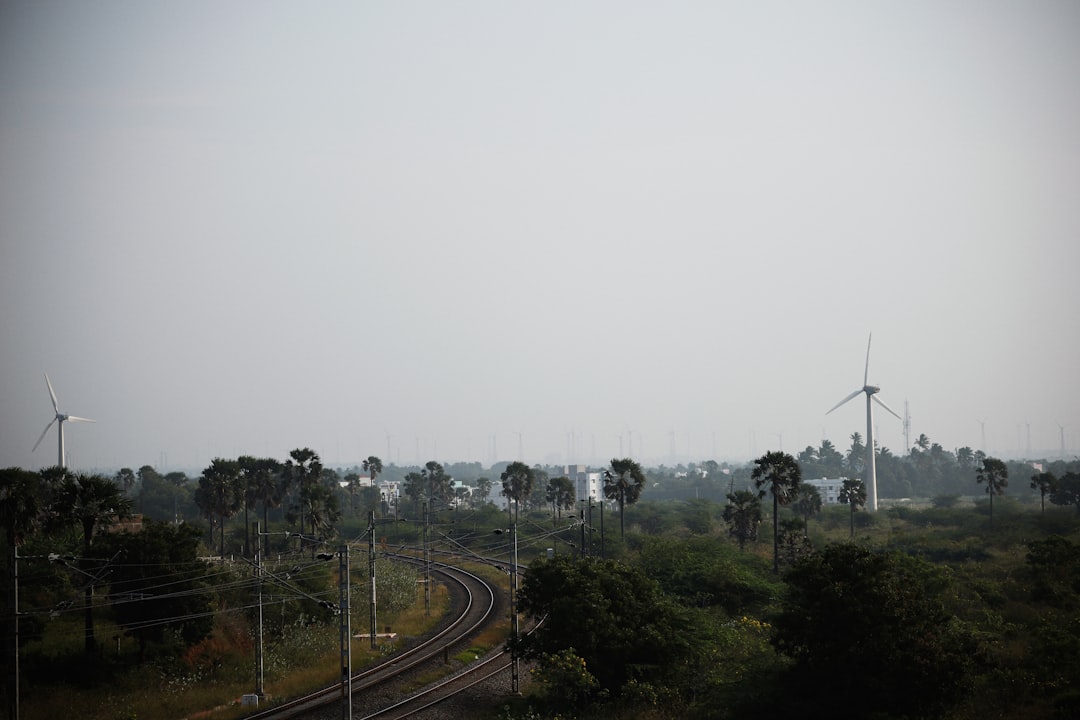
India's journey in the wind sector mirrors its solar trajectory – a progression from nascent deployment to sophisticated manufacturing and global integration. Aditya Pyasi, CEO of the Indian Wind Turbine Manufacturers Association (IWTMA), highlighted how Indian manufacturers are increasingly supplying both domestic and international markets. This maturation is a testament to consistent policy direction and sustained market creation. The focus now is on maintaining policy stability, driving component-level indigenisation, and prioritizing job creation. In an era marked by geopolitical flux, such self-reliance and diversified market presence are not just beneficial; they are essential for sustainable growth and national security.
Public Sentiment: A Unified Vision for a Greener Tomorrow
The consensus among industry leaders and policymakers at India Energy Week 2026 was remarkably clear: India’s renewable energy ambition is maturing, moving beyond simple metrics to a holistic, strategic approach. Sarangi’s emphasis on grid integration and domestic manufacturing sets a clear policy direction, acknowledging past lessons and future imperatives. Chaudhary's reflection on the "learning phase" in manufacturing underscores the industry's readiness to embrace deeper vertical integration and advanced technologies. Solheim's pragmatic view of renewables as an economic choice provides a robust foundation for continued investment, while Pyasi’s insights into the wind sector’s global ambitions complete a picture of a nation confidently stepping onto the world stage as a green energy leader. The collective sentiment is one of cautious optimism, a recognition of challenges, and a firm resolve to overcome them through innovation, strategic policy, and relentless execution.
Conclusion: The Dawn of a Resilient Energy Era
India stands on the cusp of a truly transformative energy era. The foundational work of capacity expansion has been laid. The next, more complex phase — one of seamless integration, indigenous technological prowess, and robust manufacturing — is now taking precedence. This strategic pivot is not just about meeting ambitious targets; it's about building an energy system that is resilient, affordable, and sustainable, capable of powering India's economic aspirations while leading the global fight against climate change. The path ahead demands sustained commitment, agile policy responses, and continued collaboration between government, industry, and the research community. If executed effectively, India’s renewable journey will not only secure its own energy future but also offer a compelling blueprint for the rest of the developing world. The time for true energy independence, underpinned by green innovation, has arrived.