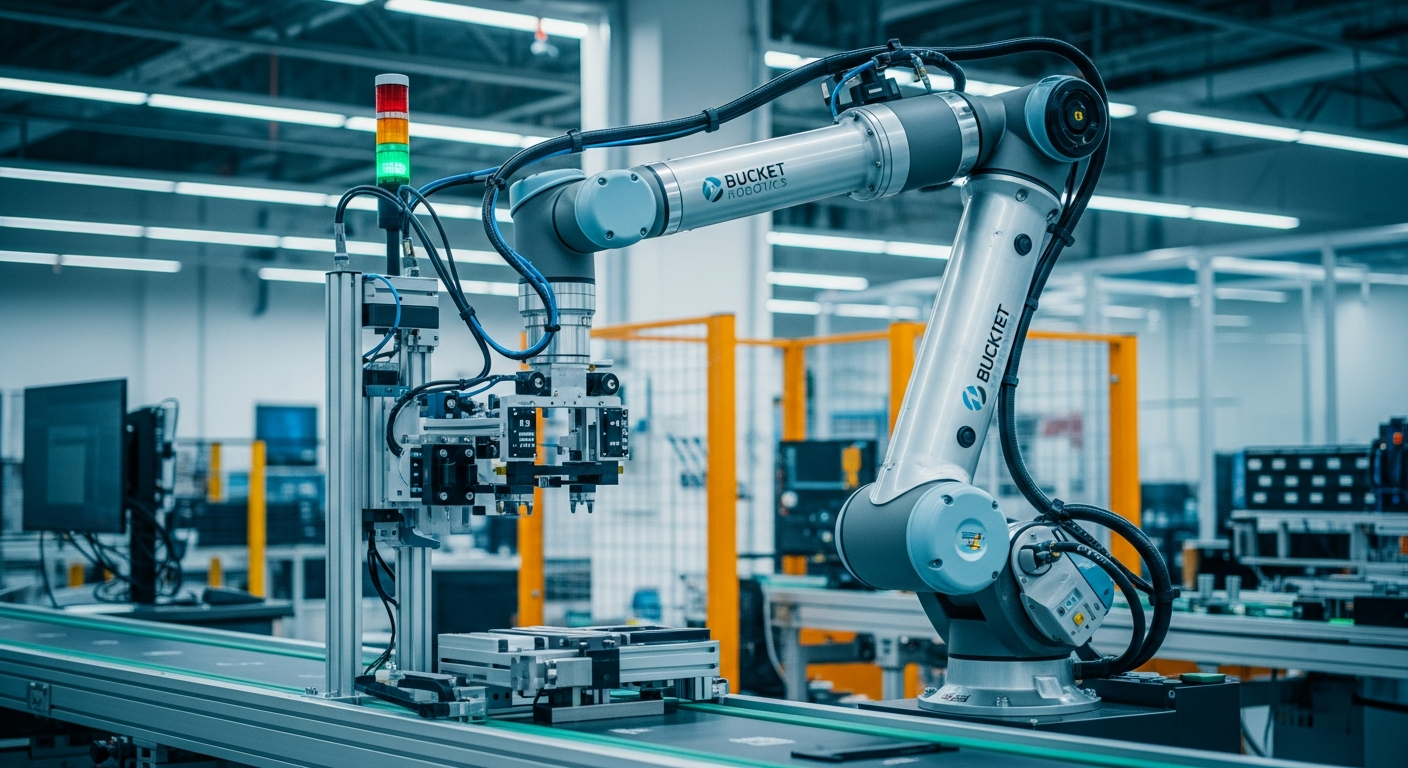
The CES Debrief: A Foundation Laid
For any deep tech startup, particularly one venturing into the capital-intensive realm of robotics, an event like CES offers an unparalleled platform. It's not merely about showcasing a product; it’s about validating a vision, gauging market appetite, and forging crucial connections. For Bucket Robotics, its inaugural CES appearance served as a powerful launchpad, generating vital industry buzz and providing direct feedback from potential clients, investors, and partners. The visibility gained at such a global forum is invaluable, often translating into a pipeline of initial leads and a significant boost to credibility.
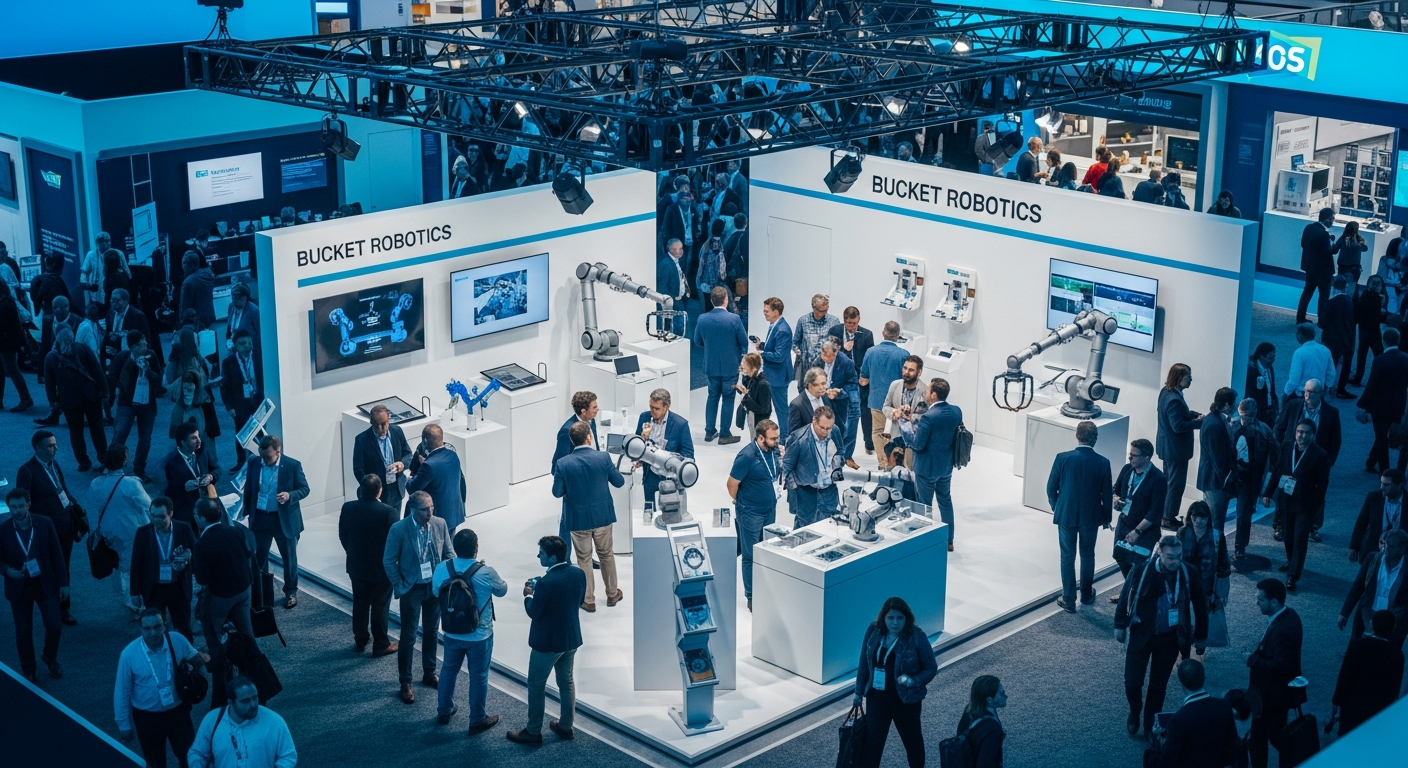
However, the real test of a startup's mettle begins once the exhibition lights dim. The transition from demonstration to deployment, from concept to commercial reality, is fraught with challenges. Bucket Robotics' ability to convert the attention garnered at CES into concrete business outcomes will be the true measure of its success. This involves a strategic pivot from pure innovation display to aggressive market-building.
Building the Business: Scaling Operations and Refinement
The immediate aftermath of a successful CES debut mandates a meticulous review of product-market fit and operational readiness. For Bucket Robotics, this means several critical areas of focus:
-
Product Refinement: Integrating feedback received at CES into their robotic solutions to enhance features, usability, and robustness. This iterative process is crucial for aligning their offerings with specific industry needs, especially for diverse sectors in India such as automotive, electronics manufacturing, and logistics.
-
Manufacturing Scale-Up: Preparing for increased production volumes. This involves optimising supply chains, potentially localising component sourcing where viable to reduce costs and lead times, and investing in scalable manufacturing processes. For a company operating in India, navigating local manufacturing ecosystems and talent acquisition becomes a significant strategic consideration.
-
Talent Acquisition: Expanding their engineering, sales, and support teams. The highly specialised nature of robotics demands skilled personnel, and securing top talent in India's competitive tech landscape is paramount. Building a robust customer support infrastructure is also vital for successful long-term client relationships.
-
Operational Efficiency: Establishing clear processes for deployment, maintenance, and post-sales service. In industrial robotics, reliability and uptime are critical, requiring a lean yet effective operational framework.
The Fundraising Imperative: Fuelling Growth
Innovation in robotics, particularly industrial applications, is expensive. Research, development, prototyping, and scaling operations all demand significant capital infusion. Bucket Robotics, as a YC-backed entity, has demonstrated initial promise, but sustained growth requires subsequent funding rounds.
-
Strategic Investment: The company will likely be targeting Series A or B funding, seeking investors who not only bring capital but also strategic expertise, network connections, and a deep understanding of the industrial automation sector. Indian venture capital funds and corporate VCs with mandates for deep tech are prime targets.
-
Demonstrating Traction: Investors will be scrutinising key performance indicators (KPIs) such as customer acquisition rates, pilot project successes, revenue forecasts, and the scalability of their technology. The CES exposure, if effectively leveraged into initial commercial deals, will serve as powerful validation.
-
Valuation and Vision: Articulating a clear long-term vision and a realistic valuation will be crucial. The ability to demonstrate a tangible return on investment for potential clients, thereby proving their business model's viability, is essential for attracting sophisticated capital.
Forging Commercial Deals: Market Entry and Expansion
The ultimate goal post-CES is to convert interest into revenue-generating contracts. This necessitates a well-defined commercial strategy:
-
Targeted Outreach: Identifying and prioritising specific industries and enterprise clients that stand to benefit most from Bucket Robotics' solutions. This might include automotive, electronics manufacturing, pharmaceuticals, or logistics, tailoring their value proposition to address pain points unique to each sector.
-
Partnership Models: Exploring various partnership avenues, including direct sales to end-users, collaborations with system integrators (who deploy complex automation solutions), and potentially OEM partnerships with larger equipment manufacturers. Each model offers different advantages in terms of market reach and scalability.
-
Value Proposition: Clearly articulating the return on investment (ROI) for clients, emphasising benefits such as increased efficiency, reduced operational costs, improved safety, and enhanced productivity. In a cost-sensitive market like India, demonstrating tangible economic advantages is critical.
-
Navigating Regulations: Understanding and complying with local and international industrial safety standards, data privacy regulations, and import/export policies, which can vary significantly across different markets.

The Indian Context: Opportunities and Hurdles
For Bucket Robotics, operating from India presents a unique confluence of opportunities and challenges. The "Make in India" initiative, coupled with a burgeoning manufacturing sector, is driving demand for industrial automation. Sectors like automotive, textiles, and electronics are increasingly adopting robotics to enhance competitiveness and meet global quality standards.
However, hurdles persist, including the perception of high initial investment costs, the availability of skilled labour for robot programming and maintenance, and infrastructure disparities across different regions. Bucket Robotics will need to develop solutions that are not only technologically advanced but also economically viable and easily deployable within the existing industrial ecosystem of India, perhaps offering flexible financing or 'Robots-as-a-Service' models to accelerate adoption among Small and Medium Enterprises (SMEs).
Public Sentiment
"CES offers a fantastic launchpad, but the real work begins after. For robotics firms, translating innovation into scalable, reliable products for industrial application is paramount. The market demands proven solutions, not just prototypes," observes an industry analyst with deep ties to the manufacturing sector.
"Funding for deep tech in India is maturing, but investors are increasingly scrutinising clear paths to commercialisation and robust unit economics. Bucket Robotics will need to demonstrate both a compelling vision and tangible market traction to secure subsequent rounds," states a prominent venture capitalist focused on industrial innovation.
"The appetite for automation in sectors like automotive and logistics in India is undeniably strong. Companies like Bucket Robotics need to tailor solutions that offer a clear, measurable ROI for local businesses, especially given the diverse operational scales present," remarks a leader in the Indian manufacturing sector.
Conclusion
Bucket Robotics stands at a critical juncture. Its successful navigation of CES has opened doors, but the true journey of building a sustainable, impactful enterprise is just beginning. The strategic imperative now is to transition from a celebrated innovator to a formidable market player. By meticulously focusing on product refinement, operational scaling, aggressive yet judicious fundraising, and a keenly targeted commercial strategy—all while thoughtfully engaging with the unique dynamics of the Indian market—Bucket Robotics can translate its initial momentum into a robust trajectory of growth and establish itself as a significant force in the global industrial robotics landscape.