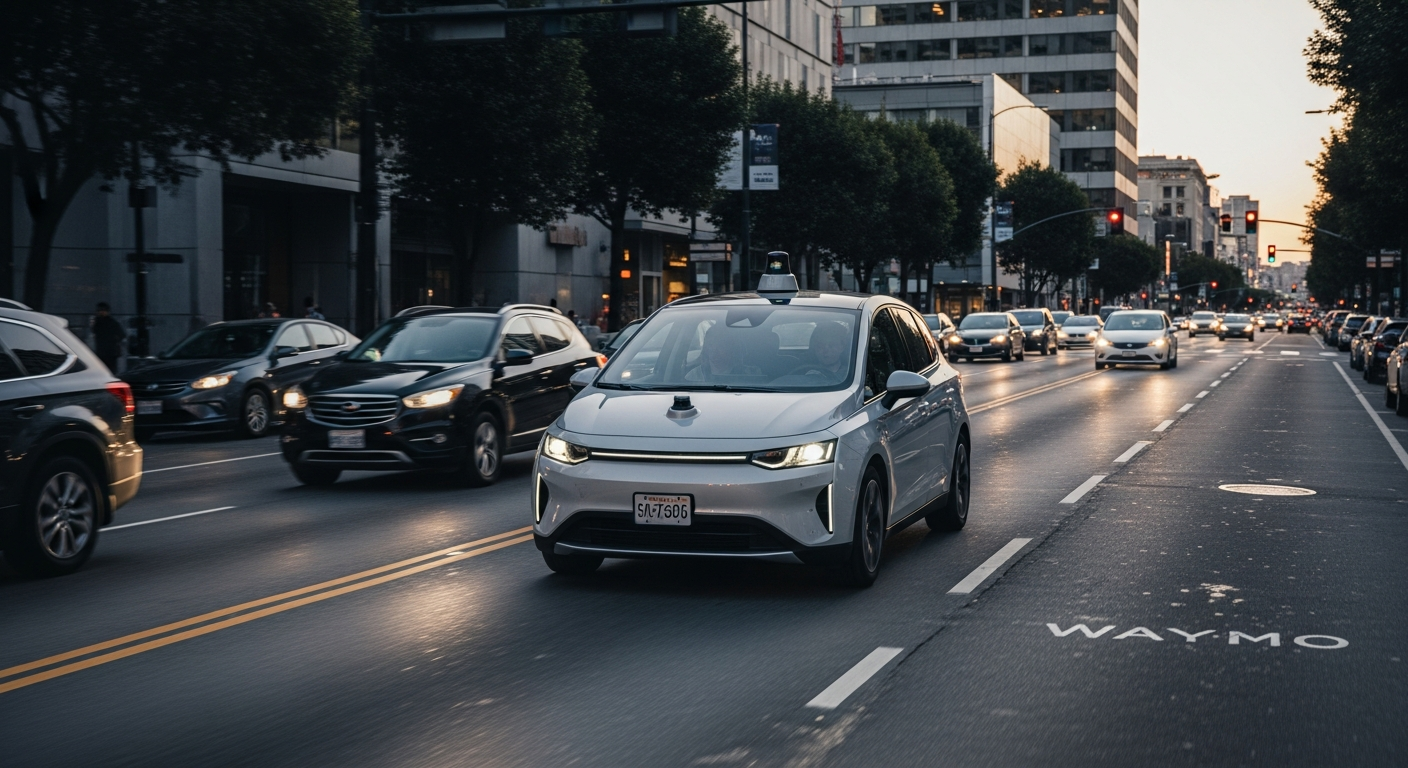
The landscape of urban mobility is undergoing a quiet, yet profound transformation. For years, the promise of autonomous vehicles (AVs) has been tempered by their perceived high operational costs, keeping them a premium option compared to conventional ride-hailing. However, new data from Obi, a company specializing in real-time pricing and pickup time aggregation across multiple services, indicates a significant shift: the price difference between a Waymo robotaxi and a comparable human-driven Uber or Lyft ride is steadily narrowing.
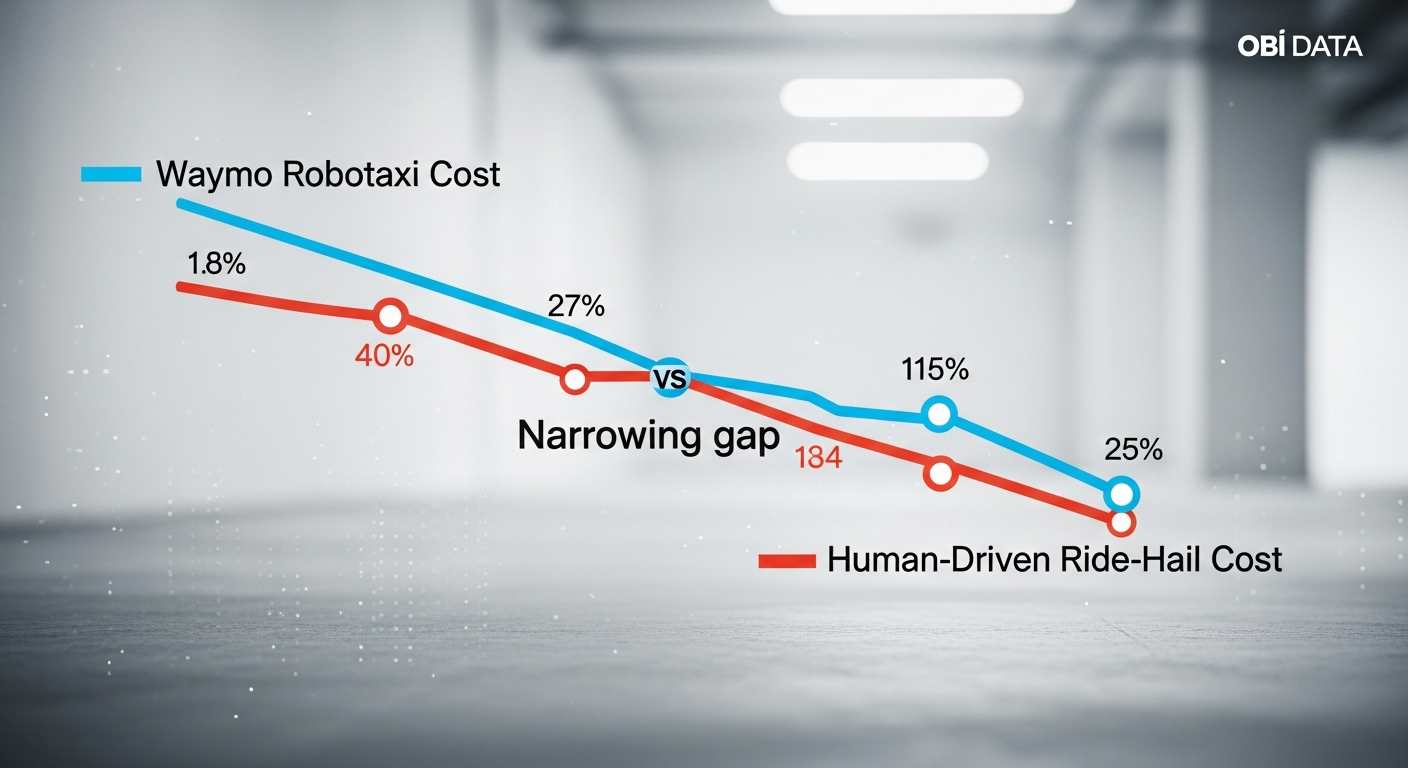
While a Waymo trip still averages slightly higher, the rate at which this gap is closing suggests that fully autonomous services are rapidly approaching a competitive price point, signaling a new era for personal transportation.
Key Takeaways
-
Narrowing Price Gap: Waymo's robotaxi costs are becoming increasingly competitive with human-driven ride-hailing services, as evidenced by Obi's latest data.
-
Operational Efficiency Gains: This trend reflects Waymo's ongoing advancements in operational efficiency, technology refinement, and scaling efforts.
-
Increased Competition: The reduced price differential is set to intensify competition within the ride-hailing market, potentially pushing human-driven services to innovate or adjust pricing.
-
Consumer Adoption Potential: A more accessible price point could accelerate mainstream adoption of autonomous vehicles, shifting public perception from novelty to viable transportation.
-
Future of Urban Mobility: This development marks a critical step towards a future where AVs play a central, economically attractive role in urban transit systems.
Main Analysis: The Economics of Autonomy in Motion
The Shifting Cost Curve of Self-Driving Technology
For autonomous vehicle companies like Waymo, the initial investment in research, development, and deployment is astronomical. Early operations are often characterized by high costs per mile due to limited scale, intensive sensor packages, and the need for human safety drivers in many phases. The data from Obi, however, points to a maturation of the Waymo model. As Waymo refines its technology, optimizes its routing algorithms, and expands its operational footprint in cities like Phoenix, San Francisco, and Los Angeles, the underlying economics are beginning to improve. The absence of a human driver's salary, benefits, and the associated regulatory overhead is a significant long-term cost advantage that starts to materialize as scale increases.
Competitive Pressures on the Ride-Hailing Duopoly
The narrowing price gap puts considerable pressure on established ride-hailing giants, Uber and Lyft. For years, their business model has relied on a vast network of gig-economy drivers, offering flexibility and broad availability. However, this model is also susceptible to labor costs, regulatory changes regarding driver classification, and fluctuating fuel prices. As Waymo becomes more price-competitive, it forces Uber and Lyft to reassess their strategies. They may need to invest further in their own autonomous divisions, seek partnerships, or find new efficiencies within their human-driven networks to maintain market share. The convenience and availability that human-driven services offer will remain a strong differentiator, but price parity erodes a significant competitive edge.
Consumer Adoption: Beyond Novelty
Consumer adoption of autonomous vehicles has historically been driven by curiosity or specific convenience factors, often at a premium. A more competitive price point changes this dynamic. When the cost of a Waymo trip is comparable to a traditional ride, the decision-making shifts. Factors like perceived safety, cleanliness, privacy, and consistency of service become more prominent. For many commuters and casual riders, the prospect of a reliable, driverless ride that doesn't break the bank could be the tipping point for widespread acceptance, moving AVs from a niche service to a mainstream transportation option.
The Road Ahead: Scaling and Regulatory Horizons
Despite the positive price trends, significant hurdles remain. Scaling autonomous operations across diverse urban environments presents complex logistical and regulatory challenges. Each city has unique traffic patterns, infrastructure, and legislative frameworks that AV companies must navigate. Public perception, particularly concerning safety, also plays a crucial role. Incidents, however rare, can significantly impact trust and slow adoption. However, the economic viability demonstrated by the narrowing price gap provides a robust argument for continued investment and policy support, pushing autonomous mobility further into the mainstream.
Public Sentiment
Public discourse around autonomous ride-hailing remains a mix of excitement and apprehension. Many express enthusiasm for the potential convenience, reduced traffic, and enhanced safety features, especially as costs become more manageable. "If it's safe and costs about the same as an Uber, why not give it a try?" commented one hypothetical urban resident on social media. Others voice concerns about job displacement for human drivers, the reliability of the technology in adverse conditions, and data privacy. "I'm still wary about trusting a computer fully, especially if there's no backup driver. And what about my personal data?" echoed another. This nuanced public sentiment underscores the importance of transparent communication and continued technological refinement as AVs become more prevalent.
Conclusion
The narrowing price gap between Waymo's robotaxis and human-driven ride-hailing services represents a landmark moment in the evolution of urban transportation. It signifies that the massive investments in autonomous technology are beginning to yield tangible economic benefits, moving self-driving cars from a futuristic concept to a present-day competitive option. As Waymo and its peers continue to refine their operations and expand their reach, the entire ride-hailing industry is poised for a period of intense innovation and strategic realignment. The beneficiaries, ultimately, will be urban dwellers who will soon have more choice, potentially greater efficiency, and increasingly accessible high-tech mobility options at their fingertips.