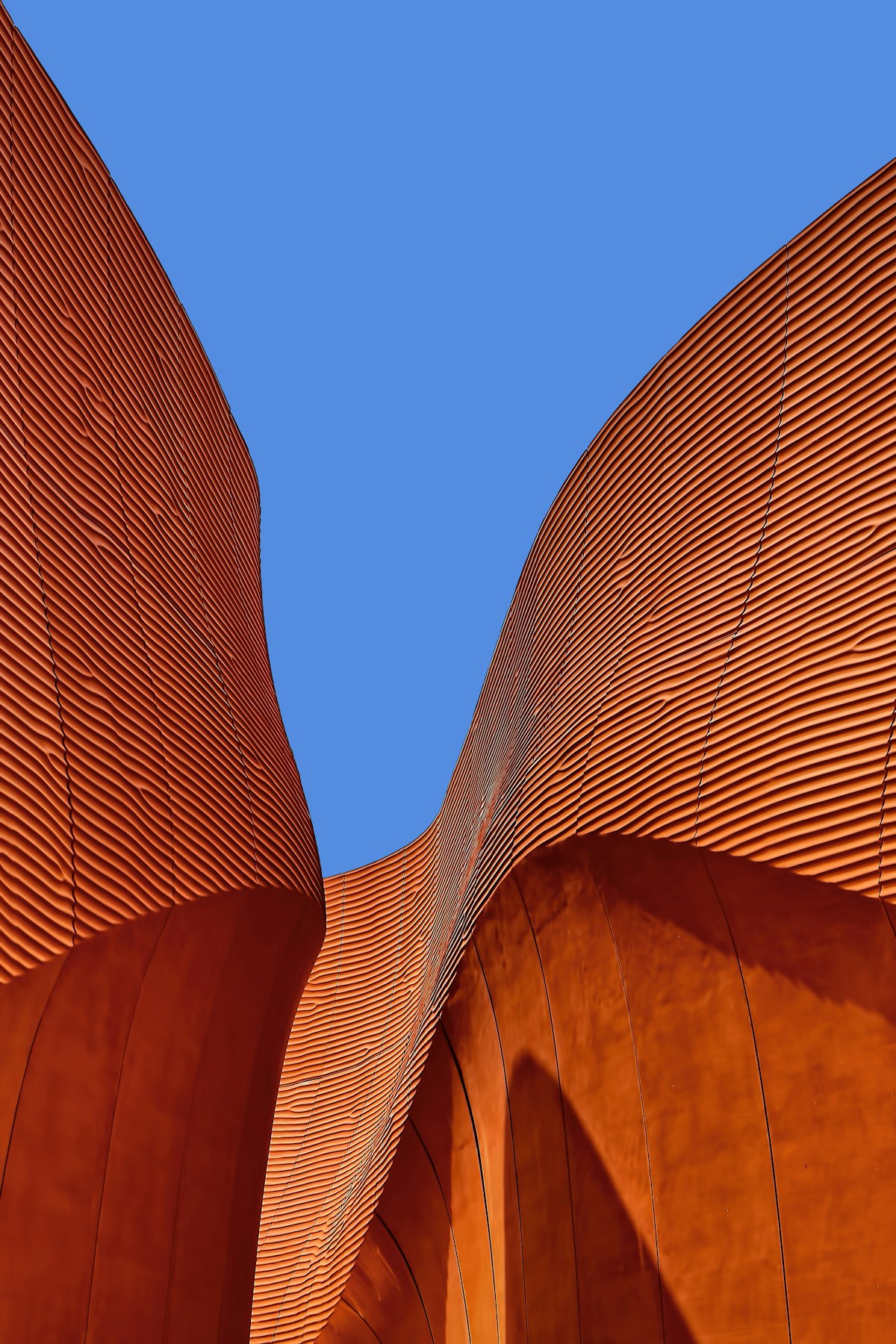
The modern corporate headquarters has, for the better part of three decades, been defined by transparency: acres of seamless glass, impossibly sharp angles, and an airy lightness intended to signal agility and open access. Yet, a peculiar architectural dialectic is underway across the industrialized landscape. In the shadow of these shimmering towers, a distinct, heavier form is re-emerging, favored by the very institutions that once scorned it: Brutalism.
Characterized by its monolithic massing, repetitive geometry, and the honest, unadorned display of béton brut (raw concrete), Brutalism was historically associated with institutional buildings—libraries, university blocks, and governmental complexes—not the sleek engine rooms of global capitalism. Its initial fall from grace was swift and severe, often derided as cold, inhuman, and symbolic of state overreach. However, senior executives and architectural directors, seeking a visual vocabulary that transcends temporary fashion, are now commissioning structures that emphasize durability, permanence, and deliberate weight. The Brutalist corporate HQ is not merely a retro-fashion statement; it is a calculated investment in visual authority.
The Economics of Institutional Heft
The primary driver of this renewed interest is the intrinsic quality of permanence. In an architectural climate dominated by rapidly aging, high-maintenance facade systems and the pursuit of ephemeral LEED certifications, raw concrete offers pragmatic stability. Concrete structures possess an inherent longevity, demanding less upkeep than complex glass curtain walls, which require continual sealant maintenance and specialized cleaning regimes.
For corporations whose primary assets are increasingly intangible—data, software, and brand equity—the physical headquarters must function as an anchor, a testament to enduring stability. The material itself communicates financial gravitas. The sheer massing of a Brutalist design suggests that this corporation is structurally sound, rooted in the earth, and immune to the whims of the market cycle. It transforms the HQ from a disposable shell into a veritable monument.
This aesthetic austerity also dovetails neatly with contemporary corporate mandates for 'structural honesty.' In an age where financial reporting and business ethics are scrutinized relentlessly, a building that openly displays its load-bearing skeleton and raw, unaltered materials serves as a powerful metaphor for corporate transparency and integrity—even if ironically applied.
The Post-Transparency Statement
For years, the corporate mandate was 'openness,' achieved via the glass tower. While theoretically appealing, this model resulted in buildings that felt anonymous, often indistinguishable from one city to the next. The pendulum has now swung toward differentiation and grounded identity. When every bank or tech firm occupies a crystalline spire, uniqueness requires deviation.
Brutalist architecture, by contrast, is aggressively site-specific and impossible to ignore. A building of this style makes an uncompromising statement. It rejects the ambient flow of its surroundings and demands contemplation. It speaks not of fleeting market enthusiasm but of unwavering conviction.
Furthermore, the movement’s inherent scale aligns perfectly with the current demands of the mega-tech campus or sprawling financial data center. These facilities require extensive, windowless interior space for hardware and highly controlled environments. Brutalism’s ability to handle massive, integrated ventilation systems and its preference for deep, purposeful mass rather than surface decoration makes it an unexpectedly functional fit for the operational needs of the 21st-century industrial giant.
Security and the Fortification of Enterprise
Perhaps the most compelling strategic element of the Brutalist revival is its inherent defensive posture. In a world increasingly concerned with physical security, whether due to climate threats, civic unrest, or the protection of proprietary intellectual property, the glass tower is functionally vulnerable. Its vulnerability is its design feature.
A Brutalist building, conversely, suggests a fortress. Its thick walls, limited apertures, and heavy, ground-level emphasis convey resilience and protection. For firms handling sensitive data—be they financial clearinghouses, advanced R&D labs, or secretive algorithm developers—the aesthetic of impenetrability is highly desirable. The structure itself becomes a defensive barrier, a physical embodiment of data encryption.
This focus on security is not merely about preventing unauthorized access; it is also about controlling the internal environment. The deep concrete shell provides excellent thermal mass and sound dampening, creating a stable, focused environment necessary for complex knowledge work, distancing the interior life of the corporation from the chaotic external environment.
The Gravitas of the Monolith
The contemporary attraction to Brutalism is a complex cocktail of financial prudence, functional suitability, and a desire for meaningful corporate representation. It signifies a move away from the polite, often insincere optimism of the glass box toward a grounded acknowledgement of institutional power.
Companies adopting this style are declaring that their presence is neither temporary nor accidental. They are opting for architecture that possesses immediate, tangible gravitas—a style that says, unequivocally, 'We are here to stay.' In an era defined by disruptive technological flux and macroeconomic uncertainty, the foundational weight of honest concrete offers a profound reassurance that few other architectural styles can truly match. For the industrial elite, the return to Brutalism is the sound of heavy foundations settling for the long haul.