Key Takeaways
-
Colossal Capital Infusion: Waymo's $16 billion funding round highlights the immense financial commitment required to scale autonomous vehicle (AV) technology.
-
Eye-watering Valuation: A $110 billion valuation, despite limited commercial deployment, underscores investor belief in Waymo's future market dominance and technological lead.
-
Accelerating the AV Race: This war chest empowers Waymo, intensifying competition and pushing rivals to innovate faster or risk falling behind.
-
Long-Term Vision Confirmed: The investment reaffirms that major players view AVs as a generational technological shift, not a fleeting trend.
-
Implications for Emerging Markets: While immediate adoption in markets like India remains challenging, the funding signals future disruption and the need for proactive engagement with AV policy and infrastructure.
The Unyielding Pursuit of Autonomy: A $110 Billion Bet
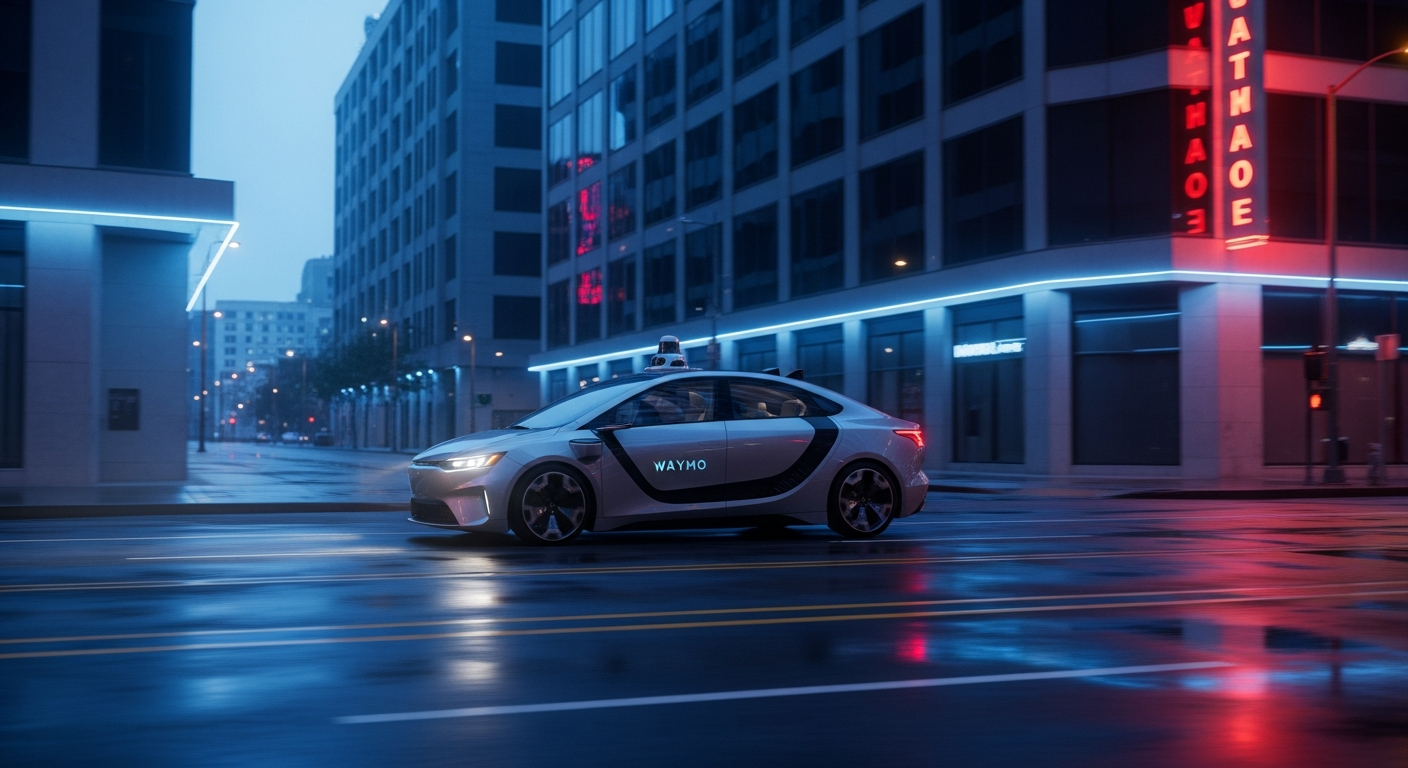
In an era where many tech ventures struggle for modest Series B rounds, Waymo's rumored $16 billion capital injection stands out as an almost audacious declaration of intent. Valuing the robotaxi pioneer at an astounding $110 billion, this isn't merely an investment; it's a colossal gamble, a testament to Silicon Valley's unwavering, almost defiant, faith in the eventual triumph of fully autonomous vehicles. To put this in perspective, $110 billion places Waymo in the league of established automotive giants, yet its current commercial footprint remains remarkably constrained, primarily operating in limited geographies.
Critics might decry this as irrational exuberance, a bubble inflated by the promise of a future that consistently recedes. However, for those with deep pockets and a long-term vision – like Waymo's parent, Alphabet – this investment isn't about immediate quarterly returns. It's about securing pole position in what many believe will be the multi-trillion-dollar transportation and logistics industry of tomorrow. The sum isn't merely to keep the lights on; it's to fund the relentless R&D, the infrastructure build-out, the regulatory navigation, and the slow, arduous process of building public trust. It speaks volumes of the inherent belief that Waymo holds the key to unlock a transformative shift in how humanity moves goods and people.
The Marathon, Not a Sprint: Overcoming Herculean Obstacles
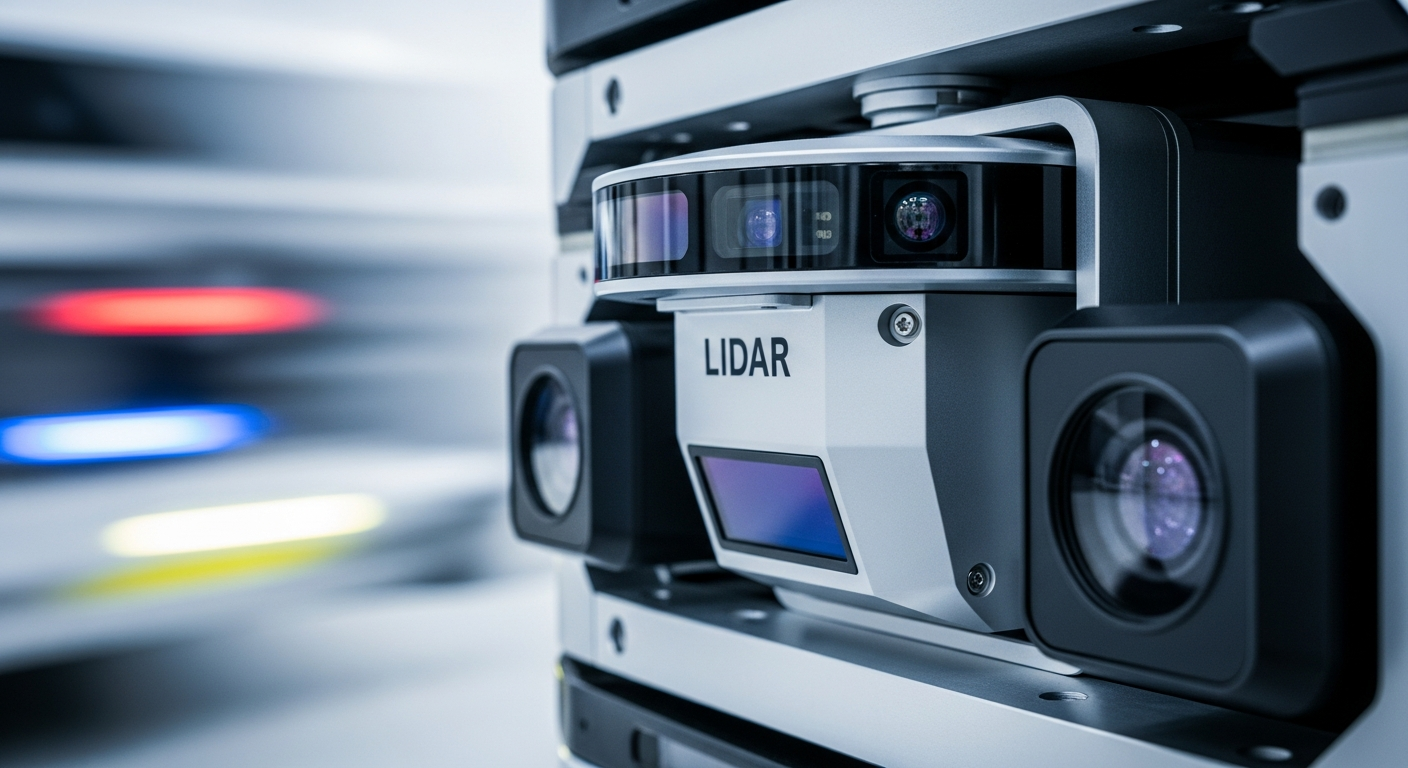
The road to Level 4 and Level 5 autonomy, where vehicles can operate completely without human intervention in defined or all conditions, has proven to be far more complex and protracted than initial optimistic forecasts suggested. The technical hurdles alone are immense: perfecting LiDAR, radar, and camera sensor fusion; developing AI that can interpret the chaotic unpredictability of real-world driving; and building robust systems capable of handling countless 'edge cases' – those rare, unexpected scenarios that confound even human drivers. Every mile driven autonomously generates petabytes of data, each an opportunity for improvement, but also a reminder of the sheer scale of the challenge.
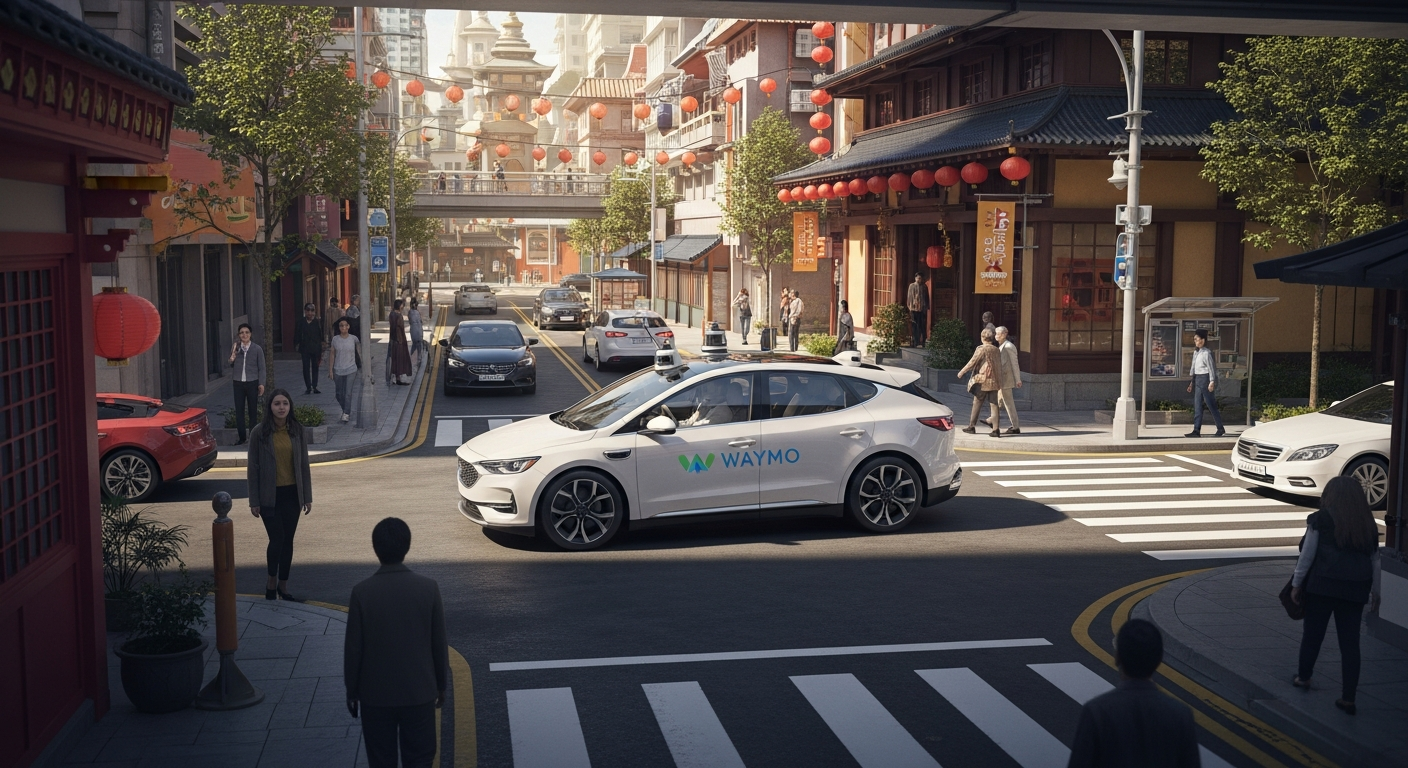
Beyond the silicon and algorithms, Waymo faces a labyrinth of regulatory frameworks that vary wildly by jurisdiction. Public acceptance, too, remains a significant barrier, often swayed by isolated incidents or sensationalized media reports. The company has moved cautiously, prioritizing safety above all else, which explains its measured commercial expansion. For markets like India, the challenge is amplified manifold. Imagine a Waymo robotaxi navigating the organised chaos of a Delhi street, teeming with pedestrians, stray animals, handcarts, and unwritten rules of the road. The existing infrastructure, varying road conditions, and diverse driving behaviours present a unique set of 'edge cases' that require not just technological prowess but also deep cultural and contextual understanding. It's a testament to the long-term view that investors are willing to back Waymo for this marathon, not just a sprint.
Global Race, Local Realities: India's Autonomous Equation
Waymo's substantial funding round inevitably escalates the global autonomous vehicle arms race. It sends a clear message to rivals like Cruise (General Motors' AV unit), Mobileye, and a burgeoning field of Chinese startups: Waymo intends to lead, and it has the financial muscle to do so. This capital injection will allow Waymo to accelerate its expansion, potentially into more cities and new use cases beyond traditional robotaxis, such as long-haul trucking or last-mile delivery services.
For India, the implications are profound, if not immediate. While widespread Level 4 autonomy is still a distant dream for Indian roads, Waymo's advancement signals a future that Indian policymakers, urban planners, and logistics companies must begin to prepare for. Autonomous technology, even in its earlier stages, could revolutionize specific sectors – think port automation, mining, or controlled-environment logistics. The need for robust, digital infrastructure, clearer regulatory frameworks, and a workforce prepared for technological displacement becomes more urgent. India's unique traffic conditions are arguably the ultimate proving ground for AV technology, and success here would be a global game-changer.
Whether Waymo directly enters the Indian market or its advancements inspire local innovation, the ripples of this investment will undoubtedly reach Indian shores, demanding attention and strategic foresight.
The Alphabet Advantage: Patience and Deep Pockets
Crucially, Waymo isn't a standalone startup scrambling for its next venture capital cheque. It's a division of Alphabet, one of the world's most valuable and patient companies. This provides Waymo with an unparalleled advantage: the ability to absorb significant losses for years, even decades, in pursuit of a truly disruptive technology. While other AV startups have been forced to pivot, downsize, or merge due to funding pressures, Waymo operates with the luxury of a virtually bottomless war chest. This sustained commitment from its parent company underscores the strategic importance Alphabet places on autonomous driving – not just as a revenue stream, but as a foundational technology that could redefine multiple industries, much like search or mobile computing did.
Public Sentiment: Hope, Skepticism, and the Unseen Hand
Public sentiment around autonomous vehicles remains a complex tapestry of hope, skepticism, and outright fear. Tech optimists see the promise of safer roads, reduced congestion, and increased accessibility. Investors, particularly those involved in this round, are clearly bullish on the long-term ROI. However, a significant portion of the public remains wary, citing safety concerns, the potential for job displacement among professional drivers, and the loss of human control. In India, beyond these global sentiments, there's also a sense of curiosity mixed with apprehension about how such technology could possibly adapt to the country's unique traffic ecosystem. The debate rages on, fueled by every incremental success and every minor setback, shaping the regulatory landscape and the pace of adoption.
Conclusion: The Road Ahead - Paved with Billions and Uncertainty
Waymo's reported $16 billion funding round and $110 billion valuation are not just impressive figures; they are a resounding declaration of intent in the high-stakes game of autonomous vehicles. They represent a deep-seated belief that despite the extraordinary technical, regulatory, and social challenges, robotaxis are not a matter of 'if' but 'when'. While the numbers are staggering, the real test lies in widespread, safe, and ultimately profitable deployment across diverse global markets, including the uniquely challenging yet immensely promising landscape of India. The road ahead for Waymo and the entire AV industry is paved with billions, but also with uncertainty, demanding relentless innovation, unwavering patience, and a nuanced understanding of local realities. The future of mobility is being built, one massive investment at a time, and the world watches to see if Waymo's bet pays off.