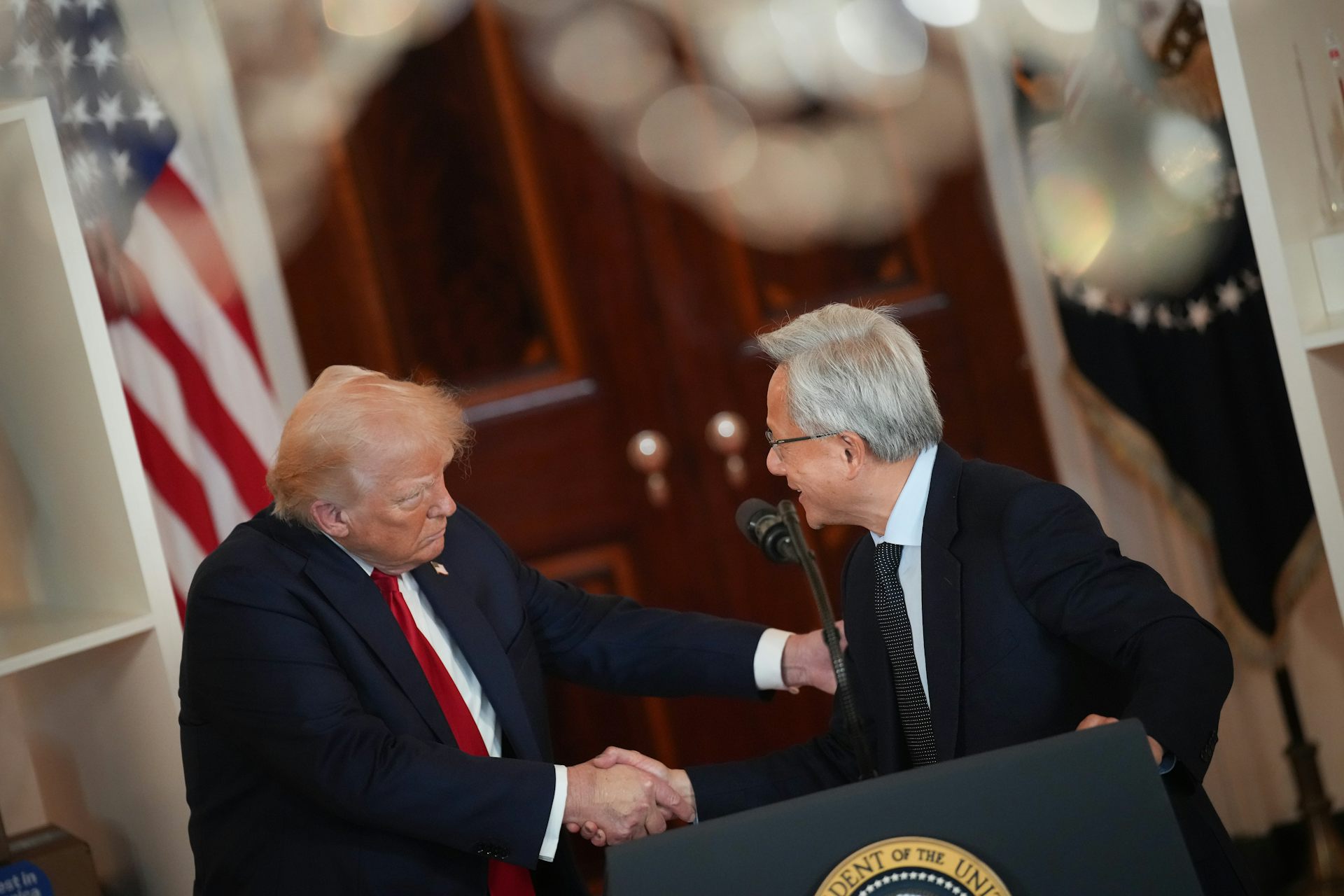
President Donald Trump's administration has made a striking departure from its previous hardline stance on technology exports to China, granting approval for Nvidia's H200 artificial intelligence (AI) chips to enter the Chinese market. This decision effectively rescinds earlier prohibitions, allowing powerful processors critical for advanced AI systems to be traded, with an unprecedented condition: the U.S. government will receive 25% of Nvidia's sales revenue from these transactions. This move signals a notable re-prioritization, shifting the U.S. focus from stringent security controls to a more trade-oriented strategy, even for dual-use technologies.
Key Takeaways
-
Policy Reversal: The Trump administration has approved Nvidia H200 AI chip exports to China, overturning previous bans. This includes the H200, Nvidia's second-most powerful AI processor.
-
Revenue Share: The U.S. government will capture 25% of Nvidia's sales revenue from these specific transactions, marking a unique financial arrangement in U.S. trade policy.
-
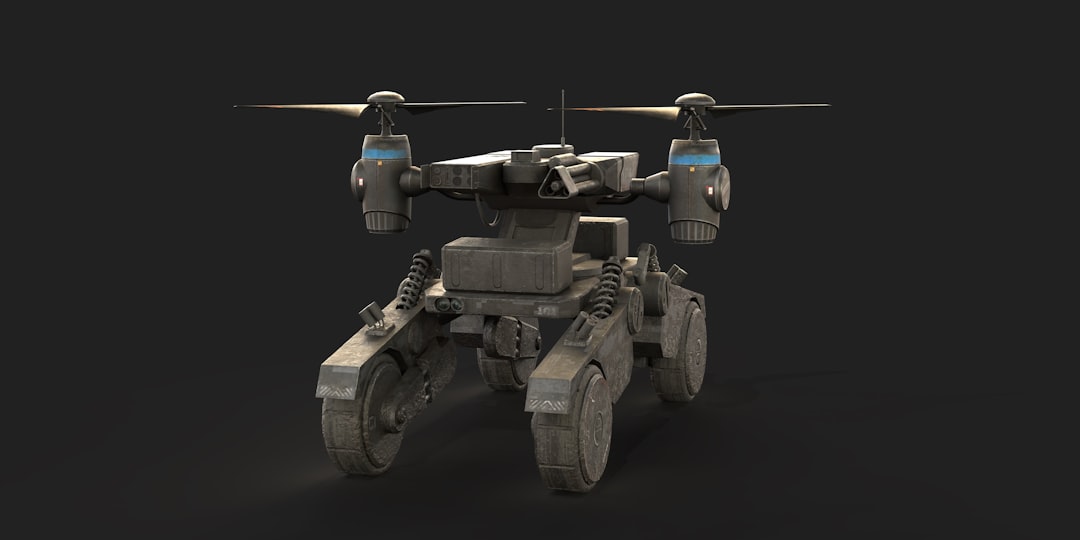
Dual-Use Technology: The H200 chips are vital for cutting-edge AI systems, with direct applications in military domains, including autonomous weapons like drones and automated targeting systems.
-
Geopolitical Context: The decision unfolds against a backdrop of escalating U.S.-China trade tensions, with tariffs on Chinese imports having peaked as high as 145% during the year.
-
Strategic Pivot: This move represents a significant shift from a national security-centric approach to one that emphasizes economic interests and trade facilitation.
The Policy Pivot: Monetizing Strategic Technology
For years, U.S. policy toward China's technological advancement has been characterized by an effort to restrict access to sensitive, high-end components, particularly those with military potential. The H200 chip, with capabilities six times greater than its predecessor, the H20, undeniably falls into this category. Its approval for export, therefore, represents a radical recalibration of priorities. The inclusion of a 25% revenue share for the U.S. government introduces a novel dimension, effectively turning a strategic export control issue into a revenue-generating venture. This economic calculus prompts a deeper look into the motivations behind sacrificing a security-first posture for financial returns amidst persistent trade friction.
H200: Power, Proliferation, and Peril
Nvidia's H200 is not merely a commercial product; it is an foundational component for the next generation of AI. Its processing power enables sophisticated AI systems that are indispensable for applications ranging from complex data analysis to advanced robotics. Crucially, its capabilities extend directly into military applications, underpinning autonomous weapons systems such as advanced drone navigation, precision targeting algorithms, and automated defense emplacements. The proliferation of such technology is particularly concerning given documented instances of militarized AI being actively deployed in conflict zones globally, including Ukraine and Gaza. This raises serious questions about the ethical and security implications of facilitating access to components that could accelerate the development of autonomous warfare capabilities by a geopolitical rival.
Geopolitical Chessboard: Trade, Tariffs, and Tech Warfare
This decision cannot be viewed in isolation from the broader context of the U.S.-China trade war. With tariffs reaching unprecedented levels, the economic relationship between the two superpowers has been fraught with tension. The approval of H200 exports suggests a tactical maneuver, perhaps an attempt to ease trade tensions or extract economic concessions, even at the perceived cost of technological superiority. Critics argue that allowing such advanced chips into China could inadvertently fuel China's military modernization efforts, potentially undermining long-term U.S. national security objectives for short-term economic gains. The interplay between economic imperatives and national security concerns has never been more complex, creating a volatile landscape for international relations and technological innovation.
Public Sentiment: A Divided Discourse
Public and expert opinion on this policy pivot remains sharply divided. Advocates for the decision often highlight the economic benefits, arguing that the 25% revenue share provides a tangible return for the U.S. Treasury, potentially offsetting other trade imbalances. They might also suggest that attempting to halt the flow of technology entirely is ultimately futile, given globalized supply chains and indigenous innovation, making a revenue-sharing model a pragmatic approach. Conversely, critics express profound alarm, viewing the decision as a dangerous precedent that compromises national security for profit. Concerns are frequently voiced about accelerating China's military AI capabilities, the ethical implications of profiting from dual-use technology, and the potential for a technological arms race.
Conclusion
The Trump administration's approval of Nvidia's H200 AI chip exports to China signals a profound reorientation of U.S. foreign and economic policy. By prioritizing an immediate financial return—a quarter of Nvidia's sales revenue—over explicit technological containment, the U.S. is navigating a perilous balance between economic pragmatism and strategic security. The ramifications of this decision will likely be felt across various sectors, influencing not only the future trajectory of U.S.-China relations but also the global landscape of AI development and military capabilities. As the digital age continues to reshape geopolitics, the full extent of this policy shift remains to be seen, promising a complex future for international trade and technological governance.