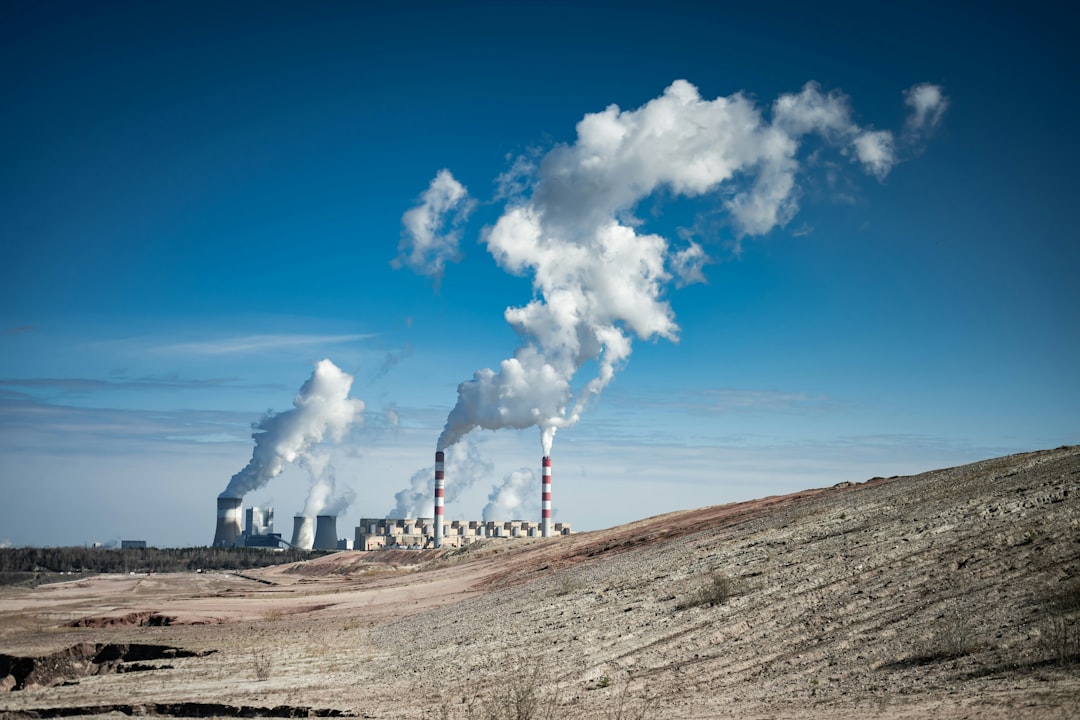
The landscape of U.S. energy policy and environmental regulation is undergoing a significant transformation, marked by the Trump administration's recent decision to roll back Biden-era restrictions on toxic emissions from power plants. This move, which repeals the Mercury and Air Toxics Standards (MATS), comes at a pivotal moment, as the burgeoning artificial intelligence industry drives an escalating demand for electricity across the nation.
Key Takeaways
-
The Trump administration has reversed Biden-era Mercury and Air Toxics Standards (MATS).
-
This repeal directly impacts coal-fired power plants, major contributors to mercury emissions.
-
Electricity demand is surging nationwide, largely driven by the construction of new AI data centers.
-
Mercury is a potent neurotoxin with severe health consequences, particularly for children.
-
The policy shift ignites a renewed debate on balancing economic growth, energy security, and environmental protection.
The Repeal of MATS and Its Implications
At the heart of the recent policy change is the Mercury and Air Toxics Standards (MATS), regulations originally implemented to significantly curb the emission of hazardous air pollutants from coal and oil-fired power plants. These standards were specifically designed to limit substances like mercury, arsenic, chromium, and nickel, which are known to pose serious risks to human health and the environment. The Biden administration had reinforced these protections, aiming to further reduce the impact of industrial emissions.
The Trump administration's repeal effectively dismantles these restrictions, making it less costly and complex for power plants, especially older coal facilities, to operate without updated pollution control technologies. For coal plants, which are responsible for approximately half of all mercury emissions in the U.S., this represents a substantial change. Critics argue that easing these standards could lead to an increase in harmful pollutants entering the atmosphere, with cascading effects on ecosystems and public health.
[FEATURED]
Coal's Enduring Role and the Mercury Threat
Coal-fired power plants, such as the Kingston Fossil Plant, a 1.4-gigawatt facility located in Roane County, Tennessee, have historically been cornerstones of the U.S. energy grid. While their footprint has diminished in recent decades due to competition from natural gas and renewables, they continue to play a significant role, particularly in regions where baseload power is critical. However, the environmental cost associated with coal combustion, specifically the release of mercury, remains a contentious issue.
Mercury is a potent neurotoxin. Exposure to high levels of mercury has been conclusively linked to a range of severe health problems. In children, it can cause birth defects and learning disabilities, impacting cognitive development and long-term well-being. Adults are also susceptible, with exposure potentially affecting the kidneys and the central nervous system, leading to tremors, memory loss, and coordination problems. The relaxation of MATS raises concerns among public health advocates about a potential resurgence in mercury-related health issues, particularly in communities near coal-fired power plants.
The AI Energy Imperative
Paradoxically, this rollback of environmental protections occurs concurrently with an unprecedented surge in domestic electricity demand, largely driven by the rapid proliferation of artificial intelligence technologies. The development and deployment of AI models require immense computational power, housed in vast data centers that consume prodigious amounts of energy. Companies are investing billions in constructing these new facilities across the country, each requiring a consistent and substantial supply of electricity.
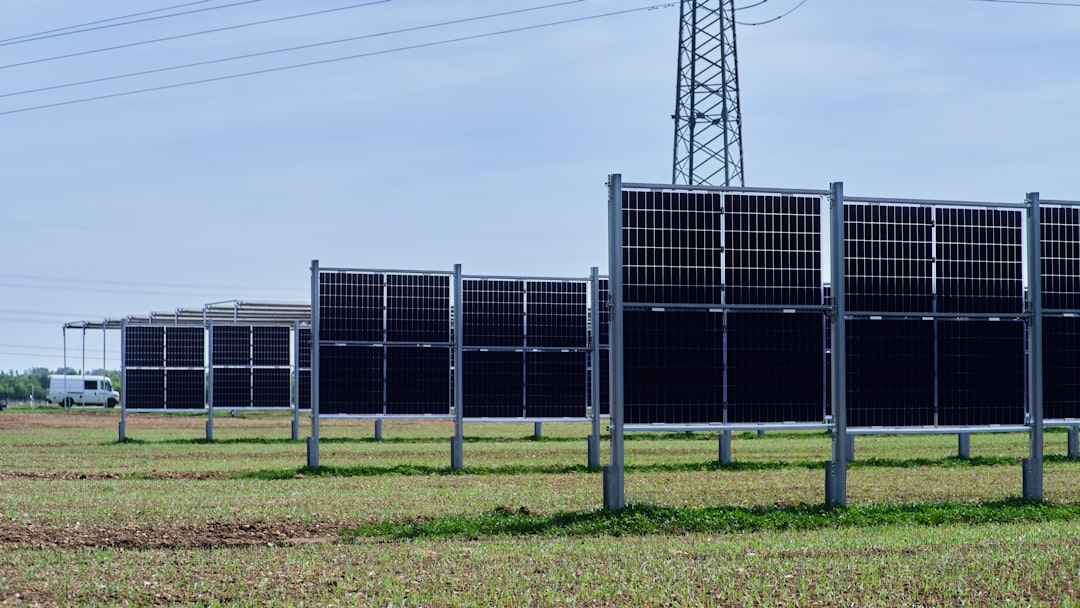
This escalating demand places significant pressure on the existing energy grid, prompting calls for increased power generation. While renewable energy sources like solar and wind are growing, their intermittency often necessitates reliable baseload power, which coal and natural gas plants currently provide. The timing of the MATS repeal suggests an implicit strategy to ensure sufficient and affordable power generation capacity to meet the demands of the burgeoning AI sector, potentially at the expense of environmental quality.
Economic vs. Environmental Trade-offs
The central tension in this policy shift lies in the perceived trade-off between economic imperatives and environmental protection. Proponents of deregulation argue that easing pollution controls reduces operational costs for power plants, making electricity cheaper and more readily available. This, they contend, is crucial for fostering economic growth, supporting industrial expansion, and meeting the power needs of advanced technologies like AI, which are seen as vital for national competitiveness.
Conversely, environmental groups and public health organizations decry the repeal as a dangerous step backward. They argue that the long-term costs of increased pollution—manifesting in higher healthcare expenses, decreased productivity due to illness, and environmental degradation—far outweigh any short-term economic benefits. They advocate for investment in cleaner energy technologies and stringent regulations to ensure that economic growth does not come at the expense of public health and ecological integrity.
Public Sentiment
Public discourse around these developments is sharply divided. Environmental advocacy groups have voiced strong opposition, condemning the deregulation as a threat to public health and a setback in the fight against pollution. They emphasize the proven dangers of mercury and other toxics, urging for a renewed commitment to clean air and water. Industry stakeholders, particularly within the energy sector, have largely supported the policy change, citing the need for regulatory flexibility to maintain reliable and affordable power generation in the face of rising demand. The general public remains split, with some prioritizing economic expansion and energy stability, while others express deep concern over potential health impacts and the erosion of environmental safeguards.
Conclusion
The Trump administration's repeal of Mercury and Air Toxics Standards, set against the backdrop of soaring energy requirements from the AI industry, marks a significant juncture for U.S. environmental and energy policy. This decision highlights a recurring national debate: how to balance the demands of economic and technological advancement with the imperative of safeguarding public health and environmental quality. As the nation moves forward, the repercussions of this policy shift will undoubtedly be closely scrutinized, shaping not only the energy grid but also the health and environmental future of its citizens.