The chill of a Sunday morning turned into a nightmare in Bihta as a speeding truck, an instrument of death, violently ended the lives of five individuals and left three critically injured. This wasn't an isolated incident; it was a brutal punctuation mark in a series of similar tragedies plaguing Bihar. The narrative is disturbingly familiar: an auto-rickshaw, a symbol of affordable public transport, crushed; lives extinguished 'on the spot'; families shattered. The fact that the victims were returning from the Maner Urs fair underscores the vulnerability of ordinary citizens simply going about their lives. This incident, following closely on the heels of a doctor couple losing their lives in Vaishali due to a parked truck in dense fog, and two young men, including an SSB jawan, in Araria due to a collision with a parked police jeep, paints a grim picture of a state grappling with an epidemic of road fatalities.
Key Takeaways:
-
Recent Bihar accidents highlight a severe road safety crisis demanding immediate attention.
-
Speeding, reckless driving, and woefully inadequate enforcement are primary culprits behind these preventable tragedies.
-
Systemic issues in infrastructure, driver training, vehicle maintenance, and safety protocols for late-night travel remain unaddressed.
-
Accidents have devastating human and community costs, often impacting entire families and pushing survivors into despair.
-
Urgent, multi-faceted policy interventions are required, along with sustained political will and community engagement, to prevent further loss of life.
The Unrelenting Toll of Recklessness
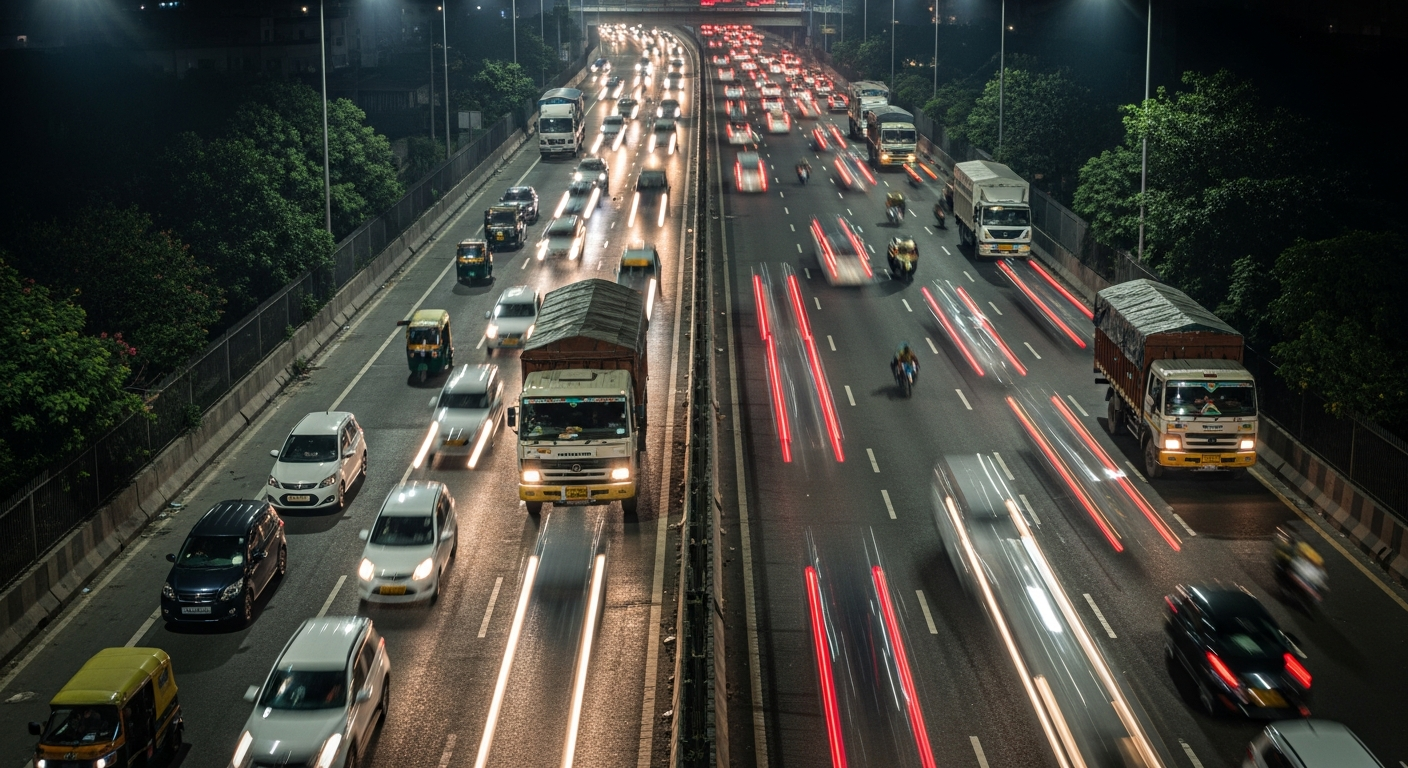
While the immediate finger often points to 'speeding' and 'out-of-control' vehicles, a deeper analysis reveals a confluence of systemic failures. Enforcement, particularly during late-night hours when many commercial vehicles operate with impunity, appears woefully inadequate. The fleeing driver in the Bihta case is a common trope, indicative of a perceived lack of accountability that emboldens offenders. Beyond enforcement, the very infrastructure of our highways demands scrutiny. Are roads adequately lit? Are proper rest stops available for long-haul drivers? Is vehicle maintenance strictly regulated? The 'dense fog' mentioned in the Vaishali accident, while a natural phenomenon, highlights the need for better road markings, reflective signage, and stricter speed limits adapted to adverse conditions. The parked container truck and police jeep also raise critical questions about roadside safety protocols and emergency parking.
A Culture of Complacency?
It's not just about the drivers; it's about a collective societal complacency. From inadequate driver training and licensing standards to a pervasive disregard for traffic rules, India grapples with a deeply ingrained culture that often undervalues road safety. Passengers often remain silent spectators to reckless driving, and public outcry, while immediate, often fades until the next tragedy. This cycle of shock, brief outrage, and eventual forgetfulness allows dangerous practices to persist. 'The accident scene was filled with panic, screams, and chaos,' as eyewitnesses recount, but this immediate trauma must translate into sustained pressure for change, not just fleeting horror. The official confirmation of an investigation to trace the fleeing driver, while necessary, feels like a drop in the ocean compared to the systemic overhaul required.
The Human Cost and Community Impact
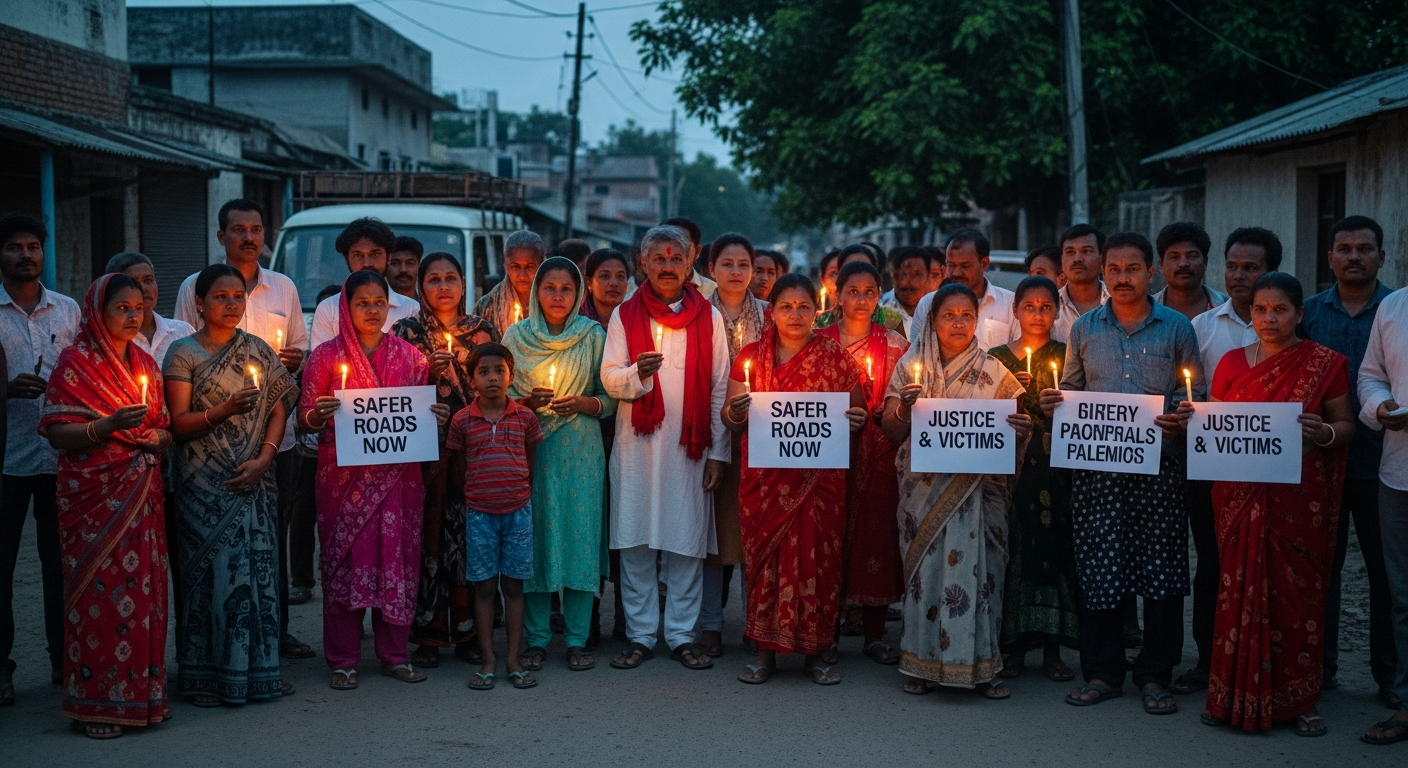
Behind every statistic is a human story of devastating loss. Five members of the same family, including two women, gone. Three others, including two children, fighting for their lives in PMCH. These are not just numbers; they are the fabric of a community torn apart. The financial and emotional burden on surviving family members is immense, often pushing them into poverty and despair. These tragedies echo through generations, leaving indelible scars. The Maner Urs fair, a place of spiritual gathering, turned into a tragic farewell, symbolizing how quickly joy can turn to sorrow when safety is compromised. Each accident is a profound rupture in the lives of countless individuals, a stark reminder of the urgent need for robust preventative measures.
Public Sentiment
Locals, often the first responders, speak of a profound sense of helplessness mixed with anger. 'How many more must die before something truly changes?' one resident was heard asking, encapsulating the pervasive frustration. There's a palpable demand for immediate action: 'Trace the driver, yes, but also fix the roads, control the speed, and make sure these drivers are properly trained and held accountable,' echoed another. The collective sentiment is a desperate plea for a future where returning home from a family outing doesn't become a gamble with death. There's a growing fatigue with empty promises and a genuine yearning for tangible, impactful policy changes that prioritize human life above all else.
Conclusion
The recent spate of accidents in Bihar is more than a series of unfortunate events; it is a clear symptom of a broader crisis demanding urgent, multi-pronged intervention. From stringent enforcement of traffic laws and regular vehicle checks to investing in safer road infrastructure and comprehensive public awareness campaigns, the path forward is clear. It requires sustained political will, community engagement, and a collective refusal to accept these tragedies as inevitable. The time for reactive measures is over. Rusty Tablet stands in solidarity with the victims and their families, and calls upon authorities to implement systemic changes now, ensuring that the vibrancy of life in Bihar is not constantly overshadowed by the shadow of avoidable deaths on its roads.