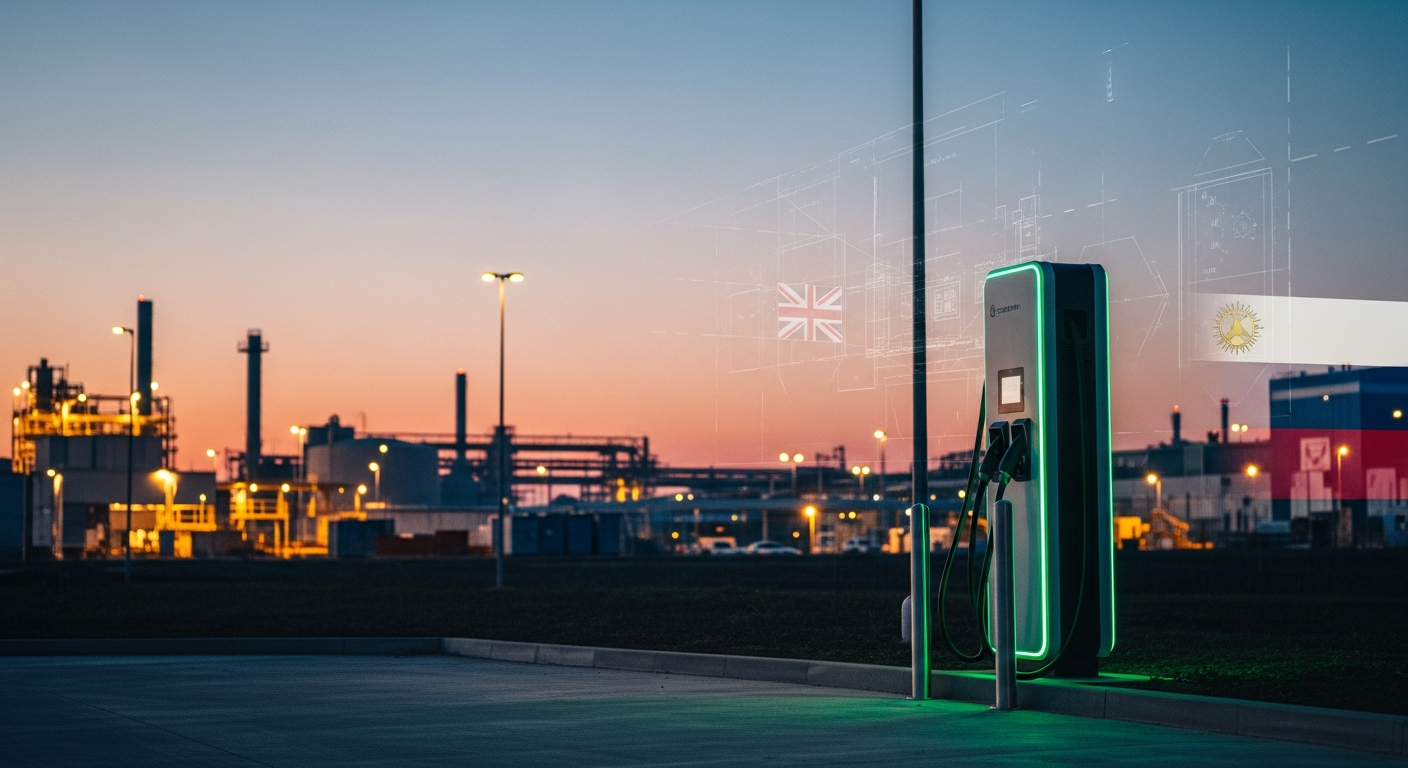
The National Electric Vehicle Infrastructure (NEVI) program, a cornerstone of the Bipartisan Infrastructure Law, was conceived with a clear objective: to establish a robust, interconnected network of 500,000 EV charging stations across the United States by 2030. Backed by $5 billion in federal funding, NEVI is critical to alleviating range anxiety, a primary barrier to widespread EV adoption. Its design encouraged states to develop comprehensive charging plans, ensuring accessibility along major corridors and in underserved communities. The program’s success is not merely about convenience; it’s pivotal for meeting climate goals, reducing fossil fuel dependence, and positioning the US as a leader in green technology.
From Funding Freeze to "Buy American": A Pattern of Obstruction
The current "Buy American" mandate is not an isolated policy decision but rather the latest in a series of actions aimed at decelerating EV infrastructure development. Earlier, the former administration attempted to freeze the $5 billion allocated to the NEVI program. This move, which was met with legal challenge, was ultimately overturned by a federal judge, who ordered the government to release the funds. Undeterred, the administration, through the US Department of Transportation, unveiled a new strategy: mandating that all federally funded EV chargers must be built in the US, with components also originating domestically. This requirement significantly tightens existing "Buy American" provisions, which typically allow for a certain percentage of foreign components.

The Practicalities and Perils of Domestic-Only Production
Implementing an immediate "Buy American" stipulation for EV chargers and all their sub-components presents a formidable challenge. While the long-term goal of fostering domestic manufacturing capacity is laudable, the current global supply chain for advanced electronics and specialized components is complex and deeply integrated. Many critical parts, from power semiconductors to specific types of cabling and displays, are primarily sourced from international suppliers, particularly in Asia.
Forcing an overnight shift to 100% domestic sourcing could lead to several immediate problems:
-
Supply Chain Disruption: Companies currently reliant on established international supply lines would face immense pressure to re-tool, re-source, or build new manufacturing facilities from scratch, a process that takes years, not months.
-
Increased Costs: Domestic production, especially for nascent industries or those without economies of scale, is often more expensive. These higher costs could either be passed on to consumers or reduce the number of chargers built within the allocated budget.
-
Delays and Bottlenecks: The scarcity of domestically produced components and the time required to ramp up production could cause significant delays in charger deployment, effectively stalling the NEVI program's ambitious timeline.
-
Technological Lag: A strict "Buy American" policy could inadvertently limit access to cutting-edge technologies developed abroad, potentially putting US infrastructure at a disadvantage.
Balancing National Interests with Rapid Deployment
The policy highlights a classic tension between two competing national interests: supporting domestic industry and job creation, versus the urgent need for rapid infrastructure deployment to meet environmental and technological goals. Proponents of the "Buy American" rule argue it stimulates the US economy, creates high-paying manufacturing jobs, and enhances national security by reducing reliance on foreign supply chains. However, critics contend that in a rapidly evolving sector like EVs, immediate and rigid protectionism can be counterproductive, hindering innovation and slowing down the transition to a greener economy. The current directive risks prioritizing industrial policy over the pace of decarbonization.
Public Sentiment
"While boosting local manufacturing is a good idea in principle, demanding 100% domestic components overnight for EV chargers feels more like a tactic to slow things down than a genuine industrial strategy. Our climate goals need swift action, not policy-induced bottlenecks." – Industry Analyst, Mumbai
"This move is essential for building a robust domestic supply chain and creating jobs right here at home. We can't rely indefinitely on foreign parts for critical infrastructure. It might take time, but it's an investment in our future." – Manufacturing Advocate, Delhi
"As an EV owner, I'm already struggling with charging availability on long routes. If this new rule means fewer chargers get built or they take even longer to appear, it undermines the whole point of investing in EVs. We need chargers now, not years from now." – EV Consumer, Bengaluru
Conclusion
The former US administration's "Buy American" mandate for EV charging infrastructure, following previous attempts to freeze funding, introduces significant uncertainty into the trajectory of the National Electric Vehicle Infrastructure program. While aiming to foster domestic manufacturing and economic independence, the immediate and stringent nature of the requirement threatens to derail the swift build-out of a crucial network. For India and other nations observing global clean energy transitions, this situation serves as a critical case study in the complex interplay between industrial policy, infrastructure development, and climate objectives. The challenge now lies in navigating these mandates without sacrificing the urgent imperative to accelerate the shift towards sustainable transportation.
Key Takeaways
-
Policy Shift: The US Department of Transportation has introduced a "Buy American" rule for EV charging infrastructure, requiring US-made chargers and components for federal funding.
-
Funding Stalled: This move follows previous attempts to freeze $5 billion in NEVI program funds, highlighting a persistent policy resistance to the rapid deployment of EV charging.
-
Infrastructure Impact: The new requirement is anticipated to significantly slow down the deployment of charging stations due to immediate domestic manufacturing limitations and supply chain complexities.
-
Economic Implications: While aiming to bolster domestic industry, the policy could increase costs and create bottlenecks, potentially delaying EV adoption targets.
-
Global Relevance: The US policy has implications for global trade and the international push for sustainable transportation, as other nations observe its effectiveness and challenges.