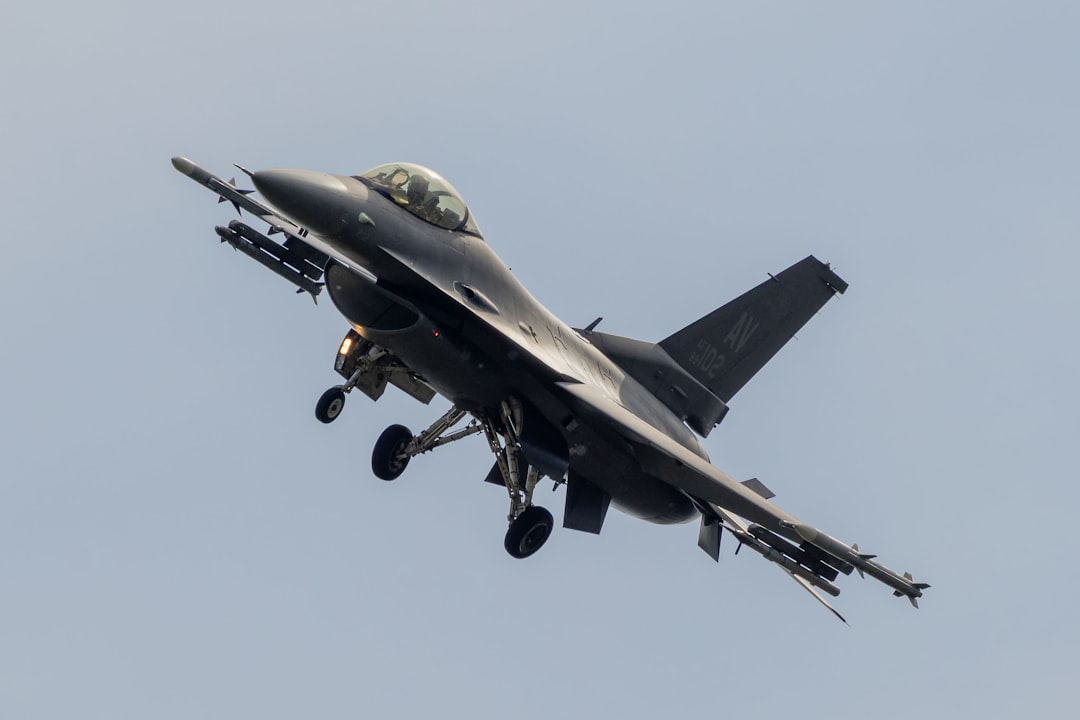
US Air Force Pilot Pay: A Deep Dive Into Military vs. Commercial Aviation Earnings
[FEATURED]
Becoming a pilot in the US Air Force is often seen as a prestigious and financially secure career path, a perception largely accurate thanks to a blend of salary, benefits, and incentives. However, a deeper analysis reveals a nuanced financial landscape, particularly when compared to the lucrative opportunities available in commercial aviation. This comparison is vital for anyone considering the demanding, yet rewarding, journey of a pilot.
Key Takeaways
-
Competitive Military Compensation: US Air Force pilots can achieve six-figure salaries within their first decade of service, supplemented by extensive benefits like free medical, housing allowances, and robust retirement plans.
-
Significant Retention Bonuses: To counter pilot shortages, the Air Force offers substantial retention bonuses, potentially adding up to $600,000 over 12 years.
-
Higher Commercial Earning Potential: Commercial airline pilots, especially at major carriers, often achieve significantly higher earning ceilings, with senior captains exceeding $550,000 annually before bonuses.
-
Rigid Military Structure vs. Civilian Flexibility: Military careers follow a structured promotion ladder with an 'Up or Out' policy and lifestyle sacrifices, while commercial aviation offers seniority-based progression and greater personal flexibility.
-
Seamless Transition Programs: The FAA recognizes military training, and airlines actively recruit veterans through dedicated programs, providing clear pathways for Air Force pilots to transition to commercial cockpits.
The Financial Landscape for US Air Force Pilots
On paper, the initial base pay for a US Air Force pilot may appear modest. A new Second Lieutenant (O-1) starts at roughly $49,800 annually. However, many career officers can earn over six figures within their first decade of service. A Captain (O-3) with four years of service, for example, earns about $88,560 a year. Beyond base salary, pilots receive additional monthly flight pay, starting at $150 and reaching up to $1,000 for senior roles.
The true financial strength of a military pilot's career lies in its comprehensive benefits package. This includes full, free medical coverage for pilots and their families, and untaxed allowances for housing (ranging from $1,800 to over $3,000 monthly) and food. These untaxed benefits significantly boost take-home pay. Long-term financial security is further enhanced by a robust military retirement fund, offering 50% or more of base pay after 20 years. Moreover, to combat pilot shortages, the Air Force offers substantial retention bonuses, with commitments potentially yielding an additional $600,000 over 12 years, translating to $15,000 to $50,000 in extra annual pay.
Commercial Aviation: A Different Trajectory
While military pay is competitive, commercial airlines, particularly major legacy carriers, offer significantly higher earning potential. Commercial pilot pay is primarily based on hourly flight rates, often with a guaranteed minimum of 70 hours per month. Senior captains at major airlines can command more than $450 per hour, with top-tier captains flying international widebody routes potentially exceeding $550,000 annually before bonuses by 2026. Many airlines also provide substantial retirement contributions, such as Delta Air Lines' 17-18% direct 401k contribution.
Regional airlines, serving as feeders for major carriers, have also seen compensation surge due to pilot shortages. First-year First Officers (FOs) at top regionals now typically earn between $90,000 and $120,000 annually, with sign-on bonuses ranging from $15,000 to over $200,000. These roles can lead to Captain upgrades in as little as 2-4 years, considerably faster than the typical 8-15 years at major airlines.
Career Progression and Lifestyle Trade-offs
The military career path for pilots is characterized by a rigid, predictable promotion schedule. Officers are promoted on a nearly identical schedule for the first several years, reaching Captain (O-3) within four years of commissioning. Promotion to Major (O-4) marks the first competitive selection, typically occurring between nine and eleven years of service. This structure entails an 'Up or Out' policy, where failure to promote twice can lead to required separation. Military pilots are officers first, pilots second, often assigned collateral administrative duties, and face frequent relocations every two to four years, plus six-to-twelve-month deployments.
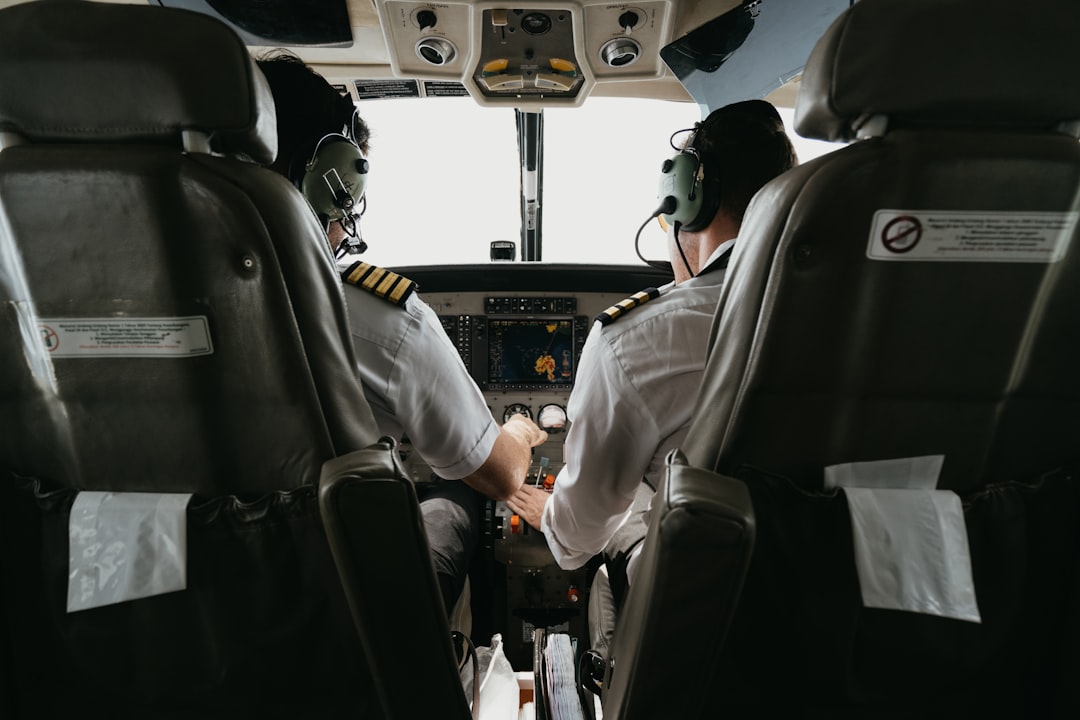
Conversely, a civilian airline career offers greater flexibility. Promotion to Captain is based purely on seniority and desire, without competitive boards. Pilots are not locked into locations or missions and can choose to remain a First Officer if preferred. An airline pilot's job largely concludes upon landing, with minimal extra office duties or mandatory volunteer work, offering a distinct work-life balance compared to the military.
Crossing Over: Military to Commercial Transition
The transition from military to commercial aviation is a well-trodden and supported route. The Air Force provides world-class flight training and extensive flight hours, making its pilots highly qualified. The Federal Aviation Administration (FAA) recognizes military training as equivalent to civilian commercial requirements, often requiring only a single written exam (the Military Competence Commercial knowledge test) for military pilots to obtain their civilian certificate.
Major airlines actively recruit veterans through specialized programs like United Airlines' Aviate and Southwest's Destination 225, designed to integrate experienced military leaders into civilian cockpits. The Department of Defense SkillBridge program also allows pilots to complete civilian training during their last 180 days of service. For military helicopter pilots, Rotor Transition Programs (RTPs) with airlines like Frontier or Piedmont assist in acquiring fixed-wing ratings, often with significant financial incentives and tuition reimbursement, with FAA Rule 14 CFR 61.160 requiring only 750 total flight hours for a Restricted Airline Transport Pilot (R-ATP) certificate.
Public Sentiment: The Weight of Choice
Conversations surrounding military and commercial pilot careers frequently highlight the complexity of the decision. Many acknowledge the unparalleled training and immediate stability offered by the military, yet express concern over the 'Catch 22' aspects—the rigid structure, mandated service obligations of 10-12 years post-flight school, and significant lifestyle sacrifices. The appeal of commercial aviation often centers on its higher earning ceiling, greater work-life balance, and control over one's career trajectory. The consensus points to a highly personal choice, weighing patriotism and comprehensive benefits against financial maximization and personal freedom.
Conclusion
The choice between a career as a US Air Force pilot and a commercial aviator is multifaceted, without a universally 'better' option. The Air Force offers an incredible foundation, covering all training costs and providing a secure path to a respectable six-figure income with unparalleled benefits and the honor of service. However, it demands significant personal and professional sacrifices, including adherence to a rigid 'Up or Out' system and extensive administrative duties in senior roles. Commercial aviation, while potentially requiring an initial investment for those without a military background, offers a higher earning potential, greater lifestyle flexibility, and career autonomy. For many, the optimal path involves leveraging the military's world-class training and experience to later transition into the high-earning, flexible world of commercial airlines, effectively combining the best of both worlds.