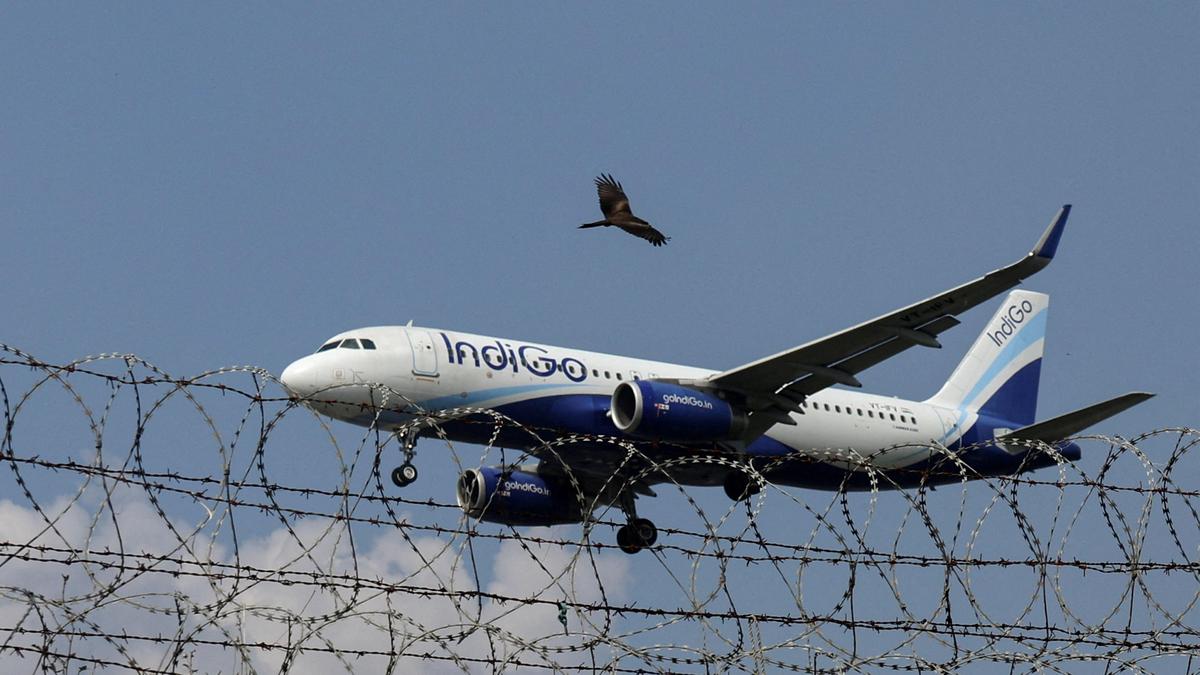
IndiGo's Turbulent Descent: Profit Plunge Reveals Deeper Operational Woes Amidst Flying Chaos
[FEATURED]
Key Takeaways
-
IndiGo's Q3 profit plummeted by 78% year-on-year, settling at a mere ₹549.1 crore for the three months ended December 2025.
-
Despite the significant profit dip, InterGlobe Aviation, IndiGo's parent company, actually saw a rise in total income to ₹24,540.6 crore, indicating that operational inefficiencies and increased costs, not revenue decline, are the primary culprits.
-
The drastic reduction in profitability is directly attributed to the "massive flight disruptions" that plagued the airline throughout December 2025.
-
The Directorate General of Civil Aviation (DGCA) intervened, curtailing IndiGo's winter schedule by 10% until February 10, highlighting the severity and regulatory concern over the airline's operational failures.
-
This episode underscores the critical challenge for Indian aviation: maintaining consistent operational reliability amidst aggressive expansion in a booming market.
Main Analysis: Unpacking the Turbulence
The Unsettling Numbers: Revenue Up, Profit Down
When India's largest airline, IndiGo, announced its Q3 results for the period ending December 2025, the headline figure – a 78% decline in profit – sent ripples through the market. From a robust ₹2,448.8 crore in the year-ago period, profit crashed to a mere ₹549.1 crore. This stark reversal immediately invites scrutiny, especially when juxtaposed with the fact that its total income actually rose from ₹22,992.8 crore to ₹24,540.6 crore. This disconnect between a rising top-line (income) and a crashing bottom-line (profit) is a strong indicator of operational inefficiencies and inflated costs, likely stemming from the very disruptions that plagued its December schedule.
The operational environment during the quarter, marked by unforeseen challenges, forced IndiGo to incur significant expenses. These could include costs associated with passenger compensation, re-routing of flights, increased fuel burn due to delays, unscheduled maintenance, and potential penalties. While the airline continues to attract flyers, its ability to convert that demand into sustainable profit has been severely compromised by its recent operational woes.
December's Dark Cloud: A Cascade of Disruptions
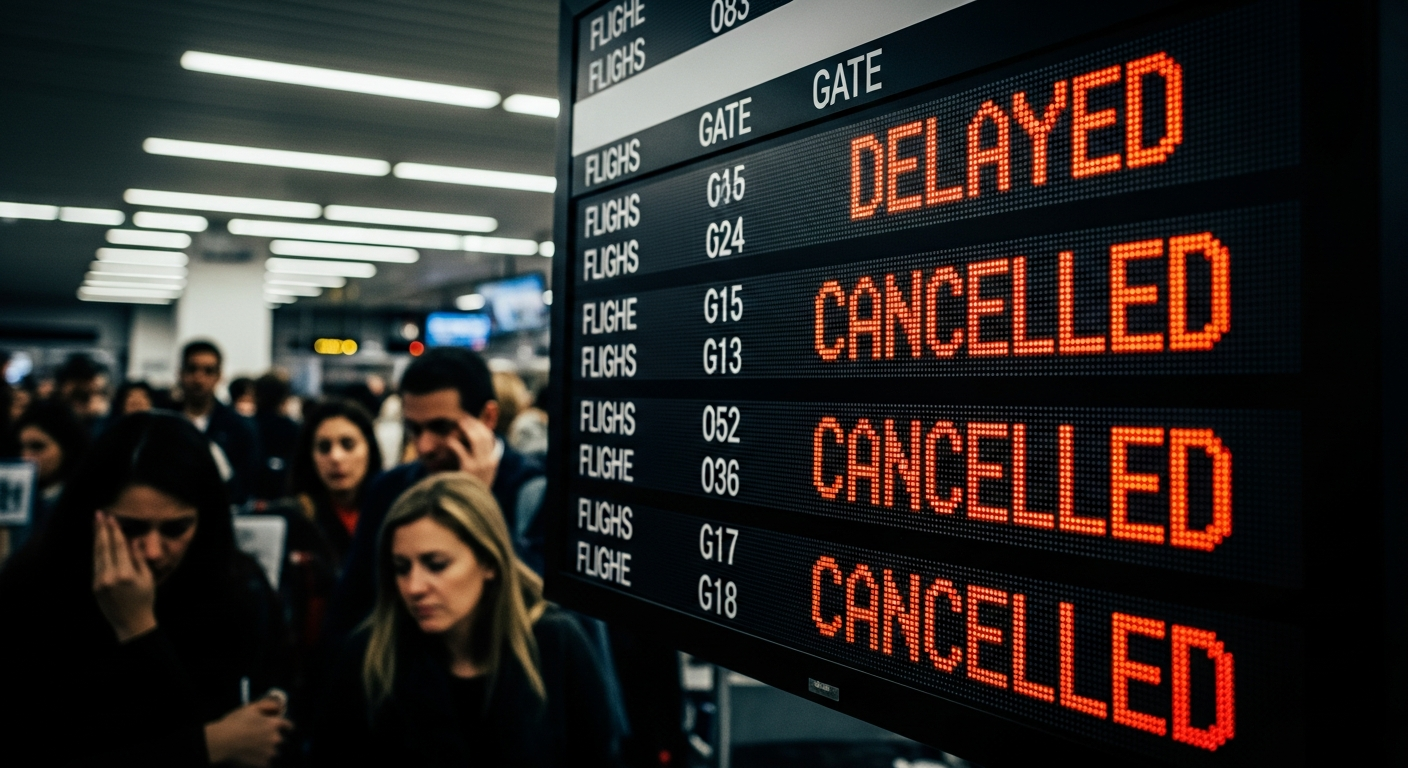
The profit plunge isn't an isolated event; it's a direct consequence of the "massive flight disruptions" IndiGo faced in December 2025. While the official statement from IndiGo on Thursday (January 22, 2026) was concise, the lived experience of millions of passengers during that period was anything but. From widespread delays stretching into hours to outright cancellations, the airline's operational fabric frayed under the strain. Passengers reported being stranded at airports, missing crucial connections, and seeing their holiday plans crumble. While challenging weather conditions like dense fog are perennial hurdles for Indian aviation, the scale and persistence of IndiGo’s issues suggested underlying vulnerabilities in its preparedness, resource allocation, and contingency planning. The sheer volume of disruptions pointed towards a systemic rather than an episodic problem, eroding passenger confidence and placing immense pressure on the airline's ground staff and crew.
Regulatory Scrutiny and a Curtailed Future
The ripple effect of IndiGo's operational breakdown extended beyond disgruntled passengers and financial statements. The Directorate General of Civil Aviation (DGCA) did not mince words, intervening to curtail the airline's winter schedule by a significant 10% until February 10. This isn't just a symbolic gesture; it's a direct, forceful intervention designed to compel the airline to recalibrate its ambitious flight plans with its actual operational capacity. The DGCA’s action implies a recognition that IndiGo may have been overstretching its resources, leading to an untenable situation for both the airline and its customers. This regulatory curtailment will undoubtedly impact future revenue streams and further complicate the airline's operational planning for the coming months, adding another layer of challenge to its recovery path.
The Broader Aviation Context: Growth vs. Reliability
IndiGo's predicament serves as a potent case study for the broader Indian aviation sector. India's skies are busier than ever, reflecting robust economic growth and a burgeoning middle class eager to fly. However, this rapid expansion often outpaces critical infrastructure development and airline operational resilience. While airlines aggressively add routes and aircraft, the ecosystem – including air traffic control, ground handling, and adequate maintenance capacity – must keep pace. IndiGo, as the market leader, bears the brunt of these systemic pressures, but its challenges highlight a latent fragility across the industry. The question looms: can Indian aviation continue its impressive growth trajectory without compromising the fundamental promise of reliable, customer-centric service?
Public Sentiment: A Chorus of Frustration

For the ordinary Indian traveller, IndiGo's operational meltdown translated into profound frustration and economic loss. On social media platforms, the frustration was palpable. Hashtags like #IndiGoCrisis and #Flightmare trended for days, filled with accounts of stranded families, missed business meetings, and cancelled holiday plans. Passengers recounted stories of being left without clear information, struggling to rebook, or facing unresponsive customer service. "We pay for a service, not a lottery of whether our flight will actually depart," lamented one frustrated passenger on X (formerly Twitter). Another added, "It's not just the delay; it's the complete lack of communication and respect for our time." The sentiment was clear: while IndiGo prides itself on affordability, its recent performance came at an unacceptable cost to passenger trust and convenience.
Conclusion: A Critical Juncture for India's Largest Airline
IndiGo's Q3 performance is a stark reminder that scale without resilience is a precarious foundation. The dramatic 78% profit plunge, despite rising revenue, clearly illustrates the costly repercussions of operational failures. The airline, once a symbol of efficiency and punctuality in Indian aviation, now faces the unenviable task of not just stemming financial losses but, more importantly, rebuilding the shattered trust of millions of passengers and regaining the full confidence of regulators. The DGCA's intervention is a clear signal that the industry cannot prioritize aggressive expansion over fundamental service delivery. The coming quarters will be a critical test for IndiGo – a period where strategic recalibration, transparent communication, and a renewed focus on operational excellence will be paramount if it is to reclaim its position as a reliable and profitable leader in India's vibrant, yet challenging, aviation landscape.