Key Takeaways
-
Renewed Demand: Global conflicts and increased defense budgets are driving demand for heavy-lift aircraft, with several nations expressing interest in the C-17.
-
Unmatched Capabilities: The C-17 offers unique strategic airlift capabilities—carrying large payloads over long distances and operating from austere runways—that current Western-built alternatives cannot fully match.
-
Significant Hurdles: Restarting production would be costly and complex, requiring new manufacturing facilities and substantial confirmed orders, likely including US Air Force involvement.
-
Existing Fleet Longevity: The current fleet of 275 C-17s remains critical for global operations, with an expected service life extending to 2070, necessitating sustainment and modernization programs.
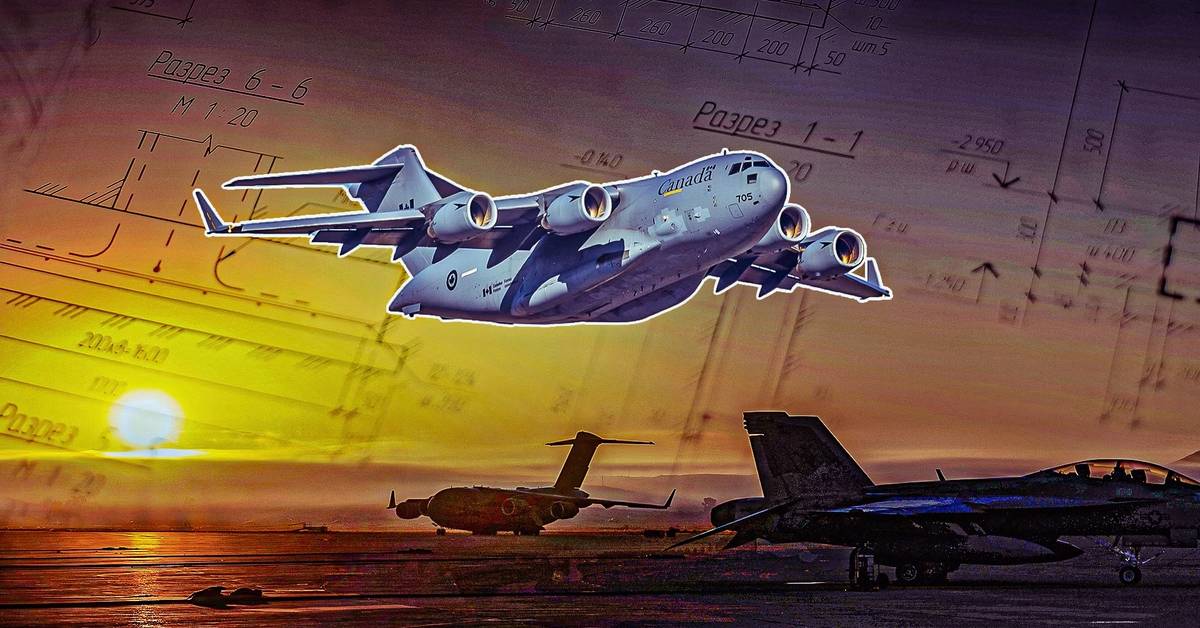
The Boeing C-17 Globemaster III, a four-engine military transport aircraft, has been a cornerstone of strategic airlift operations since its introduction in the 1990s. Its ability to ferry immense payloads across vast distances and land on short, unprepared runways made it invaluable in diverse operational theaters, from conflict zones to humanitarian relief missions. Despite its operational prowess, production of the C-17 concluded in 2015, a decision primarily driven by a decline in new orders and the stringent budget constraints imposed by the 2011 Budget Control Act. The Department of Defense explicitly stated in its 2010 budget request that it did not require additional C-17s, leading Boeing to wind down operations at its Long Beach, California plant.
Surging Global Demand Revives Interest
Fast forward to today, and the global landscape has shifted dramatically. Heightened geopolitical tensions, particularly conflicts in Ukraine and unrest in the Middle East, have underscored the critical need for robust strategic airlift capabilities. As a result, defense budgets are on the rise across Europe, Asia-Pacific, and the Middle East, with many countries actively seeking to enhance their air transport fleets.
The existing C-17 fleet, particularly that of the United States Air Force (USAF), has seen intensive use in operations ranging from Afghanistan to the Indo-Pacific. This accelerated wear and tear has prompted internal discussions within the USAF about the necessity of acquiring more aircraft before a next-generation replacement becomes viable. This internal debate, coupled with external interest, has put the C-17 back in the spotlight.
Boeing has reportedly received inquiries from several nations that missed the opportunity to secure orders before the original production lines closed. Turbo Sjogren, Vice President and General Manager of Boeing Global Services-Government Services, confirmed during the 2025 Paris Air Show that “early infancy” talks were underway with at least one interested country. Previously, nations like Japan and Saudi Arabia had expressed strong interest, with Saudi Arabia reportedly coming “very close” to confirming an order before production ceased.
The Unmatched Capability Gap
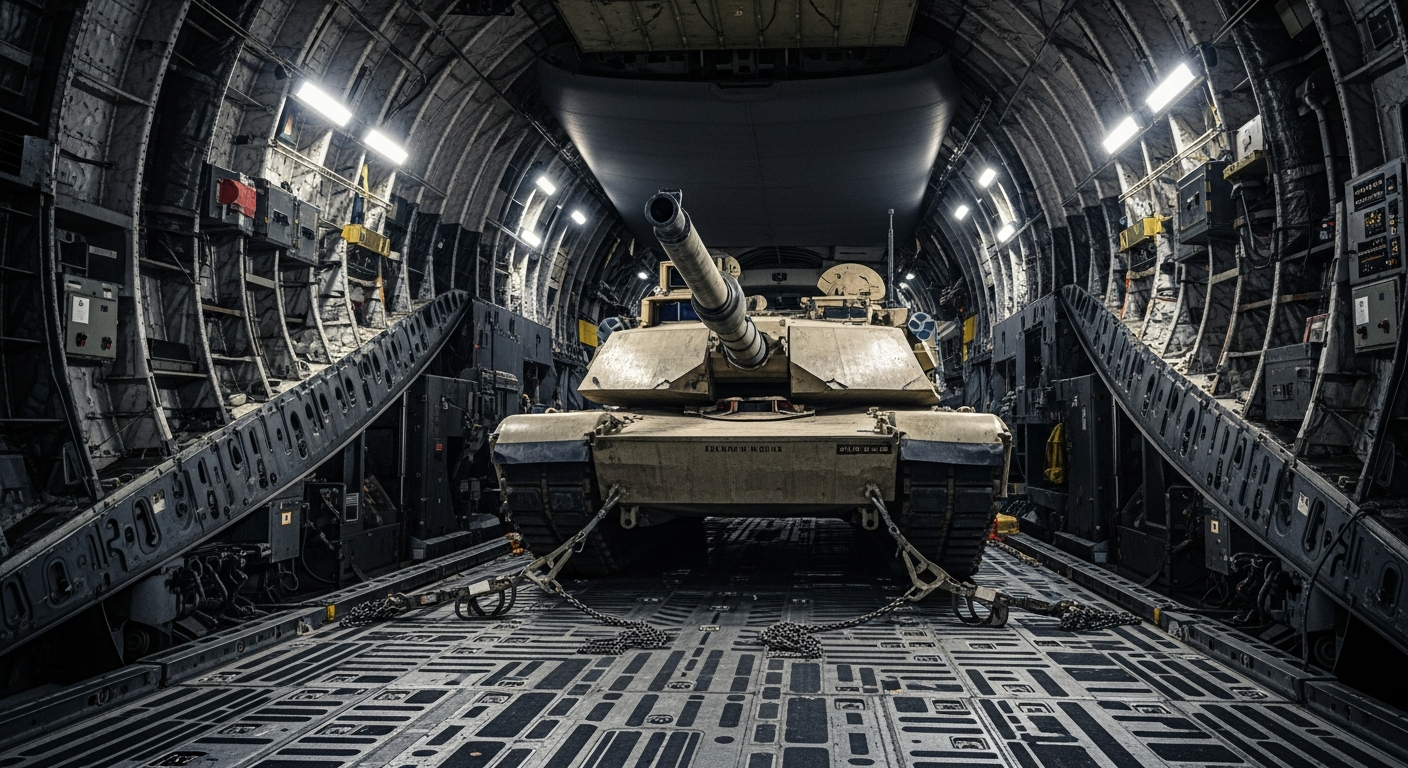
A significant driver behind this renewed demand is the distinct lack of a direct Western-built alternative that can replicate the C-17’s unique capabilities. The Globemaster III is engineered to carry up to 164,900 pounds of cargo, including heavy items like an M1 Abrams main battle tank, over 4,500 nautical miles, and crucially, operate from runways as short as 3,500 feet and just 90 feet wide.
While aircraft like the Airbus A400M and Embraer C-390 Millennium serve important tactical and medium-lift roles, they fall short of the C-17's strategic heavy-lift capacity. The A400M, for instance, can carry 30,000 pounds over 2,400 NM, making it effective for many tactical missions but not a direct C-17 replacement. Similarly, the C-390, often described as a jet-powered C-130, cannot transport the heaviest loads the C-17 is designed for. Boeing itself has stated it has no planned successor to the Globemaster III, further cementing its unique position.
Leadership Perspectives on a Potential Restart
Industry leaders acknowledge the enduring value of the C-17. Turbo Sjogren emphasized the aircraft's sustained relevance, stating, “That product [the C-17 Globemaster III] has been extremely successful and there is currently no planned replacement for that aircraft.” He noted that Boeing is actively engaged with the USAF and international operators on “an extension program, as well as a modernization program for that aircraft,” indicating a long-term commitment to the existing fleet's operational viability.
Sjogren also previously highlighted the lingering regret among potential customers: “There are a number of other customers who wish they had acquired it at the time...The C-17 is a product that does come up quite often. If we still had a lukewarm production line, there are a number of customers who have expressed interest.” These statements underscore the persistent market gap that the C-17 alone can fill.
Formidable Hurdles to a Production Resumption
Despite the significant interest, restarting C-17 production would be an arduous and costly undertaking. Boeing has publicly stated it currently lacks the manufacturing capability, as the Long Beach facilities were sold in 2018. The production lines have been idle since 2015, meaning any restart would necessitate entirely new arrangements for where and how to build the aircraft. A 2013 RAND Corporation study estimated the cost to restart production and support up to 150 improved derivatives at close to $8 billion, assuming manufacturing would occur at a new location.
The expected demand, likely in the dozens rather than hundreds, raises serious questions about the return on such a substantial investment. Building a new facility would be both expensive and time-consuming, even if existing production assets could be salvaged and relocated. Furthermore, the USAF is exploring future airlift concepts, such as Next Generation AirLift (NGAL) and blended-wing-body designs, which prioritize higher survivability—a requirement the C-17, in its current form, would likely not meet. For a restart to be economically feasible, significant foreign orders, potentially complemented by a crucial US Air Force commitment, would be essential.
The Enduring Legacy and Uncertain Future
As of last year, 275 C-17 Globemaster IIIs remain active in frontline service worldwide, out of 279 produced. The United States Air Force operates the largest fleet with 222 aircraft, while 52 are in service with other nations and the NATO Strategic Airlift Capability program. Operators such as Australia, Canada, India, Qatar, the UAE, and the United Kingdom continue to rely heavily on their C-17 fleets for critical missions, with none retired or scrapped apart from a single example lost in an accident. The existing fleet is projected to remain in service until 2070, highlighting its long-term strategic importance.
If Boeing proceeds, it would mark the first new C-17 aircraft in a decade. Such a decision hinges on confirmed orders, potential US involvement, and the establishment of a robust business case to overcome the immense restart costs. Without a significant volume of firm commitments, the challenges remain substantial. The C-17’s proven track record, extensive operator base, and unmatched heavy-lift capabilities certainly make a compelling case for a second production run, but for now, its return to manufacturing remains a complex and uncertain proposition. In the interim, the existing fleet will continue to bear the load for global airlift operations, maintaining the type's vital role for decades to come.