Key Takeaways
-
Berlin Brandenburg Airport temporarily halted all departures due to severe freezing rain and snow.
-
The primary challenge was the inability to effectively de-ice aircraft as rain rapidly turned to ice upon contact.
-
Disruptions extended beyond aviation, impacting regional road and rail networks in eastern Germany.
-
The incident highlights the growing vulnerability of critical infrastructure to increasingly extreme and unpredictable weather patterns.
-
It underscores the urgent need for enhanced weather forecasting, adaptive operational protocols, and significant investment in airport resilience worldwide.
The Unforeseen Onslaught: Berlin's Grounding
Thursday morning brought an abrupt cessation of air travel at Berlin Brandenburg Airport (BER), as a treacherous mix of snow and freezing rain swept across the region. This sudden meteorological event forced airlines to implement widespread delays and cancellations, grounding numerous departing flights and throwing travel plans into disarray for thousands of passengers. The airport's official communication early in the day confirmed that no takeoffs were possible, urging passengers to directly consult their respective airlines for real-time flight status updates. While departures did resume later in the morning, the initial hours of paralysis cast a spotlight on the inherent vulnerabilities of even modern, sophisticated airport operations against the might of nature. Regional public broadcaster RBB further elucidated the core problem: the relentless rain, instantly solidifying into ice, rendered conventional de-icing procedures largely ineffective, creating an insurmountable barrier to safe takeoff.
Beyond the Tarmac: Regional Cascades
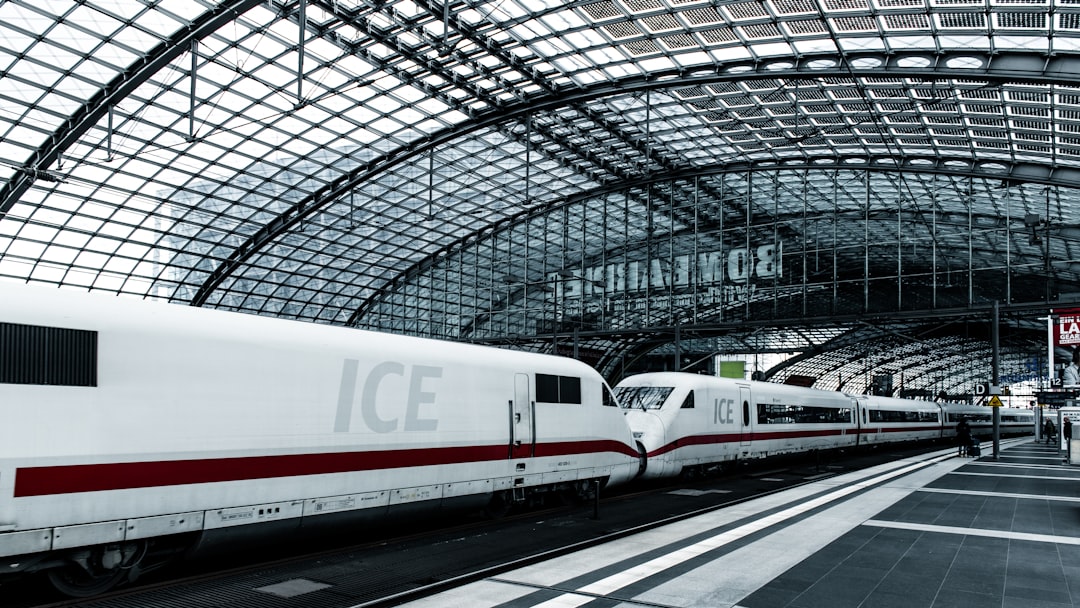
The impact of the inclement weather was not confined to BER's runways. The same challenging conditions – snow and freezing rain falling throughout the night and morning – extended their grip across eastern Germany. This created a domino effect, causing significant disruptions for ground transportation as well. Roads became treacherous, leading to slowdowns and accidents, while rail services also reported delays and cancellations. This wider regional impact emphasizes the interconnectedness of modern infrastructure systems; a single point of failure, even if localized to an airport, can trigger far-reaching consequences across an entire transportation network. For logistical planners and commuters alike, such events underscore the critical need for integrated contingency strategies that consider multi-modal impacts.
Global Resonances: A Call for Aviation Resilience
The Berlin incident, while geographically specific, carries profound global implications. In an era marked by increasingly erratic weather patterns attributed to climate change, the aviation industry faces a persistent and evolving set of challenges. From intense fog in Delhi to monsoon-driven disruptions in Mumbai, or snowstorms across North American hubs, airports worldwide are constantly battling nature's caprices. The freezing rain event in Berlin serves as a poignant reminder that operational resilience is not merely a desirable trait but an existential necessity. Airports, as critical economic arteries, must continually invest in advanced meteorological forecasting, state-of-the-art de-icing technologies, and flexible operational protocols that can adapt swiftly to rapidly changing conditions.

Operational Imperatives: The De-icing Dilemma
The core of Berlin's operational challenge lay in the specific nature of the precipitation. Freezing rain, which falls as liquid and freezes upon impact with cold surfaces, presents a particularly difficult scenario for de-icing. Unlike snow or sleet, which can be mechanically removed or treated with fluids, freezing rain's instant solidification makes it incredibly challenging to maintain a clean surface. Aircraft de-icing involves spraying heated glycol-based fluids to remove ice and prevent its re-formation for a short period. However, if freezing rain continues to fall, the protective window of the de-icing fluid is quickly overwhelmed, leading to renewed ice accumulation before an aircraft can even reach the runway. This situation demands a re-evaluation of current de-icing technologies and procedures, perhaps exploring advanced anti-icing coatings or more rapid application systems, alongside more precise, real-time weather monitoring on the tarmac itself.
The Passenger Experience and Economic Echoes
While the focus often remains on operational mechanics, the human and economic dimensions of such disruptions are substantial. Passengers, often on tight schedules for business or personal commitments, face the stress of delays, missed connections, and the uncertainty of travel. The airport's request for passengers to check directly with airlines is standard procedure, but the underlying frustration is palpable. From an economic perspective, flight cancellations represent significant costs for airlines, including fuel, crew salaries, rebooking expenses, and potential loss of future business. Beyond the immediate airline industry, disruptions to a major hub like Berlin can have ripple effects on regional economies, affecting tourism, business travel, and cargo logistics. A supportive approach, therefore, involves not only operational improvements but also enhanced communication strategies to manage passenger expectations and minimize stress during unforeseen events.
Charting the Course Forward: Lessons from Berlin
The incident at Berlin Brandenburg Airport, though challenging, offers invaluable lessons for the global aviation community. It underscores the importance of multi-faceted preparedness: from investing in cutting-edge weather prediction and de-icing technologies to developing agile contingency plans that can be activated instantly. Collaborative efforts between airport authorities, airlines, air traffic control, and ground services are paramount to streamline responses. Furthermore, the event highlights the need for continuous training for ground crews and effective public communication strategies. As climate patterns continue to evolve, learning from events like Berlin's winter gauntlet will be crucial in ensuring the safety, efficiency, and resilience of our vital air transportation networks for years to come.