Key Takeaways
-
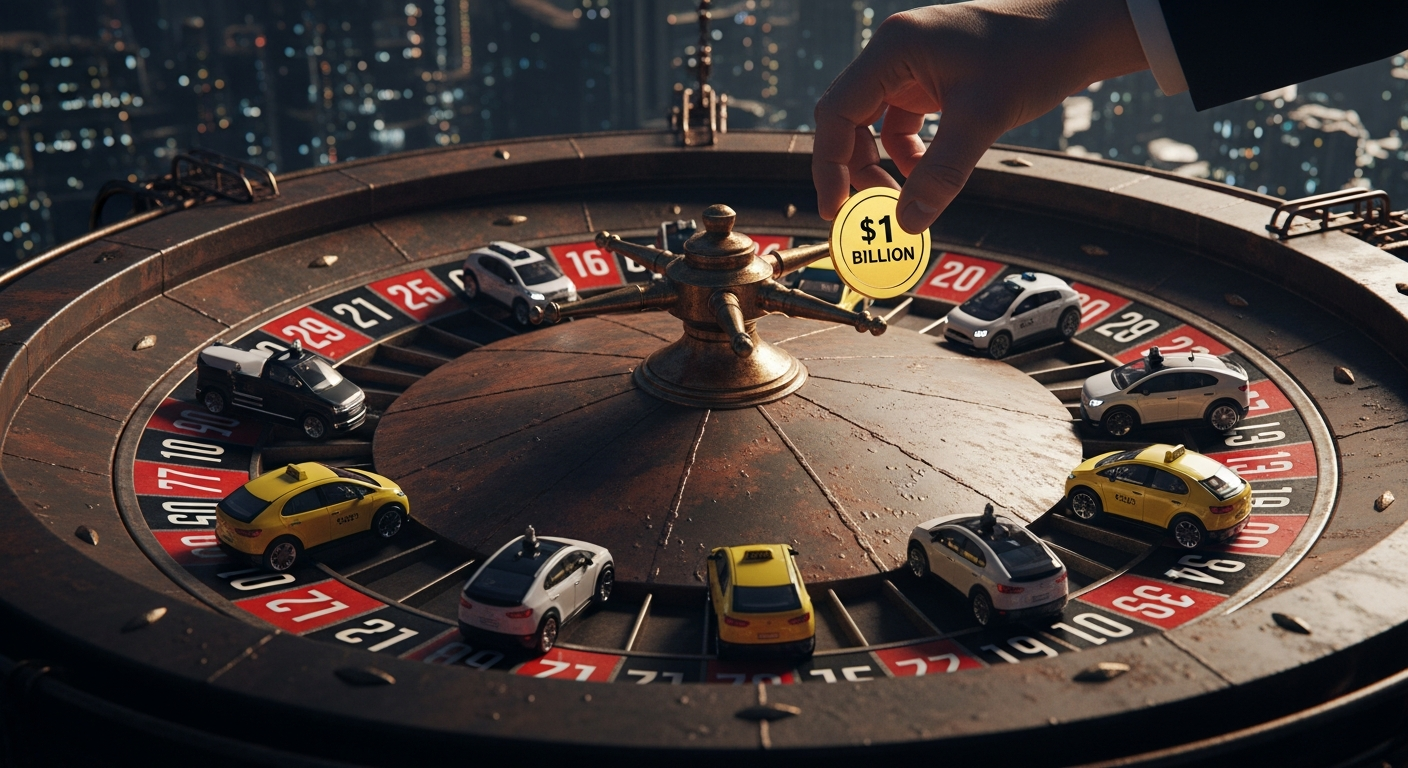
Waabi’s billion-dollar boost (including Uber’s contingent millions) signals an ambitious, possibly reckless, expansion from autonomous trucking into the perpetually "five years away" robotaxi market.
-
Uber continues its tradition of investing heavily in AV tech, often with the enthusiasm of a gambler convinced "this time is different," after a series of high-profile pivots and divestments.
-
The AV industry remains a high-stakes, high-hype ecosystem where technological breakthroughs are often overshadowed by regulatory hurdles, public skepticism, and the stubborn persistence of human drivers.
-
The race for full autonomy isn't just about code; it's about convincing investors, regulators, and a bewildered public that the future isn't just coming, but it will also reliably stop at red lights.
The Waabi Pivot: From Hauling to Hailing (Eventually)
Waabi, initially lauded for its innovative AI-driven simulation approach to autonomous trucking, has apparently gazed into the crystal ball of venture capital and seen a fleet of driverless taxis. Their recent billion-dollar fundraise, spearheaded by a cool $750 million from various optimistic entities and another $250 million from Uber contingent on... deployment milestones (a term often preceding "unexpected challenges"), confirms this audacious shift. Raquel Urtasun, Waabi's founder and a former Uber AI chief, is now not just predicting a future where trucks drive themselves, but also one where your Uber to the airport might be piloted by an algorithm she trained. It's a testament to the versatility of "AI" – capable of navigating an 18-wheeler through a blizzard and ferrying a tipsy bachelorette party through downtown traffic, presumably with equal statistical efficiency. The transition begs the question: is it easier to teach a big rig to parallel park than to teach a robotaxi to find the correct pickup spot at a busy concert venue? Only time, and many more billions, will tell.
Uber’s AV Obsession: A History of High Stakes and Hard Stops
Uber’s relationship with autonomous vehicles isn't merely an investment; it's a long-term, turbulent love affair, punctuated by public breakups and dramatic reconciliations. From its self-driving unit, ATG, which was famously offloaded to Aurora (with Uber still retaining a significant stake, naturally), to its various partnerships and pilots, Uber has consistently treated the AV space like a giant, perpetually flashing "Invest Now!" sign. Each new partnership, each new infusion of capital, is presented as the final, definitive step towards a world free of pesky human drivers. Yet, the road has been bumpy. Recall the initial promise, the subsequent accident that halted testing, the strategic divestments, and now, the renewed, almost desperate embrace of promising startups like Waabi. One might describe Uber’s AV strategy as a high-concept art piece titled "Sisyphus with a Self-Driving Car." They push the boulder up the hill, it rolls down, they find a new, shinier boulder.
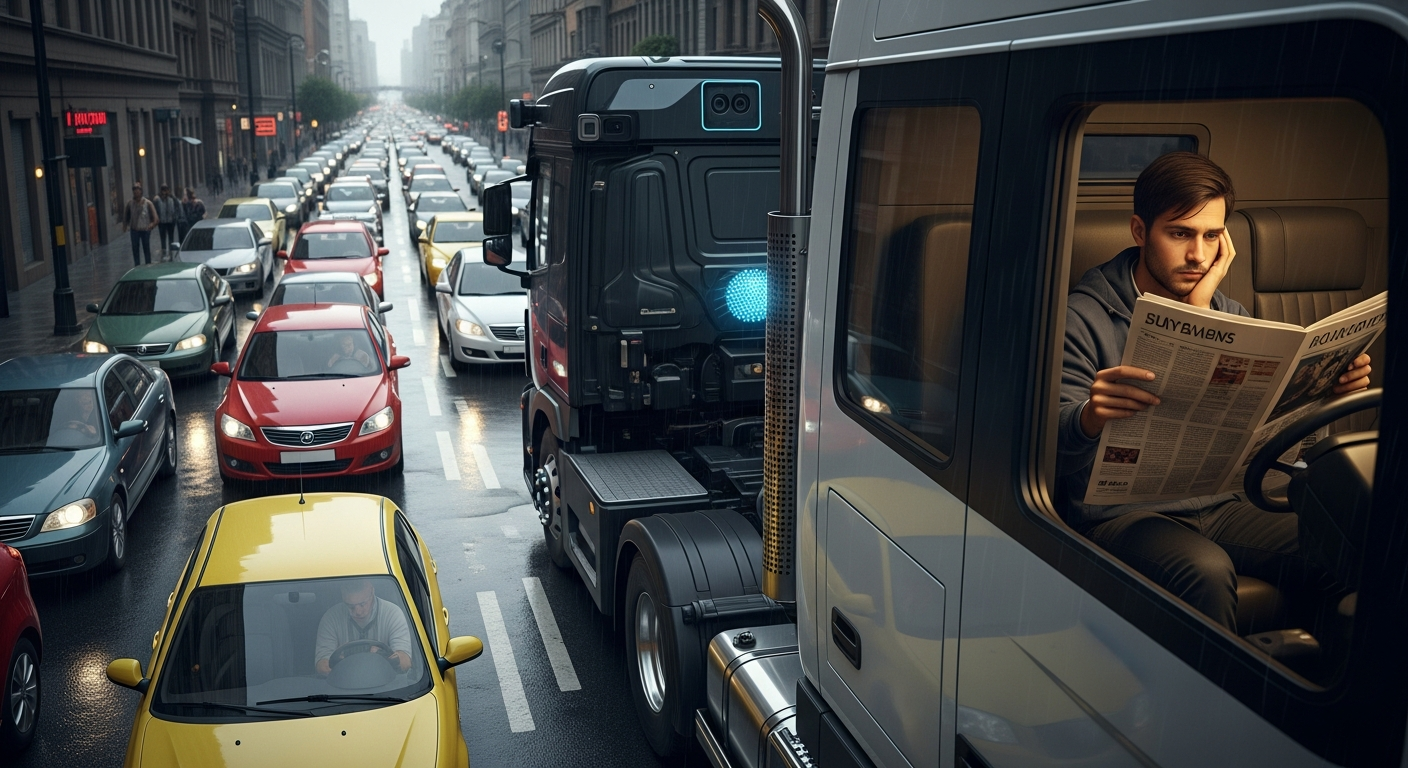
This latest Waabi deal suggests that while the names and faces (and vehicle types) change, Uber’s fundamental belief that a driverless future is the future remains unshaken, largely because it promises to transform their current variable cost (drivers) into a fixed, amortizable asset (robots).
The Elusive Horizon: Navigating the AV Landscape
The autonomous vehicle landscape itself resembles a wild west of innovation, populated by highly capitalized dreamers, cautious pragmatists, and a fair few snake oil salesmen. While companies like Cruise and Waymo have been running limited robotaxi services for years, widespread adoption remains stubbornly out of reach. The technical challenges of "Level 5" autonomy – a car capable of handling all driving conditions without human intervention – are immense, far exceeding the initial Silicon Valley hubris. Weather, unpredictable human behavior, labyrinthine regulations, and the sheer cost of sensors and computing power conspire to keep the promised land of driverless utopia perpetually just beyond the next fiscal quarter. Every fundraise, every new partnership, every "deployment milestone" is heralded as the turning point, yet the goalposts seem to shift like desert mirages. The real question is not just if we'll have fully autonomous vehicles, but when, and more importantly, who will still have money left to pay for them by then.
Public Sentiment
"Another billion? Great. Maybe this time they'll invent a self-driving car that can actually navigate a pothole without spontaneously combusting." - @DriverlessDreams_1776
"Uber's AV strategy is like watching someone play whack-a-mole with a credit card. Eventually, they'll hit something, or run out of credit." - An anonymous industry analyst, probably.
"My self-driving Roomba has more consistent navigation than some of these robotaxis. Just saying." - @RobotVacTruths
"So, we're going from trucks that can drive themselves to taxis that can drive themselves. What's next? Self-driving shopping carts? Because that would actually be useful." - Reddit user u/SarcasticPassenger
Conclusion
Uber's latest gambit with Waabi is a familiar melody in the symphony of autonomous ambition: a soaring overture of innovation, followed by a cacophony of technical hurdles, regulatory discord, and the ever-present question of profitability. While the vision of a driverless future is undeniably seductive, particularly for companies seeking to eliminate their largest operational expense, the path to that future is paved not with gold, but with venture capital and an almost religious optimism. As Waabi attempts to master both the intricacies of long-haul logistics and the nuanced chaos of urban passenger transport, and as Uber continues its tireless search for the perfect autonomous partner, one thing is clear: the future of transportation will either be incredibly efficient, or incredibly expensive, or perhaps, most likely, both, but only after a few more billion-dollar bets have been placed.