The battle for digital supremacy has taken a decisive turn. Recent data indicates that Threads, Meta's relatively nascent platform, has quietly but firmly surpassed X in daily mobile usage. This milestone is not merely a statistical footnote; it represents a tectonic shift in the social media ecosystem, with profound implications for user engagement, advertising revenue, and the future trajectory of digital communication.
Key Takeaways:
-
Threads' Ascent: Meta's Threads has leveraged powerful cross-promotion, rapid feature rollouts, and creator-centric tools to establish a dominant position in daily mobile usage.
-
X's Challenges: X continues to grapple with a series of controversies, advertiser reluctance, and a perceived erosion of its brand identity, contributing to a decline in user engagement.
-
Strategic Win for Meta: The data validates Meta's aggressive strategy to carve out a significant share of the short-form content market, leveraging its extensive user base from Instagram and Facebook.
-
Impact on Digital Economy: This shift will influence where brands allocate advertising budgets, where creators invest their time, and how users consume news and interact online, particularly in a high-growth market like India.
-
Future of Competition: The reordering of these platforms sets the stage for intensified competition, pushing both entities to innovate and adapt to evolving user demands.
The Shifting Sands of Engagement
For years, X (formerly Twitter) stood as the undisputed town square of the internet, a real-time hub for news, commentary, and public discourse. Its daily active user count was a benchmark for immediate relevance. However, the latest figures suggest a new contender has not just entered the arena but has begun to dictate the pace. Threads, launched with the immense backing of Meta's ecosystem, has capitalised on a combination of strategic advantages and opportunistic timing. The metrics speak volumes: more users are now opening Threads on their mobile devices each day than X, indicating a fundamental change in habitual online behaviour.
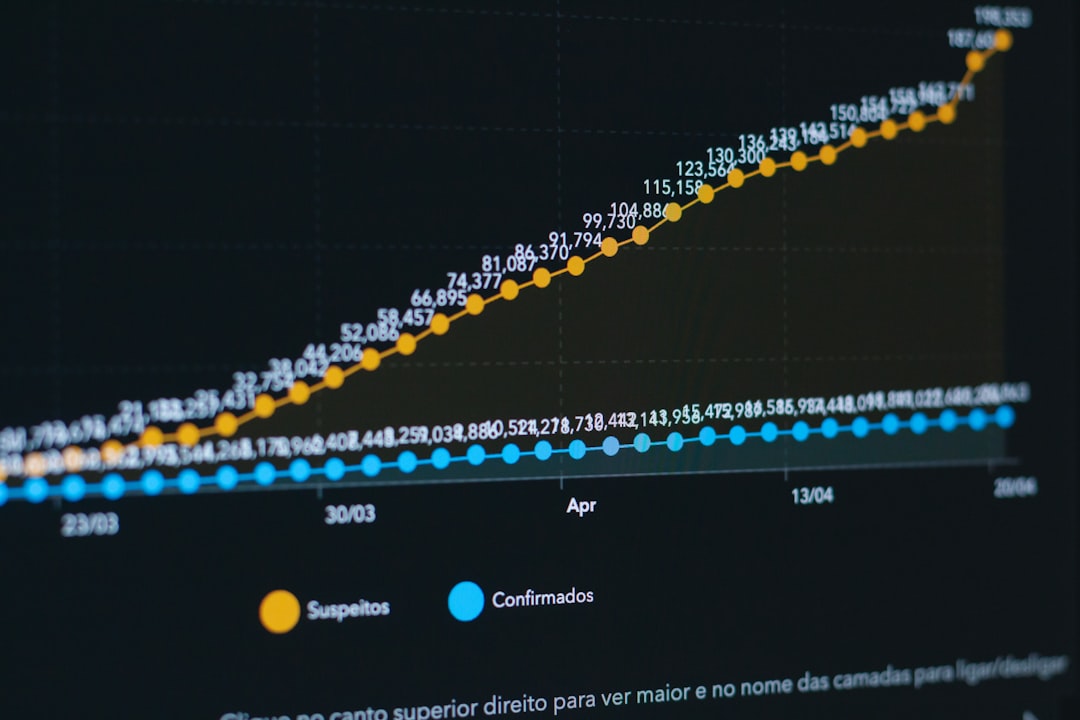
This isn't merely about raw user numbers; it's about sustained engagement. Daily mobile usage is a critical metric for advertisers and content creators, signaling a platform's ability to retain attention and foster habitual interaction. For India, a market characterised by its massive smartphone penetration and dynamic digital population, this shift is particularly resonant. Brands and public figures seeking real-time engagement and reach will undoubtedly monitor these trends closely, potentially re-evaluating their platform priorities.
Meta's Calculated Offensive
Meta's strategy for Threads has been multifaceted and relentless. The initial rollout benefited immensely from cross-promotion across Instagram and Facebook, instantly onboarding millions of users. This network effect provided a critical mass that X, as a standalone entity, could not replicate for a new offering.
Beyond the initial surge, Meta has focused on rapid feature rollouts. From introducing search functionality and trending topics to enhancing direct messaging and improving content moderation tools, Threads has consistently added functionalities requested by users. This agile development approach, contrasted with perceived stagnation or controversial changes on X, has resonated with users seeking a stable and evolving experience. Furthermore, Meta's emphasis on creator tools and monetisation pathways aims to attract and retain the vital content producers who drive engagement and community on any platform.
X's Turbulent Trajectory
Conversely, X has navigated a period fraught with fresh controversies. Changes in content moderation policies, perceived increases in misinformation, and a public relations narrative often dominated by contentious decisions have alienated a significant portion of its user base and, critically, its advertising partners. Major brands have expressed concerns over brand safety and reduced reach, leading to an exodus of advertisers and a subsequent impact on revenue.
These challenges have not only impacted X's financial health but have also created an environment where users are more willing to explore alternatives. The platform's long-standing cultural relevance is being tested as it struggles to redefine its identity amidst a backdrop of internal restructuring and external criticism. This vulnerability has proven to be Threads' gain, offering a perceived 'safer' or more familiar environment for many.
Public Sentiment: Voices from the Digital Sphere
Across India's bustling digital communities, the sentiment surrounding this shift is varied but generally reflective of the data.
-
"It was only a matter of time," remarked Priya Singh, a Bangalore-based digital marketer. "Threads felt like a natural extension of Instagram. Many of my clients were already looking for alternatives to X for brand safety, and Threads just made sense. It's less chaotic."
-
"I miss the old Twitter," posted Mumbai user 'TechGuru22' on X. "Threads is okay, but it still lacks that real-time news punch. Though, admittedly, I do spend more time scrolling Threads now, mostly because my friends are there."
-
"For creators, the reach on Threads is becoming undeniable," shared content creator Anjali Verma from Delhi. "Meta's ecosystem integration means my Reels and Stories can feed directly into Threads, amplifying my content. It's a smart play from their side, and it's paying off."
-
"The controversies around X were too much," stated software engineer Rajeev Kumar. "It stopped being a reliable source of information for me. Threads feels more curated, and the community feels less toxic right now."
These voices highlight a broader trend: a search for stability, familiarity, and a less contentious online environment, which Threads, for now, appears to offer.
Conclusion
The surpassing of X by Threads in daily mobile usage marks a pivotal moment in the ongoing social media narrative. It underscores Meta's formidable power in leveraging its vast network and agile development to challenge established players. For X, it serves as a potent reminder of the fragility of digital dominance in an era of rapid change and intense competition. As both platforms continue to evolve, the impact on user experience, content creation, and the digital advertising landscape will be significant. The 'Rusty Tablet' will continue to monitor this evolving dynamic, providing insights into a future where the battle for attention is fiercer than ever.