Key Takeaways
-
Exceptional Properties, Elusive Application: Diamond's superior thermal, electrical, and mechanical properties make it ideal for high-power, high-frequency, and high-temperature electronics, yet realizing this potential is extremely difficult.
-
Material Science Hurdles: Challenges include growing large, pure single-crystal diamonds, and precisely controlling doping for conductivity.
-
Fabrication Complexity: Diamond's hardness resists conventional etching and patterning techniques, demanding specialized, high-cost methods.
-
Economic and Scalability Barriers: The high cost of production and lack of established infrastructure hinder its commercial viability and mass adoption.
-
Niche Futures: While a silicon replacement is unlikely soon, diamond transistors may find critical roles in specialized high-performance and extreme-environment applications.
The Lure of Diamond: A Material Marvel
Silicon has been the bedrock of modern electronics for decades, but it's increasingly reaching its fundamental limits, particularly in areas requiring extreme power, frequency, or heat dissipation. Enter diamond, a material whose properties make it a tantalizing prospect for the next generation of semiconductors. Diamond possesses the highest known thermal conductivity, allowing devices to run cooler and more efficiently. It also boasts an incredibly high electrical breakdown strength and a wide bandgap (5.5 eV compared to silicon's 1.1 eV), meaning devices could operate at significantly higher voltages and temperatures without failing. Furthermore, its inherent radiation hardness makes it invaluable for applications in space, defence, and nuclear environments.
The Crystal Conundrum: Purity and Perfection
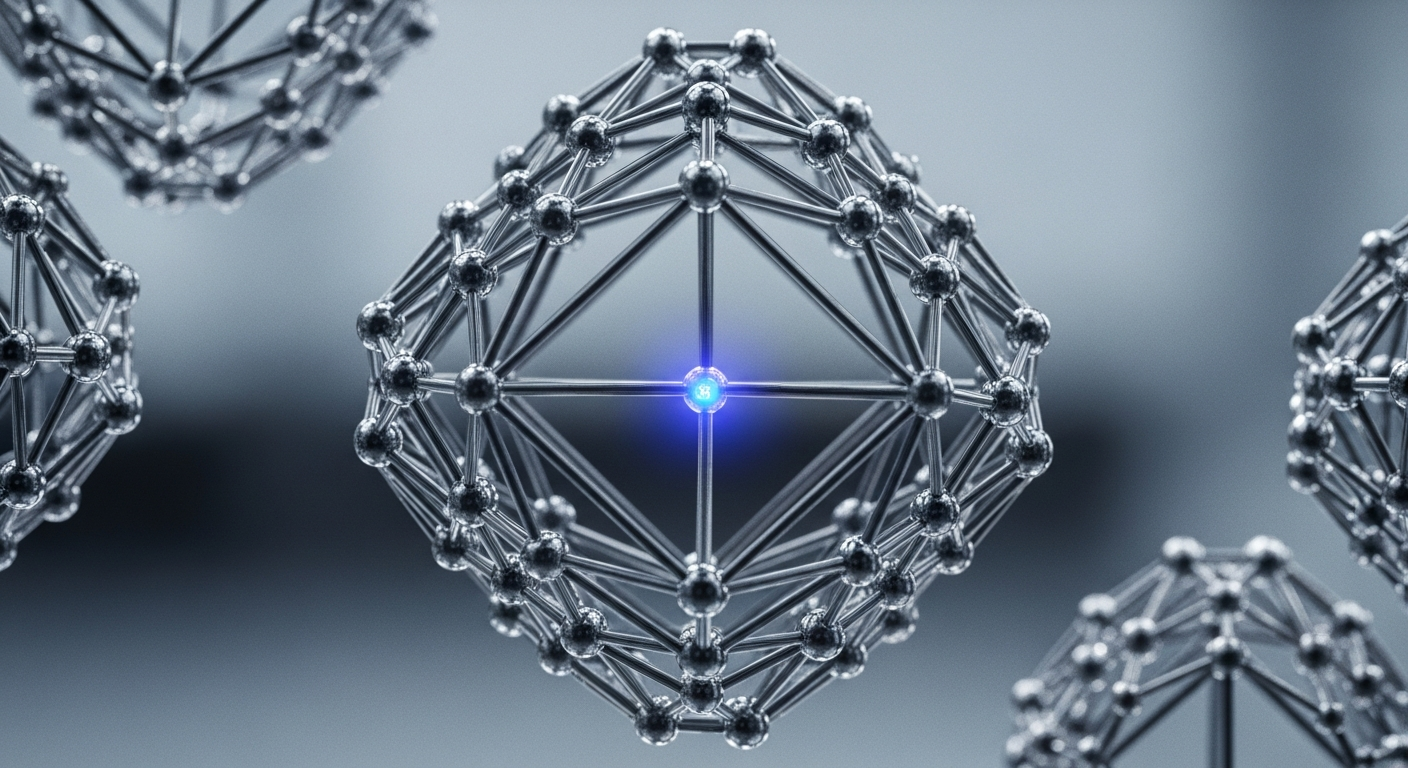
While industrial diamonds are relatively common, creating electronic-grade diamonds is an entirely different challenge. For semiconductors, purity is paramount. Any defects – dislocations, grain boundaries, or unwanted impurities like nitrogen – act as 'traps' for charge carriers, severely degrading device performance. The most promising method, Chemical Vapor Deposition (CVD), can grow synthetic diamonds, but consistently producing large, perfectly uniform single crystals with the necessary purity for advanced electronics remains incredibly difficult and expensive. The margin for error is razor-thin, as even microscopic imperfections can render a wafer unusable.
Doping Dilemmas: Conductivity Control
For any material to function as a semiconductor, its electrical conductivity must be precisely controlled through a process called 'doping.' This involves intentionally introducing impurities to create n-type (excess electrons) or p-type (excess holes) regions. For diamond, this is exceptionally challenging. While boron can be effectively incorporated to create p-type diamond, it acts as a 'deep acceptor,' meaning a significant amount of energy (typically heat) is required to activate the boron atoms and make the material conductive, leading to lower charge carrier mobility at room temperature. Creating n-type diamond, which requires adding donor impurities, is even harder. Nitrogen and phosphorus have been explored, but achieving effective, stable n-type doping without introducing detrimental defects remains a major scientific hurdle.
Etching and Patterning: A Hard Nut to Crack
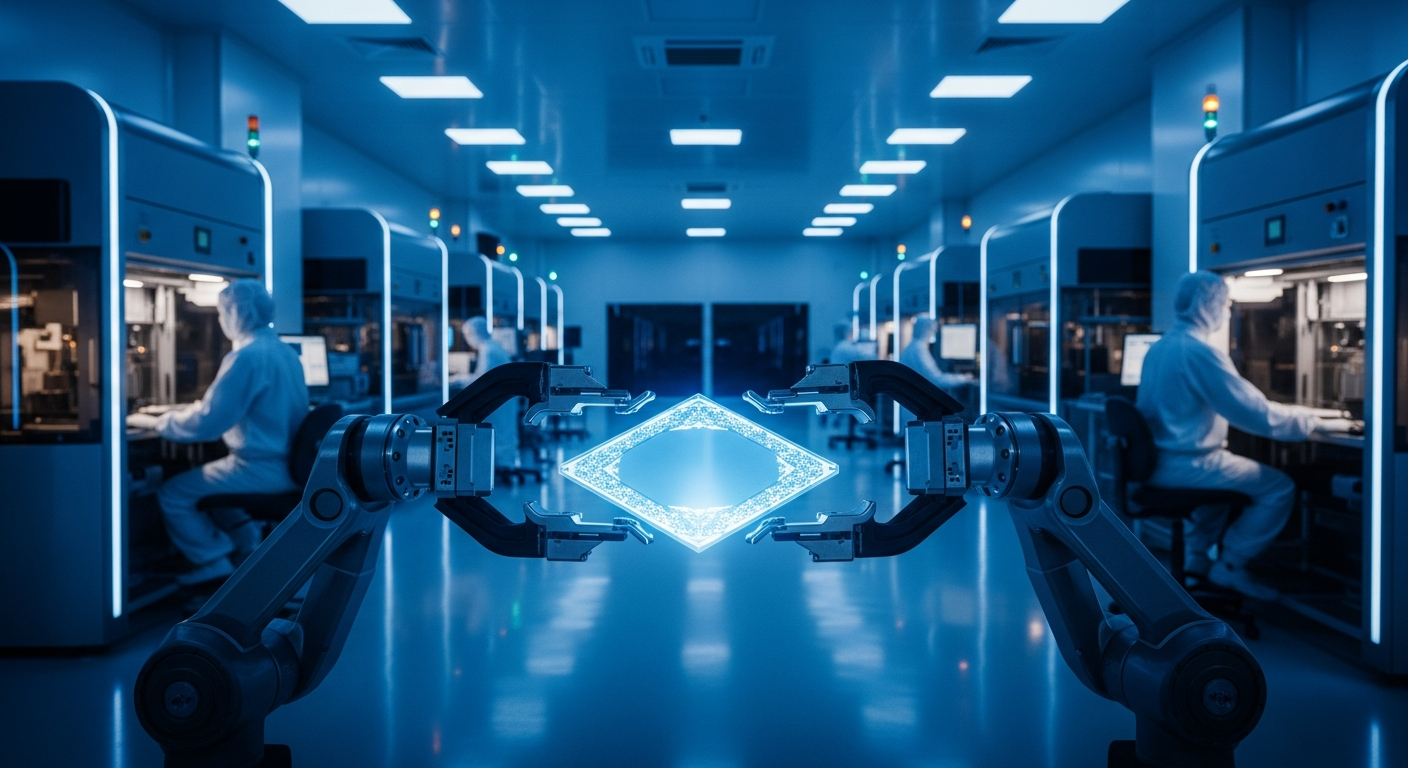
Diamond's legendary hardness, while beneficial for durability, becomes a formidable obstacle during the fabrication process. Conventional lithographic techniques used to pattern intricate circuits on silicon wafers rely on chemical etching, which simply doesn't work effectively on diamond. Aggressive methods like reactive ion etching (RIE) or ion beam etching are often required, but these processes can introduce surface damage, defects, and reduce the overall yield of usable devices. The precision and delicacy required for modern integrated circuits clash directly with diamond's unyielding nature, making complex patterning a monumental and costly task.
The Price of Perfection: Cost and Infrastructure
Beyond the scientific complexities, the economic realities are stark. The cost of producing high-purity diamond substrates suitable for electronics is astronomically high compared to silicon wafers. The specialized equipment required for diamond growth and fabrication is expensive, and the entire ecosystem – from raw material suppliers to specialized manufacturing facilities – is nascent, lacking the decades of investment and optimization that silicon enjoys. Scaling production to meet the demands of a global electronics market is currently unimaginable, making mass commercialisation a distant dream.
Glimmers of Hope: Niche Horizons
Despite the formidable challenges, research into diamond transistors continues globally, driven by the sheer potential for revolutionary performance. Significant progress has been made in understanding diamond's material science and fabricating smaller, specialized devices. It's increasingly clear that diamond won't be a direct, widespread replacement for silicon in consumer electronics anytime soon. Instead, its initial applications are likely to be in critical niche areas where its unique properties are indispensable: high-frequency RF amplifiers for 5G/6G, ultra-efficient power electronics for electric vehicles and renewable energy grids, advanced sensors operating in extreme environments, and even as quantum bits (qubits) in quantum computing, leveraging nitrogen-vacancy centres. In these sectors, the performance gains could justify the high costs and engineering efforts.
Public Sentiment
While the vision of diamond-powered devices is captivating, many in the tech community express a cautious optimism. An IT professional from Bengaluru remarked, "The sheer potential is undeniable – imagine phones that never overheat or super-efficient power grids. But the engineering challenges feel monumental, almost sci-fi." Similarly, a materials science researcher in Chennai commented, "We've seen significant breakthroughs in lab settings, but scaling that to industrial production is a different beast entirely. It's a long game, one that requires consistent, significant investment."
Conclusion
Diamond transistors represent a tantalizing frontier in semiconductor technology, promising unparalleled performance characteristics that could redefine the limits of electronics. However, the path to realizing this potential is paved with profound material science and engineering challenges – from growing perfect crystals and achieving precise doping to fabricating intricate structures on an incredibly hard material. While diamond may not fully displace silicon in our everyday devices, its unique attributes guarantee it a crucial role in specialized, high-performance applications. The journey to unlock diamond's full electronic potential is arduous, but the scientific community continues to chip away at this technological Everest, driven by the promise of future innovation.