Taara Beam: India's Digital Divide's Newest Foe, Or Just Another Flash in the Pan?
Key Takeaways:
-
Blazing Speed: Taara Beam offers 25Gbps connectivity, rivaling traditional fiber optics in throughput.
-
Rapid Deployment: Unlike fiber, these shoebox-sized devices can be quickly mounted on poles and rooftops, drastically cutting deployment time and cost.
-
Urban Focus: Designed for city-wide connectivity up to 10km, addressing critical last-mile challenges in dense environments.
-
Low Power, High Impact: Consumes approximately 90W, making it energy-efficient for widespread urban adoption.
-
Potential for India: Offers a compelling alternative to expensive and slow fiber rollouts, especially in bridging the digital divide in Tier 2/3 cities and congested metros.
The Promise of Light-Speed Connectivity in India
For too long, India's quest for ubiquitous high-speed internet has been a tale of ambitious plans and frustrating execution. Laying fiber, while ideal, is a monumental task in our densely populated, infrastructurally complex cities. The digging, the permits, the right-of-way issues – it's a bureaucratic and logistical nightmare that costs a fortune and takes years. This is precisely where Taara Beam doesn't just enter the scene; it bursts onto it with the dazzling promise of 25Gbps over invisible beams of light.

Think about that for a moment: fiber-optic speeds, without the fiber. For a nation like India, where millions still struggle with patchy, slow, or non-existent internet, this isn't just an upgrade; it's a lifeline. The ability to deploy high-capacity links rapidly across urban landscapes, connecting homes, businesses, and public spaces, could fundamentally alter our digital trajectory. It’s about more than just speed; it’s about accessibility, equity, and enabling the next wave of innovation that currently stagnates due to inadequate infrastructure.
Taara Beam: A Technical Marvel for Urban Landscapes
Unlike its predecessor, Taara Lightbridge, which conquered long-distance connectivity over water and mountains, the new Taara Beam is purpose-built for the urban jungle. This shoebox-sized marvel, weighing less than 8kg and sipping a mere 90W of power, is designed to be mounted on street poles and rooftops, creating a mesh of high-speed links across cities. Its 10km range is perfectly suited for dense urban environments, making it ideal for filling those frustrating last-mile gaps that fiber often fails to reach economically.
This isn't just futuristic gadgetry; it's practical innovation. Imagine small businesses in congested market areas, remote workers in bustling residential complexes, or students in underserved neighbourhoods finally accessing reliable, blazing-fast internet. Taara Beam circumvents the physical constraints of traditional cabling, offering a 'plug-and-play' vision for urban connectivity that has, until now, remained largely theoretical.
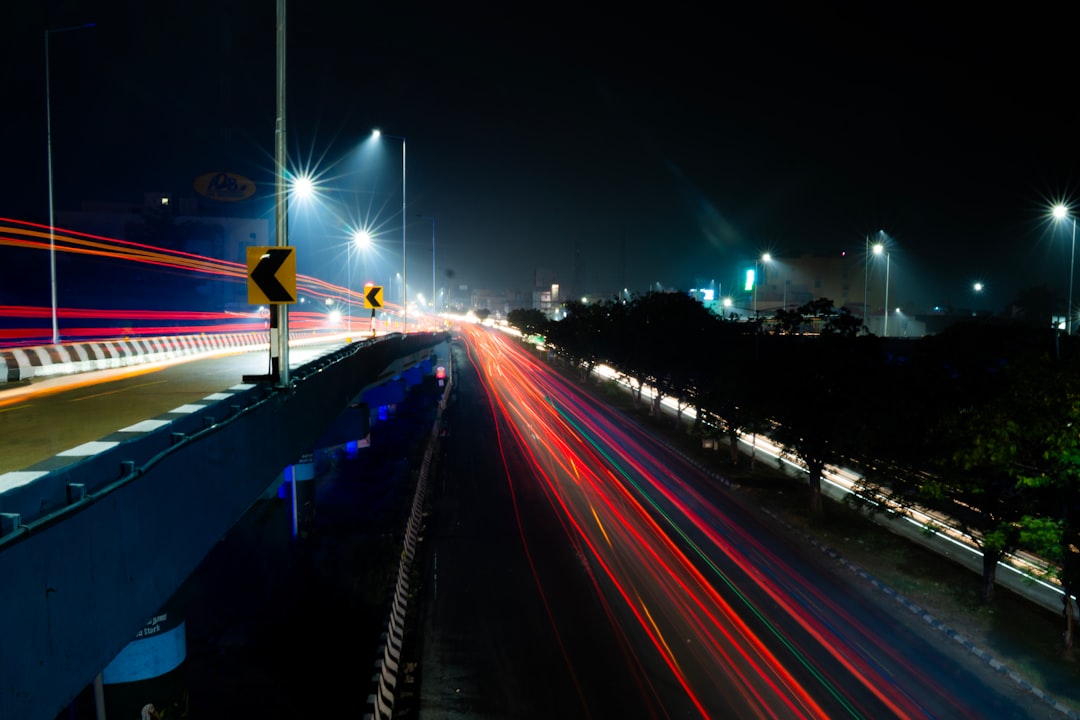
The Economic & Deployment Advantage
The most compelling argument for Taara Beam in the Indian context lies in its economics and ease of deployment. The cost and time involved in trenching, laying, and maintaining fiber optic cables across our sprawling cities are staggering. Taara Beam sidesteps much of this. Its rapid deployment capability means services can go live in weeks, not years, translating into quicker returns on investment for providers and faster access for consumers. This agility is crucial for India, where demand for data outstrips supply at an exponential rate.
Furthermore, its potential to provide a cost-effective alternative for backhauling data for 5G towers or extending connectivity into areas deemed commercially unviable for fiber could be immense. We're talking about democratizing high-speed internet, making it available not just to the privileged few, but to a broader segment of the population, fostering digital inclusion and economic growth. This isn't just about 'broadband'; it's about 'broad access.'
The Roadblocks Ahead: Navigating the Indian Reality
While the promise is exhilarating, we must temper our enthusiasm with a dose of reality. India presents unique challenges. Line-of-sight connectivity, essential for Taara Beam, can be tricky in our chaotic, unplanned urban sprawl where buildings obstruct views and haze can reduce signal quality. Monsoon rains, dust storms, and even bird activity could potentially interfere with the invisible beams, though Taara claims its technology is robust.
Regulatory hurdles, spectrum allocation (even for license-exempt visible light communication, there are complexities), and securing permissions for mounting devices on public infrastructure will require significant navigation. Furthermore, competition from existing wireless technologies and evolving fiber rollouts will shape its market penetration. Taara Beam is a powerful tool, but not a silver bullet. Its success will hinge on strategic partnerships, robust deployment planning, and a government keen on innovation.
Public Sentiment
Early sentiment around such technologies often oscillates between fervent optimism and cautious skepticism. "Finally, a real solution to our internet woes! No more waiting for roads to be dug up," exclaims one tech enthusiast. A local business owner might muse, "If this can actually deliver 25Gbps without the astronomical costs, it's a game-changer for our operations." Yet, the cynics will raise valid points: "What about the monsoons? Will it work in Mumbai's humidity? This sounds too good to be true for our infrastructure." The collective hope, however, leans towards the positive, driven by the sheer frustration with current internet options.
Conclusion
Taara Beam is more than just a technological curiosity; it's a bold answer to one of India's most pressing infrastructure challenges. Its ability to deliver fiber-like speeds with unprecedented deployment agility and cost-effectiveness positions it as a vital enabler for India's digital aspirations. While the path to widespread adoption will undoubtedly have its obstacles – regulatory, environmental, and competitive – the potential impact on bridging the digital divide, fostering innovation, and powering the next generation of our digital economy is too significant to ignore. The time is now for India to embrace this light-speed revolution, strategically deploying Taara Beam to illuminate the digital future for all its citizens. This isn't just about faster internet; it's about a brighter, more connected India.