The Resurgence of Tactile Control in Digital Media
For decades, the allure of tactile control has persisted in various professional domains, from music production to industrial automation. In the realm of digital content creation, particularly livestreaming and podcasting, there's a discernible shift back towards physical interfaces over purely software-driven solutions. The ephemeral charm of a 1995 morning radio DJ, with their array of buttons and faders for instant sound effects, is finding a modern echo in the custom-built soundboards favoured by today's digital broadcasters. This trend is not merely nostalgic; it underscores a practical need for instantaneous, reliable control that software interfaces often struggle to match in terms of responsiveness and ergonomic feedback.
The human-computer interaction dynamic is evolving, with creators opting for hardware that offers direct manipulation, reducing cognitive load and enhancing performance during live broadcasts. The ability to instinctively press a physical button for a specific sound effect, rather than navigating menus or remembering hotkeys, provides a tangible advantage in maintaining flow and audience engagement. This is where accessible, powerful microcontrollers like the Raspberry Pi RP2040 are making a significant impact, allowing enthusiasts and professionals alike to craft bespoke control systems tailored precisely to their unique needs.
RP2040: A Catalyst for Customisation
At the heart of this burgeoning movement is the Raspberry Pi RP2040, a microcontroller lauded for its blend of performance, affordability, and developer-friendliness. Unlike its single-board computer siblings, the RP2040 is designed for embedded applications, offering dual ARM Cortex-M0+ cores, ample RAM, and a unique Programmable I/O (PIO) subsystem. These features make it exceptionally well-suited for projects requiring precise timing and custom peripheral interactions, such as managing a complex array of buttons, potentiometers, and LEDs for a soundboard.
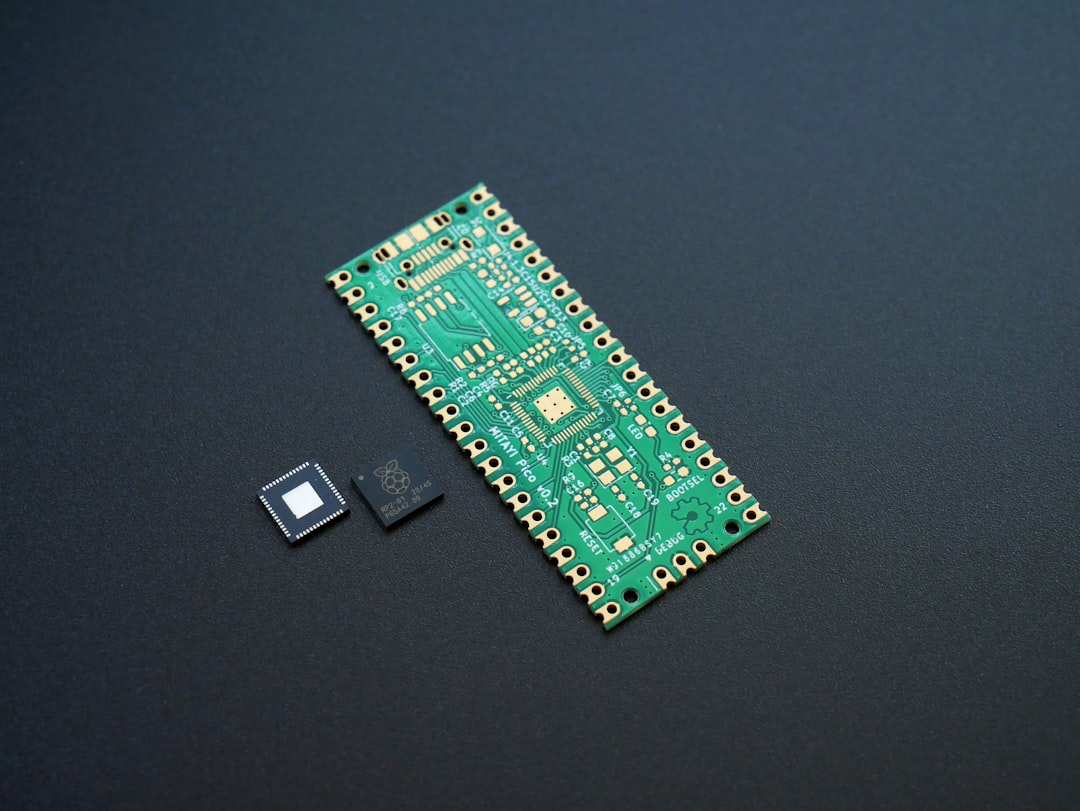
Its low cost significantly lowers the barrier to entry for hardware development, allowing content creators with limited electronics experience to experiment and innovate without substantial financial commitment. The robust community support surrounding the Raspberry Pi ecosystem, coupled with extensive documentation and readily available libraries for various programming languages (like MicroPython and C/C++), further empowers individuals to transform their ideas into functional hardware. For a custom soundboard, the RP2040 acts as the central processing unit, interpreting physical inputs and translating them into actionable commands for audio software or digital audio workstations (DAWs).
MIDI Beyond Music Production
Historically, the Musical Instrument Digital Interface (MIDI) protocol has been synonymous with synthesizers, drum machines, and keyboards, acting as the universal language for electronic musical instruments. However, MIDI’s inherent versatility extends far beyond music production. It is fundamentally a serial communication protocol designed to transmit event messages—such as note on/off, control changes, and program changes—not just musical data. This makes it an ideal framework for general-purpose control applications.
In the context of a custom soundboard, the RP2040 leverages MIDI to send signals to a connected computer, which then interprets these signals to trigger specific sound files, control volume levels, or initiate complex audio effects within streaming software (e.g., OBS Studio) or a DAW. This repurposing of MIDI allows for a standardised and widely compatible method of communication, meaning a custom RP2040 soundboard can integrate seamlessly with a vast array of existing software tools without proprietary drivers or complex setups. This adaptability is key to its adoption by content creators looking for interoperable solutions.
Democratizing Professional Tools for Independent Creators
Before the advent of accessible microcontrollers and open-source software, achieving professional-grade audio control often necessitated significant investment in commercial hardware mixers or dedicated sound effect units. These solutions, while robust, are typically expensive and often come with a fixed set of functionalities, limiting customisation. The RP2040-powered MIDI soundboard fundamentally shifts this paradigm.
Independent content creators, ranging from burgeoning podcasters to established Twitch streamers, can now design and build control surfaces that precisely meet their workflows. This democratisation of tools fosters innovation, allowing creators to implement unique features or ergonomic layouts that are unavailable in off-the-shelf products. It empowers a DIY ethos, providing a pathway for individuals to not only consume technology but also actively shape and create it, directly influencing the quality and character of their digital output.
Impact on Livestreaming and Podcasting Engagement
The direct impact of custom soundboards on livestreaming and podcasting engagement is multifaceted. Firstly, the immediate access to a diverse array of sound effects, jingles, and transitions enables dynamic, responsive storytelling. A timely sound effect can punctuate a joke, underscore a dramatic moment, or inject personality into a broadcast, leading to a more immersive and entertaining experience for the audience. This level of spontaneity is crucial for live content, where delays or fumbling with software can disrupt flow and reduce viewer retention.
Secondly, these custom setups enhance the perceived professionalism of a broadcast. A smooth, error-free delivery of audio cues contributes to a higher production value, signalling to the audience that the creator is invested in delivering quality content. Beyond mere effects, custom soundboards can also control lighting, camera angles, or on-screen graphics, centralising a creator’s entire production suite. As digital platforms become saturated, the ability to stand out through superior technical execution and engaging interaction becomes a critical differentiator, and the RP2040's role in enabling such customisation is undeniably significant.
Public Sentiment: Empowering the Digital Artisan
Discussions across creator forums and social media platforms reveal a strong positive sentiment towards these custom hardware solutions. Users frequently express enthusiasm for the tangible control they offer. "It's not just about the sounds; it's about feeling like I'm truly piloting my broadcast," noted one streamer on a popular forum. Another user highlighted the educational aspect: "Building my own soundboard taught me so much about electronics and programming. It's empowering to create the tools you use." This sentiment underscores a broader trend of digital artisans seeking to understand and manipulate their creative instruments, moving beyond passive consumption to active contribution and customisation. The accessibility of RP2040, combined with its robust capabilities, has clearly struck a chord with a community eager for more control and individuality in their digital output.
Conclusion
The integration of the RP2040 microcontroller with the MIDI protocol for custom soundboards represents a pivotal development in digital content creation. It exemplifies how affordable, open-source hardware can empower individual creators to achieve professional-grade results, injecting personality and dynamism into their broadcasts. This movement towards tactile, personalised control interfaces not only elevates the technical quality of livestreams and podcasts but also fosters a deeper, more engaged connection between creators and their tools. As the digital landscape continues to evolve, we can anticipate further innovation in this space, with microcontrollers like the RP2040 playing an increasingly central role in democratising advanced production capabilities for the masses.