
Razer, a name synonymous with high-performance gaming peripherals, has once again stirred the pot, this time with the beta release of Razer Synapse Web. Positioned as a lightweight, browser-based alternative to its venerable, yet often maligned, Synapse 4 desktop application, this new tool aims to offer 'streamlined' customization for select Huntsman V3 Pro keyboards. On the surface, the promise of escaping the perceived bloat of desktop software through the convenience of a web browser seems appealing. Yet, upon closer inspection, this strategic pivot by Razer presents a myriad of concerns that could overshadow its intended benefits.
The Allure of 'Streamlined' – A Façade?
Razer's official line suggests Synapse Web is for moments when users 'don't have the time' or 'aren't able' to install the desktop software. This implies a scenario where quick adjustments are paramount, without the overhead. However, the practical application of such a tool for a peripheral as critical as a gaming keyboard — where precise, low-latency adjustments are often critical — raises immediate red flags. True 'streamlining' should reduce complexity, not merely relocate it. The very act of customizing keybinds, macros, and lighting effects often involves deep integration with a system, something a browser, by design, seeks to abstract for security reasons. The question then becomes: how much functionality is truly being 'streamlined' away, and how much is merely being made less direct?
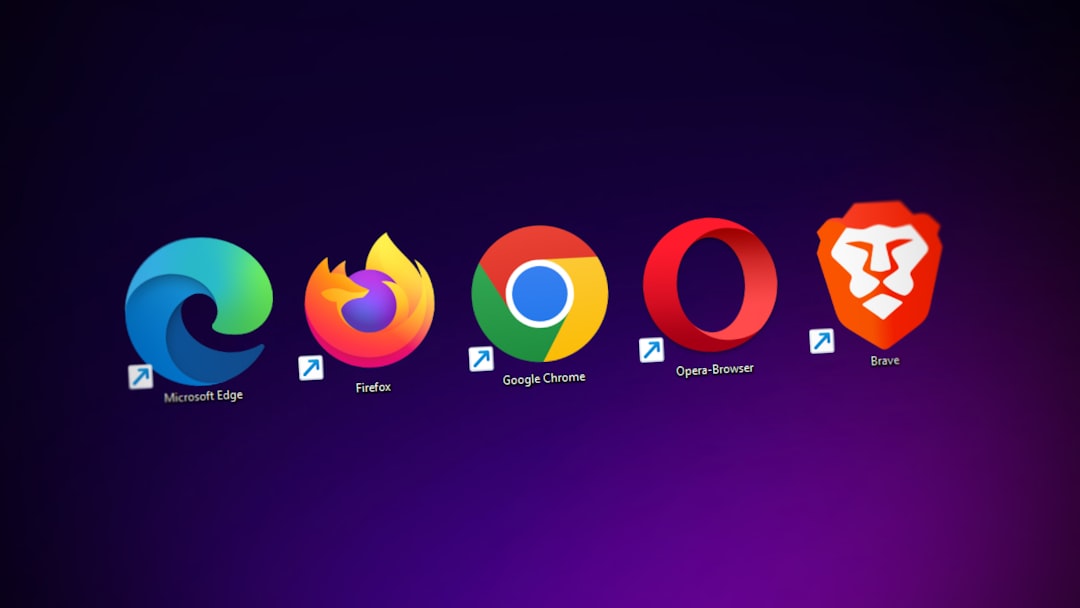
Currently, Synapse Web's compatibility is starkly limited, supporting only specific Huntsman V3 Pro models and exclusively operating within Chromium-based browsers like Chrome, Edge, Brave, and Opera. This immediate restriction contradicts the notion of universal accessibility. For a company touting convenience, limiting its flagship 'alternative' to a subset of browsers and a handful of premium keyboards at launch feels more like a controlled experiment than a genuinely liberating feature. What about users of Firefox or Safari? What about the vast ecosystem of other Razer keyboards and mice? This narrow scope suggests a cautious, almost hesitant dip into the browser pool, rather than a confident leap towards broad user empowerment.
The Lingering Specter of Synapse Bloatware
The fundamental criticism leveled at Razer’s desktop Synapse suite for years has been its resource intensiveness, intrusive data collection, and a tendency to bundle unwanted features. While Synapse Web is presented as not a full replacement, but an alternative, it does little to address the core complaints about the desktop version. If anything, it segments the user experience further. Users now face a choice: the heavy desktop app for full control, or a lightweight web tool for limited features. This doesn't solve the bloat; it merely offers a different flavor of compromise. One could argue that rather than investing in a separate web platform, resources could have been better directed towards optimizing the existing desktop software, making it leaner and more modular – a move that would benefit all Razer peripheral owners.
Security, Privacy, and the Cloud Imperative
Moving critical peripheral control to a web interface opens a Pandora's Box of security and privacy concerns. A browser, by its very nature, is a window to the internet, and an attack vector. While modern browsers are robust, introducing direct hardware interaction through this medium creates new vulnerabilities. Furthermore, web-based tools often imply a greater reliance on cloud services, which inevitably leads to more data collection. For a company that has faced scrutiny over its data practices in the past, pushing users towards a web platform for essential settings raises questions about what information is being transmitted, stored, and analyzed. Is this truly about user convenience, or is it another step towards a more centralized, data-rich ecosystem for Razer?
User Experience: A Double-Edged Sword
For a professional gamer or a power user, the idea of having their keyboard settings reliant on an internet connection or a specific browser version can be deeply unsettling. Latency, stability, and offline functionality are paramount. While it's unlikely Synapse Web will require constant internet access for saved profiles, the initial setup and any modifications would. This adds a layer of dependency that desktop applications, once configured, bypass entirely. The convenience of 'no installation' might appeal to a casual user, but the core demographic of Razer's premium keyboards often prioritizes stability and granular control above all else. This dichotomy suggests a potential miscalculation of their core audience's needs, or perhaps a strategic shift towards broader, less demanding user bases.
Key Takeaways:
-
Limited Scope: Synapse Web is currently restricted to specific high-end keyboards and Chromium-based browsers, limiting its accessibility.
-
Unaddressed Bloat: It doesn't replace or fix the core issues of the desktop Synapse app; it offers a segmented, limited alternative.
-
Security & Privacy: Shifting hardware control to a web interface introduces new potential vulnerabilities and increases reliance on cloud-based data handling.
-
Dependency: Requires specific browser and potentially internet access for critical peripheral settings, which can be a drawback for power users.
-
Strategic Ambiguity: Razer's long-term vision for its software ecosystem remains unclear, leaving users with a fragmented experience.
Public Sentiment:
Online forums and social media have already begun buzzing with a mix of cautious optimism and pointed skepticism regarding Synapse Web. One user, 'PixelPusher99,' lamented, "So, instead of fixing Synapse 4, they give us a browser version that's still probably going to track everything I do? Great. Another layer of complexity." Another, 'RigidRedditor,' expressed concern: "My gaming peripheral settings shouldn't be dependent on my internet connection or what browser I'm running. This feels like a solution looking for a problem that Razer itself created." The sentiment largely points towards frustration with Razer's existing software ecosystem and a desire for genuine optimization rather than parallel, limited solutions.

Conclusion:
Razer Synapse Web, while presented as a step towards greater convenience and a lighter software footprint, ultimately feels more like a strategic test bed than a definitive solution. Its limited compatibility, the unresolved issues with the desktop Synapse suite, and the inherent questions surrounding web-based hardware control—especially concerning security and user autonomy—paint a picture of a company navigating a complex software landscape with an uncertain compass. While the future may indeed be cloud-native, Razer's current implementation raises more critical questions than it provides convincing answers. For now, users are left to wonder if this 'streamlined' offering is truly a boon, or just another iteration of a long-standing software predicament.