Key Takeaways:
-
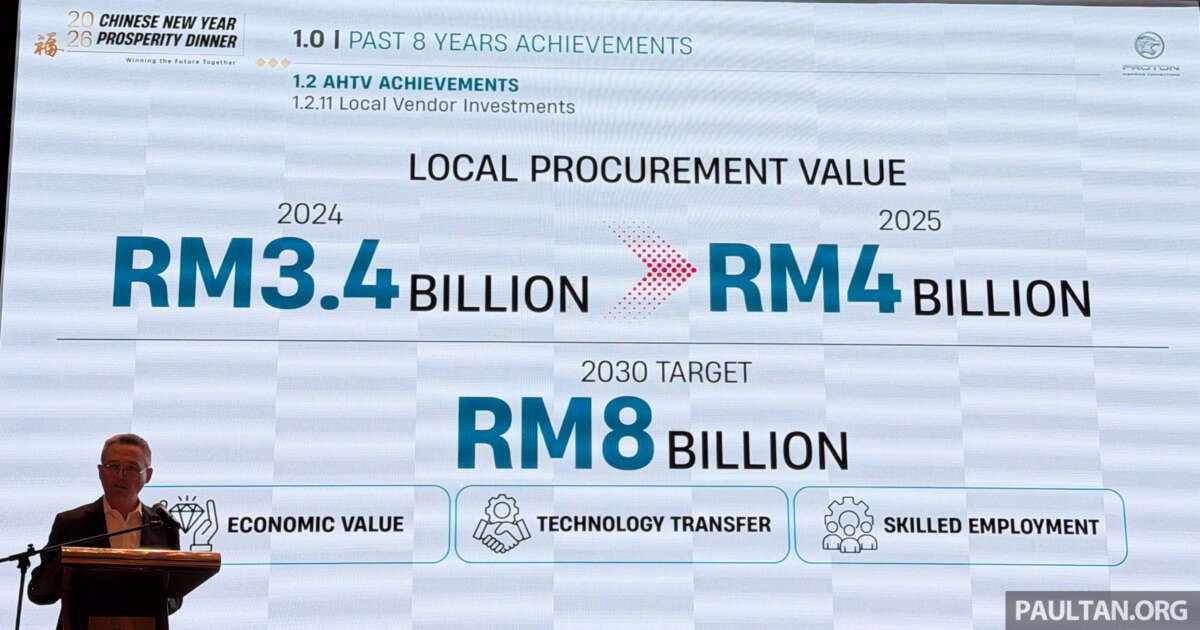
Proton aims to increase local parts procurement from RM4 billion to RM8 billion by 2030.
-
The strategy includes technology transfer to Malaysian vendors and creating skilled jobs.
-
This initiative is tied to Proton's sales target of 200,000 units this year and its ambition to become Malaysia's top car seller by 2029.
-
Proton faces a significant localization gap compared to Perodua, which procured RM11 billion in local parts last year.
Proton's Ambitious Vision for 2030
Proton, a prominent player in Malaysia's automotive landscape, has unveiled a bold strategy targeting a substantial increase in its local procurement value. The carmaker aims to procure RM8 billion worth of parts and components from Malaysian vendors by 2030, a significant leap from the RM4 billion achieved last year. This ambitious target is not merely about volume but is deeply intertwined with a broader vision to enhance economic value, facilitate critical technology transfer to local suppliers, and generate more opportunities for skilled labor within the country.
The proposed increase in local procurement is intrinsically linked to Proton's aggressive sales projections. The company has set its sights on selling 200,000 units this year, a critical stepping stone towards its ultimate goal of dominating the Malaysian automotive market by 2029. This would mean unseating current market leader Perodua, which currently holds the top spot nationally and is ranked second in ASEAN. Proton's long-term success hinges on robust domestic sales, which in turn fuels the demand for locally sourced components.
Catalyzing Local Industry and Technology Transfer
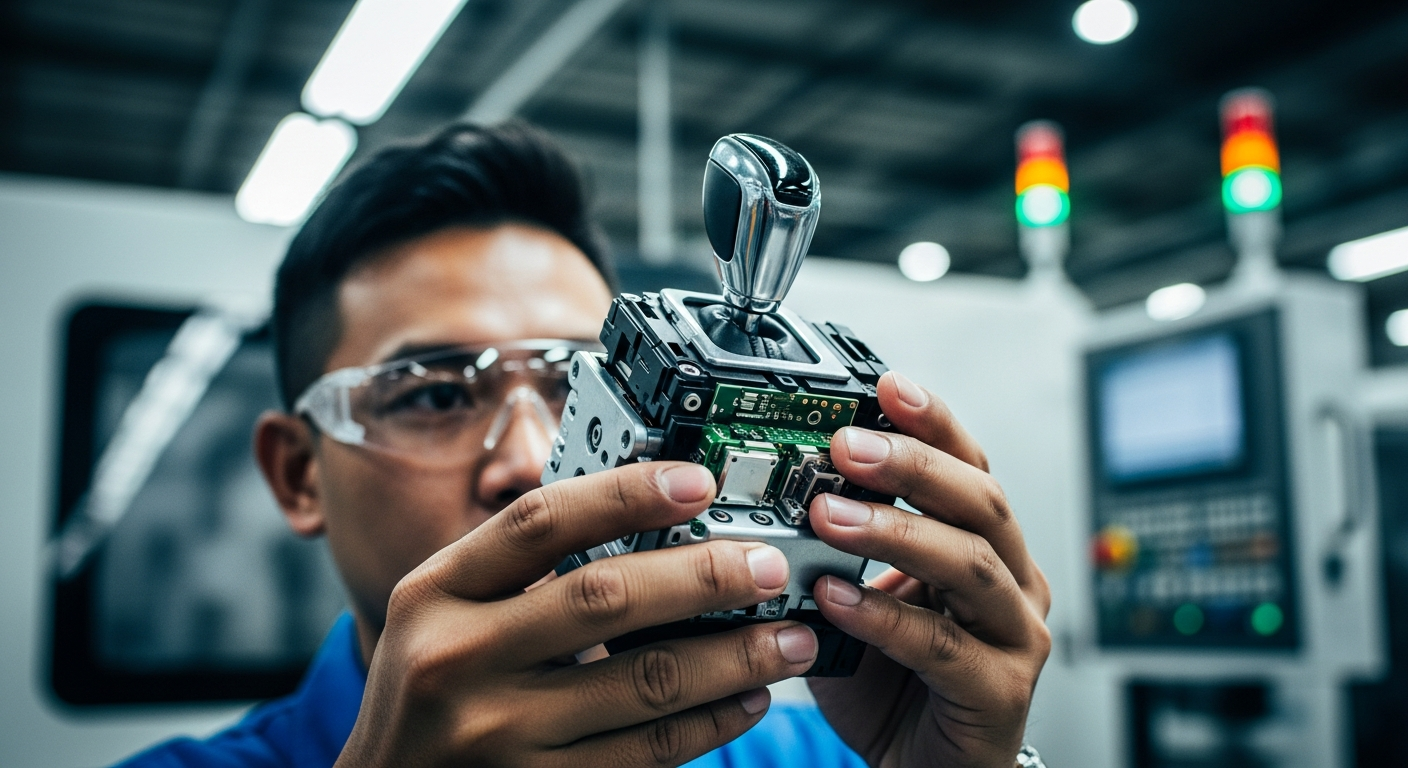
Beyond the financial targets, Proton's localization program emphasizes strategic partnerships and technological advancement. The company's efforts have already led to the introduction of 18 new technologies and the formation of joint ventures in crucial areas such as fuel pumps, electronic gearshift modules, and continuously variable transmissions (CVTs). These collaborations are vital for upskilling local vendors, enabling them to produce more sophisticated components and integrate into the global automotive supply chain. The transfer of technology is a cornerstone of this initiative, promising to elevate the capabilities of Malaysian manufacturing and reduce reliance on imported parts. Such advancements are crucial for a developing industrial economy seeking to move up the value chain.
Bridging the Localization Gap with Perodua
Despite Proton's forward-looking plans, a considerable gap remains between it and its national counterpart, Perodua, particularly in terms of localized parts procurement. Last year, Perodua demonstrated its formidable commitment to local sourcing by purchasing RM11 billion in parts from Malaysian vendors, significantly surpassing Proton's RM4 billion. This disparity is also reflected in their respective sales volumes and localization rates. Perodua sold an impressive 359,904 units in 2025, boasting a typical localization rate of 95%. In contrast, Proton sold 157,976 units last year. This stark difference underscores the scale of the challenge Proton faces in catching up and achieving its localization and market leadership ambitions. Closing this gap will require sustained investment, aggressive vendor development, and efficient integration of new technologies.
Strategic Imperatives and Market Dynamics
Proton's strategy is a clear response to evolving market dynamics and the imperative for national carmakers to contribute significantly to the domestic economy. By deepening its roots within the Malaysian supply chain, Proton aims to enhance its competitive edge, reduce production costs, and build a more resilient local ecosystem. This focus on localization not only supports government industrial policies but also strengthens the brand's national identity. The drive to become the best-seller by 2029 highlights the fierce competition within the Malaysian automotive sector, where consumer preference and value proposition are paramount. Success in this endeavor will ultimately depend on Proton's ability to consistently deliver high-quality, competitively priced vehicles while simultaneously nurturing a robust and technologically advanced local supply base.
Public Sentiment
Industry analysts and economic observers generally view Proton's ambitious localization and technology transfer program as a critical and positive step for Malaysia's industrial development. Many suggest that such initiatives are essential for diversifying the national economy beyond raw materials and into high-value manufacturing. There's a prevailing sentiment that fostering local expertise and reducing dependence on foreign components will build resilience within the automotive sector, especially in the face of global supply chain disruptions. Concerns, however, often revolve around the practical execution of technology transfer and the ability of local vendors to scale up production and quality to meet Proton's stringent demands within the stipulated timeframe. The significant gap with Perodua also serves as a benchmark, with expectations that Proton's efforts will accelerate to genuinely challenge its rival's entrenched position.
Conclusion
Proton's commitment to doubling local parts procurement to RM8 billion by 2030 marks a pivotal moment for the Malaysian automotive industry. This strategic pivot, coupled with explicit goals for technology transfer and job creation, positions the carmaker not just as a vehicle manufacturer but as a key driver of national industrial growth. While the path to unseating Perodua as the market leader and achieving robust localization targets presents considerable challenges, the outlined vision provides a clear roadmap. The success of this initiative will be a testament to Proton's strategic foresight and its ability to synergize its growth with the broader development of Malaysia's high-tech manufacturing capabilities.