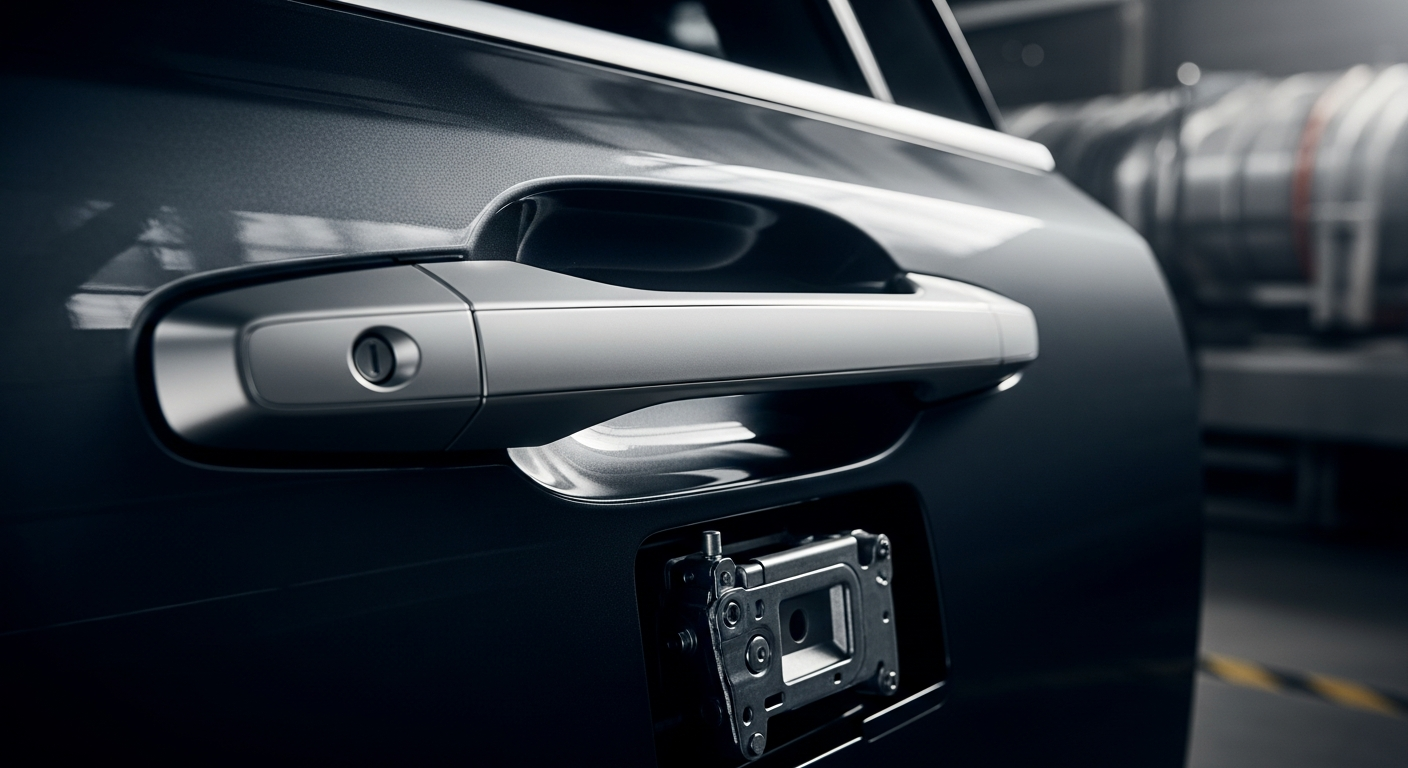
In an era where automotive design often pushes the boundaries of sleekness and digital integration, China has once again asserted its role as a global leader, this time in the realm of pragmatic safety. New regulations published by China's Ministry of Industry and Information Technology (MIIT) dictate that all cars sold within the country must feature mechanical releases on their door handles. Effective January 1, 2027, this mandate directly challenges the increasingly popular trend of hidden, electronically actuated door handles—a design popularized by Tesla and now widely adopted across numerous electric vehicles (EVs) worldwide.

This isn't merely a design preference; it's a critical safety intervention. The underlying concern revolves around emergency situations, where power failure or system malfunction could render electronic door handles inoperable, trapping occupants or hindering rescue efforts. China's move underscores a fundamental principle: essential safety mechanisms must remain robust and reliable, independent of complex electronic systems.
Key Takeaways:
-
Mandatory Mechanical Releases: By 2027, all cars sold in China must have manual, mechanical door handle releases.
-
Prioritizing Safety: The rule directly addresses safety concerns associated with electronic, hidden handles, particularly during accidents or power failures.
-
Challenging Design Trends: This regulation forces automakers to re-evaluate the balance between aesthetics and critical functionality.
-
Global Ripple Effect: China's position as the world's largest automotive market means this rule will likely influence global automotive design and safety standards.
-
Lessons for India: The proactive stance offers valuable insights for India's rapidly evolving automotive landscape, emphasizing practical safety over fleeting trends.
The Nexus of Innovation and Inconvenience
The allure of hidden door handles is undeniable. They contribute to a car's aerodynamic efficiency, reduce wind noise, and give a vehicle a clean, futuristic aesthetic. For electric vehicles, every fraction of improved aerodynamics translates into better range, making these design choices seemingly practical. However, the reliance on electronics for such a critical function introduces vulnerabilities. In the event of a severe collision, a vehicle's electrical system can be compromised, potentially jamming electronic door mechanisms. This could leave occupants unable to escape or make it difficult for first responders to access those inside, turning a design feature into a potential death trap.
China's new regulation, therefore, serves as a vital safeguard. It doesn't prohibit innovative designs entirely but rather insists on a fail-safe—a straightforward mechanical linkage that works irrespective of the car's power status. This ensures that in moments of crisis, the most basic means of egress remains fully functional, a testament to thoughtful regulatory oversight.
The Tesla Effect and Industry Adaptation
Tesla spearheaded the trend of hidden door handles, integrating them seamlessly into its minimalist design philosophy. Following suit, many other EV manufacturers, both domestic Chinese brands and international players, adopted similar approaches to project a modern, high-tech image. Now, with the 2027 deadline looming, these manufacturers face the challenge of redesigning their door handle mechanisms. This isn't a minor tweak; it requires significant engineering effort to integrate a mechanical release while potentially retaining some aesthetic appeal.
Automakers will need to innovate within the new constraints, perhaps by developing hybrid systems that are electronically assisted but possess an easily accessible mechanical override. This could foster a new wave of design solutions that are both visually appealing and inherently safer. The global scale of Chinese production and sales means that any design changes implemented to meet this regulation are likely to find their way into models sold in other markets as well, creating a de facto new industry standard.
Implications for India: A Call for Proactive Safety
For the Indian automotive market, China's proactive stance offers a valuable case study. India is one of the fastest-growing automotive markets globally, with an increasing focus on both electric vehicles and enhanced safety standards. Indian consumers, while appreciative of modern aesthetics, place a high premium on practicality, reliability, and most importantly, safety. Recent years have seen a significant push for stricter safety norms, including mandatory airbags and improved crash test ratings.
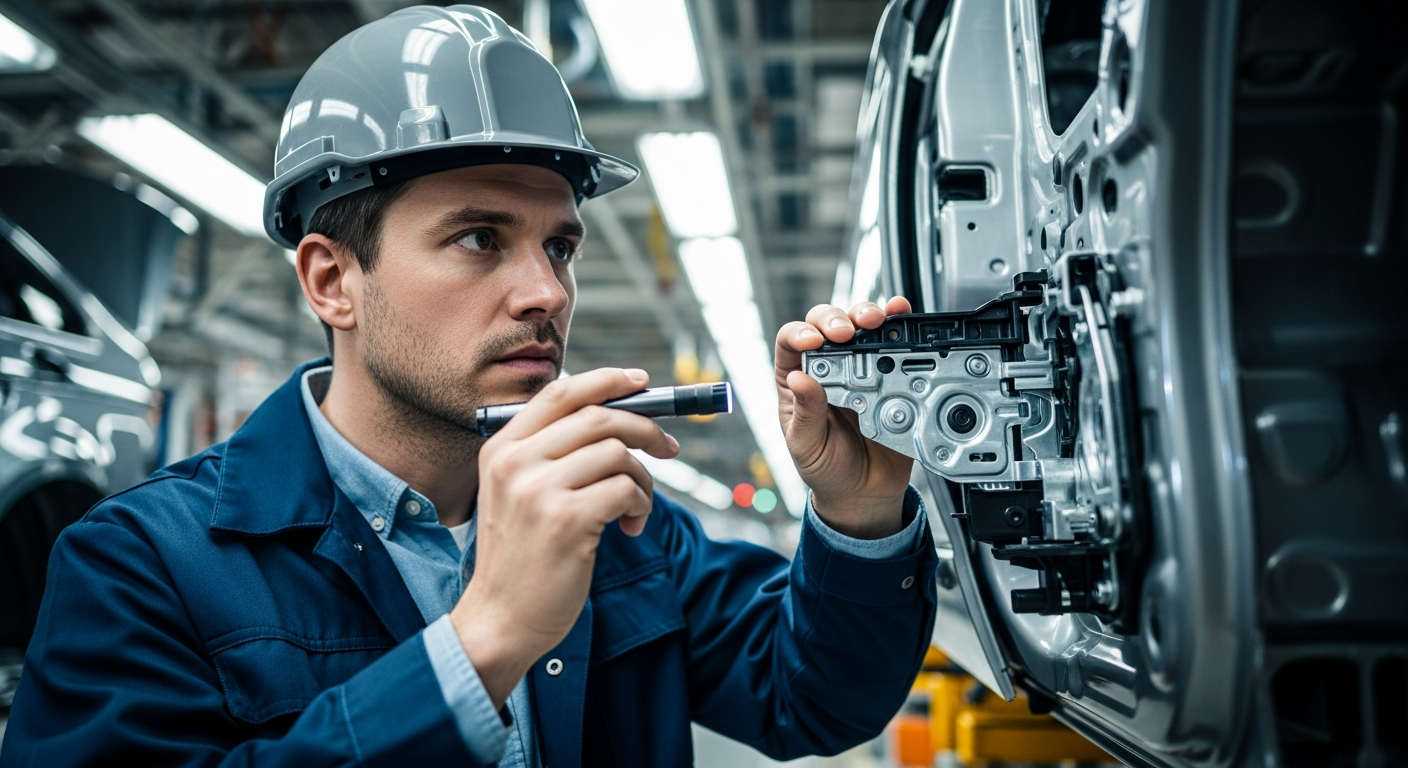
The Chinese regulation provides a precedent for India's regulatory bodies to consider similar measures. As more advanced EVs with sophisticated electronic systems enter the Indian market, ensuring fundamental safety features are not compromised by technology becomes paramount. Adopting similar mandates could further bolster India's commitment to road safety, aligning with the rising expectations of informed consumers who demand vehicles that are not only technologically advanced but also unequivocally safe under all circumstances.
Public Sentiment: A Resounding Affirmation of Safety
Across social media and public forums, the sentiment regarding China's new regulation has been overwhelmingly positive, particularly among safety advocates and general consumers. "Finally, a regulation that puts people first," commented one user, reflecting a common sentiment. Another shared, "Design should enhance safety, not compromise it. This is a common-sense rule." Industry experts in India have also weighed in, with one analyst noting, "This is a timely reminder that core safety functions cannot be outsourced to software alone. Mechanical redundancy is crucial, especially in our diverse and often challenging road conditions. India should take note."
Conclusion
China's mandate on mechanical car door handles is a pivotal moment in the ongoing dialogue between automotive innovation and fundamental safety. It's a clear directive that while technology and design can push boundaries, they must always serve the primary goal of protecting human life. By demanding a practical, fail-safe mechanism, China is not just setting a national standard but potentially shaping global automotive policy, encouraging manufacturers worldwide to re-prioritise robust safety engineering. For India, this represents an opportunity to consider similar progressive regulations, fostering an environment where advanced vehicles are synonymous with uncompromised safety, truly empowering consumers with peace of mind on every journey.