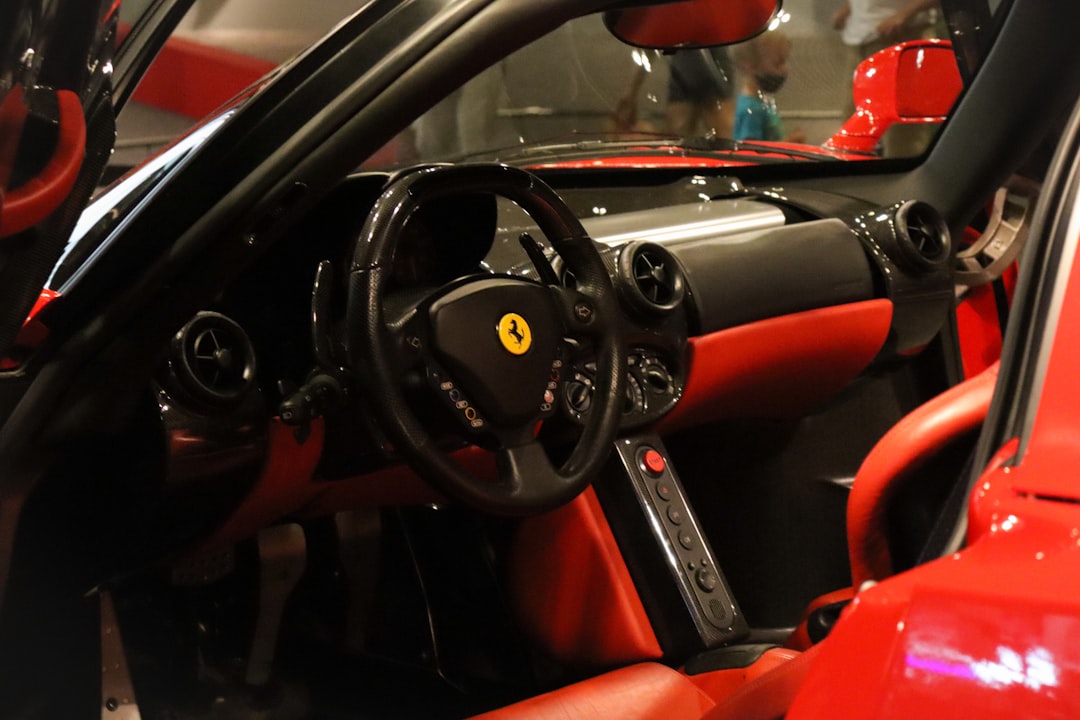
The announcement that Jony Ive's design firm, LoveFrom, is responsible for the interior of Ferrari's inaugural all-electric supercar, the Luce, marks a significant convergence of two distinct yet equally revered worlds: high-performance luxury automotive and groundbreaking consumer electronics design. This collaboration extends beyond a mere branding exercise; it signals a fundamental re-evaluation of what constitutes luxury and innovation in the burgeoning electric vehicle market.
The Architect of Simplicity Meets Italian Craftsmanship
Jony Ive, alongside his long-time collaborator Marc Newson, founded LoveFrom after his departure from Apple in 2019. Ive’s legacy at Apple is synonymous with design purity, user intuition, and an unwavering commitment to material excellence – principles that defined products ranging from the original iMac to the iPhone. His involvement with Ferrari’s first EV interior suggests a direct application of this philosophy to a realm traditionally defined by intricate mechanical forms, tactile controls, and a more aggressive aesthetic.
Ferrari's decision to entrust such a crucial element of its future flagship EV to an external design house, particularly one rooted outside traditional automotive design, is a bold strategic maneuver. It highlights a recognition that the transition to electric powertrains is not just about performance metrics or battery range, but also about a reimagined user experience and a new definition of in-cabin luxury. Ive's approach, often characterized by minimalism and seamless integration of technology, could translate into an interior that prioritizes spaciousness, intuitive digital interfaces, and a refined sensory experience, moving away from the button-laden cockpits of gasoline-powered supercars.

Ferrari's Strategic Leap into Electrification
The Luce, previously known as the Elettrica, carries immense weight for Ferrari. As the brand's first fully electric vehicle, it represents its commitment to an electrified future while attempting to preserve the iconic "Ferrari experience." By partnering with LoveFrom, Ferrari is likely seeking to differentiate the Luce not just on performance, but on a unique blend of heritage and future-forward design. The name "Luce," meaning "light" in Italian, subtly hints at a design philosophy that might emphasize visual lightness, clarity, and perhaps even literal illumination within the cabin, contrasting with the heavier, more complex aesthetics sometimes found in current luxury EVs.
This move could be interpreted as Ferrari acknowledging the shifting expectations of high-net-worth consumers. Modern luxury is increasingly defined by seamless technology, sustainable practices, and understated elegance, rather than overt displays of power. Ive’s design ethos, focused on enhancing the human interaction with technology, positions the Luce to potentially deliver a cabin experience that is both technologically advanced and deeply intuitive, reducing complexity to elevate the driving (or riding) experience.
Implications for the Luxury Automotive Landscape
The collaboration sets a precedent. If the Luce's interior successfully melds Ferrari's performance pedigree with LoveFrom's minimalist elegance, it could inspire other luxury automakers to look beyond traditional design studios for their next-generation EV interiors. The automotive industry is currently undergoing a massive transformation, with software and user experience becoming as critical as horsepower and handling. Designers like Ive, with a deep understanding of human-computer interaction and industrial aesthetics, are uniquely positioned to shape these new paradigms.
The aesthetic direction is expected to be clean, devoid of unnecessary clutter, and focused on exquisite materials. Think seamlessly integrated displays, perhaps innovative haptic feedback, and a cabin architecture that feels both sophisticated and inherently user-friendly. This approach could redefine what a "driver-focused" interior means in the age of electrification, where digital interfaces play an even more central role.
Public Sentiment: Anticipation and Speculation
Early reactions across automotive forums and design communities are a mix of intense anticipation and cautious speculation. Enthusiasts are eager to see how Ive’s signature minimalist style will translate into a Ferrari, a brand known for its bold, passionate expressions. Some are concerned that an "Apple-like" interior might dilute Ferrari's visceral appeal, while others are excited by the prospect of a truly innovative and uncompromised luxury EV experience. The partnership is widely viewed as a clear statement from Ferrari: its electric future will not merely be an adaptation, but a reinvention.
Conclusion
The decision to bring Jony Ive and LoveFrom into the design process for the Ferrari Luce’s interior is more than a high-profile collaboration; it is a strategic declaration. Ferrari is signaling its intention to lead, not just in electric performance, but in defining the very essence of luxury EV design. By merging Ive’s minimalist, user-centric approach with its own storied legacy of performance and craftsmanship, Ferrari aims to create an electric supercar that resonates with the sophisticated tastes of the 21st century, setting a new standard for what an electrified luxury automotive experience can be. This partnership will undoubtedly be one of the most closely watched developments in both the automotive and design worlds, with potential ramifications far beyond the confines of Maranello.
Key Takeaways:
-
Ferrari's first all-electric supercar, the Luce, will feature an interior designed by Jony Ive and Marc Newson's firm, LoveFrom.
-
This collaboration signifies Ferrari's embrace of a more minimalist, tech-integrated design philosophy for its EV lineup.
-
Jony Ive, renowned for his work at Apple, brings his iconic user-centric design approach to the luxury automotive sector.
-
The move suggests a broader industry trend where design innovation from consumer electronics increasingly influences high-end vehicles.
-
The "Luce" (Italian for "light") name change from "Elettrica" hints at a focus on refinement and experience over mere electrification.