Key Takeaways:
-
Definition: Physical AI merges sophisticated AI algorithms with physical robotic systems, enabling intelligent interaction with the real world.
-
Core Applications: It is driving significant advancements in autonomous mobility (vehicles, drones), logistics, manufacturing, and smart city infrastructure.
-
Hype vs. Reality: While generating considerable buzz, practical implementation faces hurdles like high costs, ethical concerns, robust regulation, and essential infrastructure development.
-
Economic Impact: The technology promises enhanced efficiency, safety, and new economic avenues across various sectors.
-
Indian Context: India stands to benefit significantly from Physical AI, particularly in smart cities, industrial automation, and improving last-mile connectivity, provided strategic investments and policies are put in place.
The Dawn of Physical AI: Beyond the Screen
The digital revolution has long been defined by algorithms, data, and screens. However, a new paradigm is emerging, one where artificial intelligence extends its reach beyond the virtual into the tangible world: 'Physical AI'. As highlighted by TechCrunch Mobility, this concept is rapidly moving from theoretical discussions to the forefront of technological innovation, entering what many observers term the 'hype machine'.
Unlike traditional AI, which primarily processes information and makes decisions in a digital realm, Physical AI endows systems with the ability to perceive, reason, and act within physical environments. It represents the sophisticated convergence of AI, robotics, sensors, and actuators, creating intelligent agents that can manipulate objects, navigate spaces, and interact with humans and other machines in real-time physical contexts. Think of it as the brain (AI) seamlessly integrated with the body (robotics).
Revolutionising Mobility: A Tangible Transformation
The most immediate and visible impact of Physical AI is unfolding within the mobility sector. Autonomous vehicles, from self-driving cars and trucks to drones delivering packages, are perhaps the most compelling examples. These systems rely on Physical AI to interpret complex sensory data—lidar, radar, cameras—to understand their surroundings, predict events, make instantaneous navigation decisions, and physically operate the vehicle in dynamic environments.
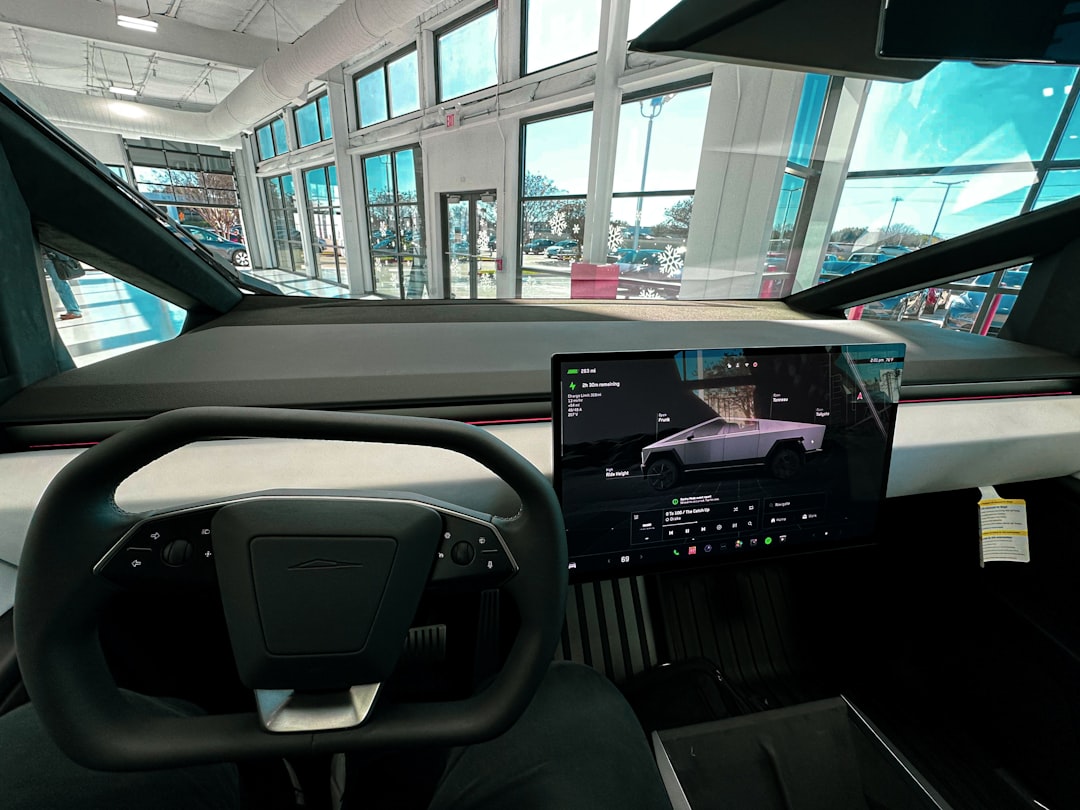
- Autonomous Driving: Physical AI enables cars to 'see' pedestrians, 'understand' traffic signals, and 'react' to sudden obstacles, moving beyond mere programmed responses to genuinely intelligent, adaptive behaviour.
-
Logistics and Delivery: Fleets of autonomous robots in warehouses and drones making last-mile deliveries are powered by Physical AI, optimising supply chains and reducing human intervention. This translates to faster, more efficient, and potentially safer movement of goods.
-
Smart Infrastructure: The future vision of smart cities includes intelligent traffic management systems that adapt to real-time conditions, autonomous public transport, and infrastructure that can monitor and self-repair. These require Physical AI systems embedded throughout the urban fabric, constantly sensing and adjusting.
This convergence promises not just convenience but also substantial improvements in safety, efficiency, and resource utilisation, addressing some of the most pressing challenges faced by modern urban environments, including those in densely populated Indian cities.
Navigating the Hype Cycle: Promises and Pitfalls
The 'hype machine' surrounding Physical AI is a double-edged sword. While it attracts crucial investment and accelerates development, it also risks overpromising capabilities before the technology is fully mature. The journey from laboratory prototype to widespread deployment is fraught with challenges:
-
Technological Maturity: Ensuring robust perception, decision-making, and execution in unpredictable real-world scenarios remains a significant hurdle. Edge cases, where the system encounters unforeseen situations, demand extremely sophisticated AI.
-
Cost and Scale: The development and deployment of Physical AI systems are capital-intensive. Miniaturising components, reducing energy consumption, and achieving economies of scale are critical for broad adoption.
-
Regulatory Frameworks: Governments worldwide are grappling with how to regulate autonomous systems. Questions around liability in accidents, data privacy, and ethical use are paramount and require comprehensive legislative action.
-
Public Acceptance and Ethics: Overcoming public skepticism and addressing ethical concerns—such as job displacement, accountability, and the potential for misuse—is vital for societal integration. Clear guidelines and transparent development processes are essential.
India's Trillion-Dollar Opportunity: Localising Global Innovation
For India, Physical AI presents a colossal opportunity, aligning with national imperatives like 'Make in India' and 'Smart Cities'. The country's growing digital infrastructure, robust IT talent pool, and significant industrial base provide fertile ground for the adoption and innovation of Physical AI.
-
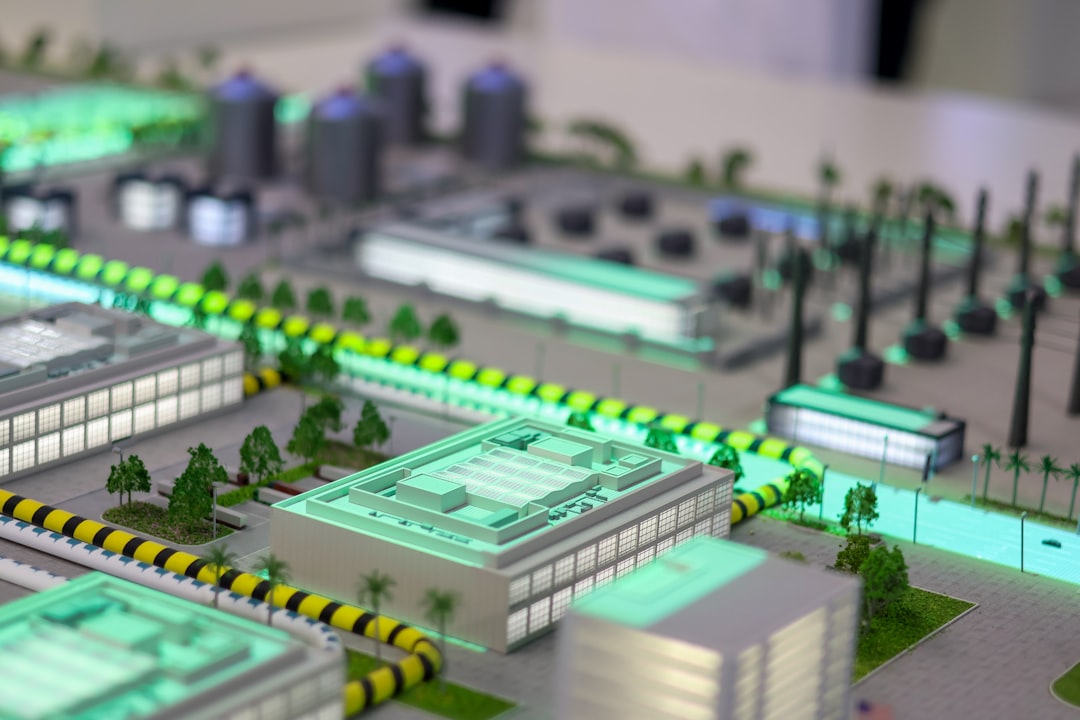
Smart Urbanisation: Indian cities, facing immense pressure from population growth and traffic congestion, could leverage Physical AI for intelligent public transport, waste management, and emergency services. Autonomous shuttles and drones could address last-mile connectivity challenges in both urban and rural areas.
-
Industrial Automation: The manufacturing sector can adopt Physical AI-powered robotics to enhance productivity, improve worker safety, and achieve precision in complex tasks, boosting competitiveness on a global scale.
- Healthcare and Agriculture: Beyond mobility, Physical AI can revolutionize precision agriculture with autonomous farming robots and assist in healthcare with robotic surgery and patient care systems.
However, realising this potential requires significant investment in R&D, development of a skilled workforce, and proactive, adaptable regulatory policies that encourage innovation while safeguarding public interest.
Public Sentiment: Apprehension and Aspiration
Public discourse around Physical AI often oscillates between enthusiastic anticipation and profound apprehension. On one hand, many envision a future where tedious tasks are automated, safety is enhanced, and new services emerge, leading to an overall improved quality of life.
-
“The idea of my groceries being delivered by a drone, or an autonomous vehicle navigating through city traffic, sounds incredibly efficient. It’s the next logical step in progress,” remarked a Mumbai-based tech enthusiast.
-
Conversely, concerns about job displacement and the ethical implications of machines making critical decisions are prominent. “What happens when an autonomous vehicle has to choose between two bad outcomes? And what about the livelihoods of millions of drivers? These are questions that need solid answers before we fully embrace this,” voiced a Bengaluru transport union representative.
These sentiments underscore the necessity for inclusive dialogue and clear communication from both innovators and policymakers to build trust and ensure a smooth transition into an AI-powered physical world.
Conclusion: Intelligent Action for a Smarter Future
Physical AI is not merely a technological upgrade; it represents a fundamental shift in how intelligence interacts with the material world. While the 'hype machine' might generate a whirlwind of excitement, the underlying technology holds genuine promise for transforming mobility, industry, and daily life. For India, this wave of innovation offers a chance to leapfrog traditional development hurdles and position itself as a leader in deploying intelligent, physically capable systems. However, success hinges on a balanced approach—fostering innovation responsibly, building robust regulatory frameworks, addressing ethical concerns proactively, and investing in the human capital required to harness this transformative power effectively. The future of intelligent action in the physical realm is not just about technology; it's about intelligent governance and societal preparedness.