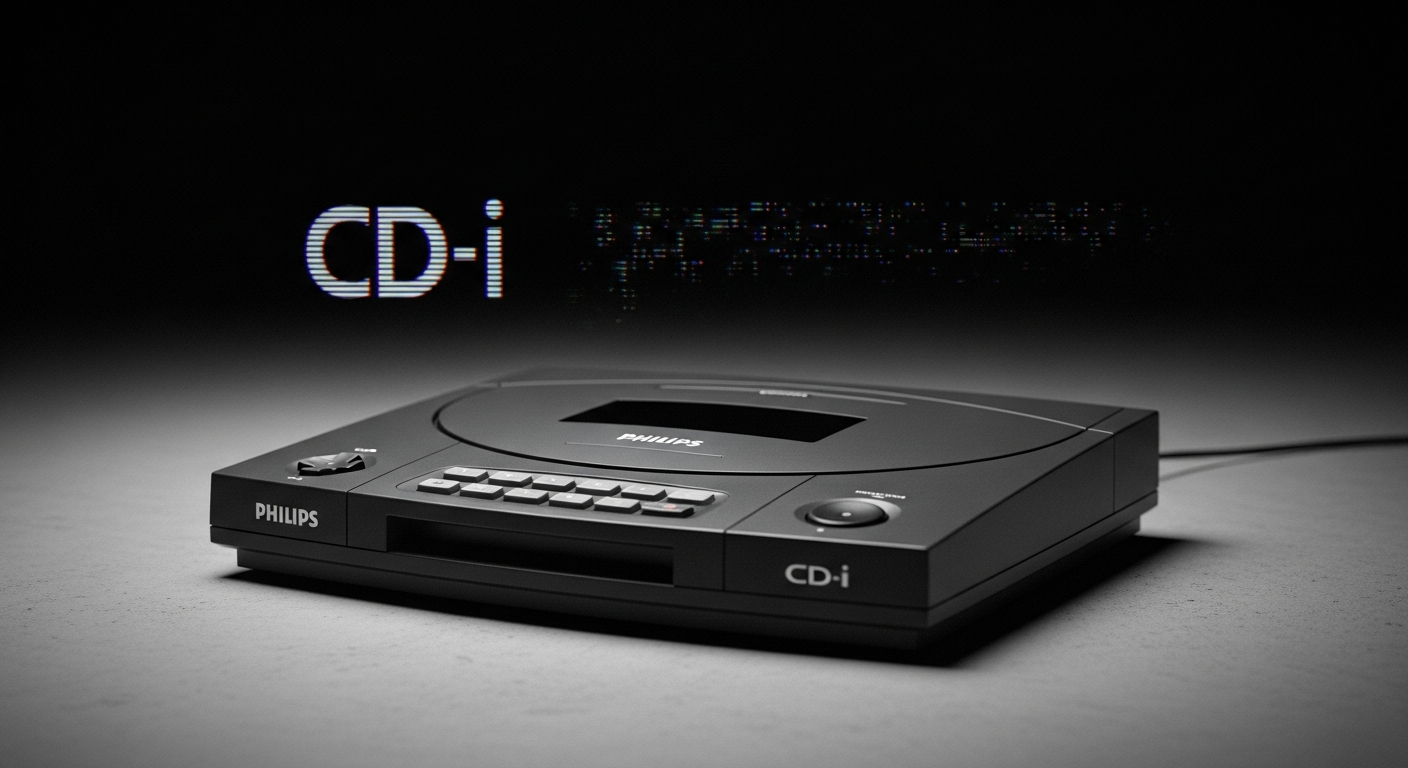
The Philips CD-i: A Cautionary Tale of Ambition Over Application
[FEATURED]
In the ever-evolving landscape of consumer electronics, innovation is often a double-edged sword. For every iPhone or PlayStation that redefines an industry, there's a cautionary tale of a product that missed the mark, spectacularly. The Philips CD-i, or Compact Disc Interactive, stands as one of the most prominent such tales. What began as an ambitious venture into interactive multimedia in the early 1990s quickly spiraled into a strategic quagmire, largely remembered today for its profoundly underwhelming games and a hefty price tag that belied its capabilities.
Key Takeaways
-
Identity Crisis: The CD-i was launched without a clear market position, oscillating between an educational tool, a home entertainment system, and eventually, a gaming console.
-
Technical Underperformance: Its hardware was underpowered and expensive, struggling to deliver on its multimedia promises and proving wholly inadequate for competitive gaming.
-
Gaming Misadventure: Its pivot to gaming, especially with licensed Nintendo titles, resulted in historically panned games that permanently tarnished its reputation.
-
Market Disconnect: Philips failed to understand consumer expectations, delivering a product that was too costly for its value proposition and too niche for mass appeal.
-
Strategic Lessons: The CD-i remains a potent example of how an unfocused strategy, poor execution, and a disconnect from market realities can doom even a well-resourced multinational's product.
A Console in Search of an Identity
Philips, a titan of electronics, envisioned the CD-i not as a game console but as a versatile multimedia device. It aimed to bring interactive encyclopedias, educational software, and 'full motion video' — a novelty at the time — into living rooms. The concept itself was not without merit, considering the nascent stages of digital multimedia. However, its execution was fundamentally flawed. The initial launch in 1991 presented a system that was clunky, difficult to navigate, and offered content that was, for the most part, neither compelling nor essential. It was a jack of all trades, master of none, priced exorbitantly in an era when simpler, dedicated devices were far more appealing.
Technical Missteps and Market Miscalculation
At the core of the CD-i's struggles lay its technical foundation. While CD-ROM technology offered vast storage compared to cartridges, Philips' implementation was lacklustre. The processor was slow, graphics capabilities were primitive even by early 90s standards, and the user interface was cumbersome. This hardware limitation was compounded by an almost delusional pricing strategy; units retailed for upwards of $700 (over ₹20,000 back then, significantly more in today's terms when adjusted for inflation and purchasing power), placing it far beyond the reach of the average consumer seeking a simple entertainment device. It attempted to carve a niche between home computers and dedicated game consoles but offered the worst of both worlds: less utility than a PC, and vastly inferior gaming experiences compared to a Sega Genesis or Super Nintendo.
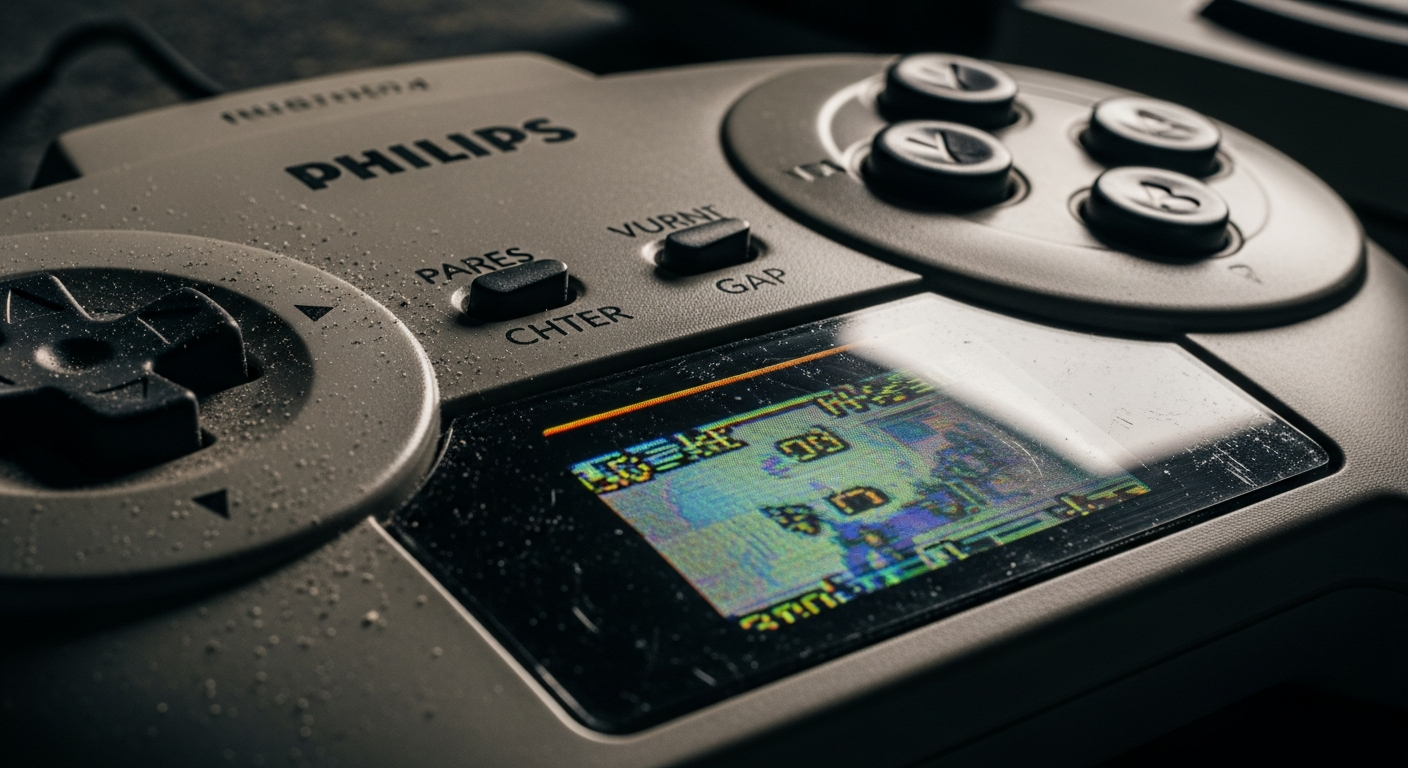
Philips seemed to operate under the assumption that cutting-edge technology, even if poorly integrated and overpriced, would find an audience. This market miscalculation was a fatal error, particularly in regions like India, where value and functionality have always been paramount for tech adoption. The CD-i's failure highlighted a fundamental disconnect between engineering prowess and consumer demand.
The Gaming Blunder: A Legacy of Shame
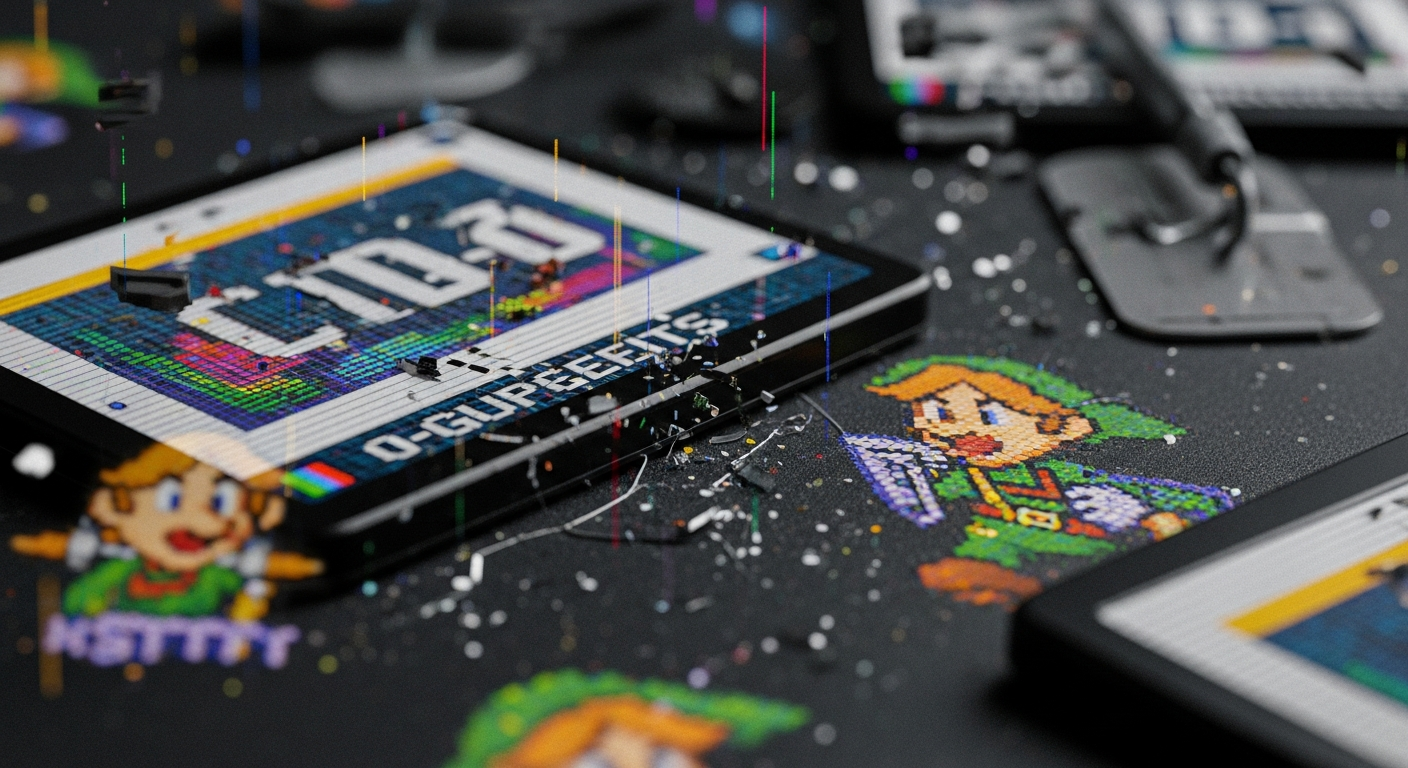
Perhaps the most enduring (and damaging) aspect of the CD-i's legacy is its reluctant pivot to gaming. Faced with dwindling sales and a lack of compelling multimedia content, Philips attempted to reposition the CD-i as a gaming console. This was largely facilitated by a notorious licensing agreement with Nintendo, which allowed Philips to use beloved Nintendo characters like Mario and Link in their own games. The result was a series of titles – Hotel Mario, Link: The Faces of Evil, and Zelda: The Wand of Gamelon – that are universally regarded as some of the worst video games ever made. They suffered from clunky controls, terrible voice acting, jarring animation, and a complete misunderstanding of the source material's appeal. These games didn't save the CD-i; they ensured its permanent condemnation to the gaming hall of shame, a stark reminder of what happens when iconic intellectual property is handled without care or competence.
Philips' Strategic Blind Spot
The CD-i's failure was not merely a product failure; it was a strategic misfire on a grand scale by a major corporation. Philips, with its rich history of innovation, demonstrated a remarkable blind spot regarding market trends, competitive analysis, and product positioning. The inability to adapt, the stubborn insistence on a multifaceted identity, and the eventual, desperate dive into gaming without proper resources or understanding, all paint a picture of corporate hubris. It serves as a stark lesson: even established players can stumble badly when they lose touch with their target audience and the realities of a rapidly changing tech landscape.
Public Sentiment
Public and critical sentiment surrounding the CD-i has consistently been one of bewilderment and disappointment. Contemporary reviews often highlighted its high cost and lack of compelling software. Decades later, it remains a frequent topic in discussions about 'worst consoles ever' or 'biggest tech flops.' Online forums and retrospectives are replete with comments like, "It promised the future but delivered a headache," "My parents bought it thinking it was educational; it was just expensive," and "Those Zelda games… a scar on gaming history." This sustained negative perception underscores the depth of its failure and its indelible mark on consumer memory.
Conclusion
The Philips CD-i stands as a monumental cautionary tale in the annals of consumer electronics. Its journey from an ambitious multimedia device to a ridiculed gaming platform illustrates the critical importance of a clear product vision, robust technical execution, and a deep understanding of market demands. For companies today, especially those venturing into new technological frontiers, the CD-i's legacy is a potent reminder: innovation alone is insufficient. It must be paired with strategic foresight, consumer empathy, and an unwavering commitment to quality and value. Without these, even the grandest ambitions are destined to become mere footnotes in a history of technological missteps.