
The Panadapter Paradox: When Digital Nostalgia Meets Analog Reality
For decades, the panadapter—a device capable of visualizing a radio receiver’s signal spectrum—was the exclusive domain of well-funded institutions and the wealthiest amateur radio enthusiasts. Its advanced capabilities were once a hallmark of cutting-edge, if astronomically priced, technology. Today, however, the landscape has shifted dramatically. Off-the-shelf and DIY solutions have democratized the panadapter, making it an accessible addition for enthusiasts seeking to modernize their beloved classic receivers. Yet, this apparent technological triumph warrants a closer, more critical examination. The integration of modern digital analysis into vintage analog hardware is less a seamless evolution and more a fraught collision, exposing deeper tensions between technological progress, consumer desire, and the relentless march of obsolescence.
Key Takeaways:
-
Superficial Enhancement: While panadapters offer a compelling visual interface, they often act as a digital overlay that doesn't fundamentally address the core limitations of classic analog receivers.
-
The Illusion of 'Upgrade': Bolting modern functionality onto dated architecture can create a false sense of comprehensive improvement, diverting resources and attention from genuine innovation.
-
Cost vs. Value: The total investment in acquiring, integrating, and often modifying vintage gear for a panadapter may exceed the cost and performance of a purpose-built, modern software-defined radio (SDR).
-
Technological Debt: This trend highlights a broader societal inclination to defer replacement of legacy systems through incremental, often suboptimal, digital 'patches'.
-
Erosion of Purity: For some purists, the integration compromises the historical integrity and 'pure' analog experience of classic ham radio.
A Digital Veneer Over Analog Foundations
The appeal of a panadapter is undeniable. It transforms an abstract audio signal into a vibrant, real-time visual representation, offering immediate feedback on band conditions and signal presence. For operators accustomed to tuning by ear, this graphical insight can feel revolutionary. But herein lies the paradox: the panadapter, by its very nature, relies on the receiver's intermediate frequency (IF) output. This means its performance is inextricably tied to the often-inferior IF bandwidth, selectivity, and dynamic range of the classic receiver it's attached to.
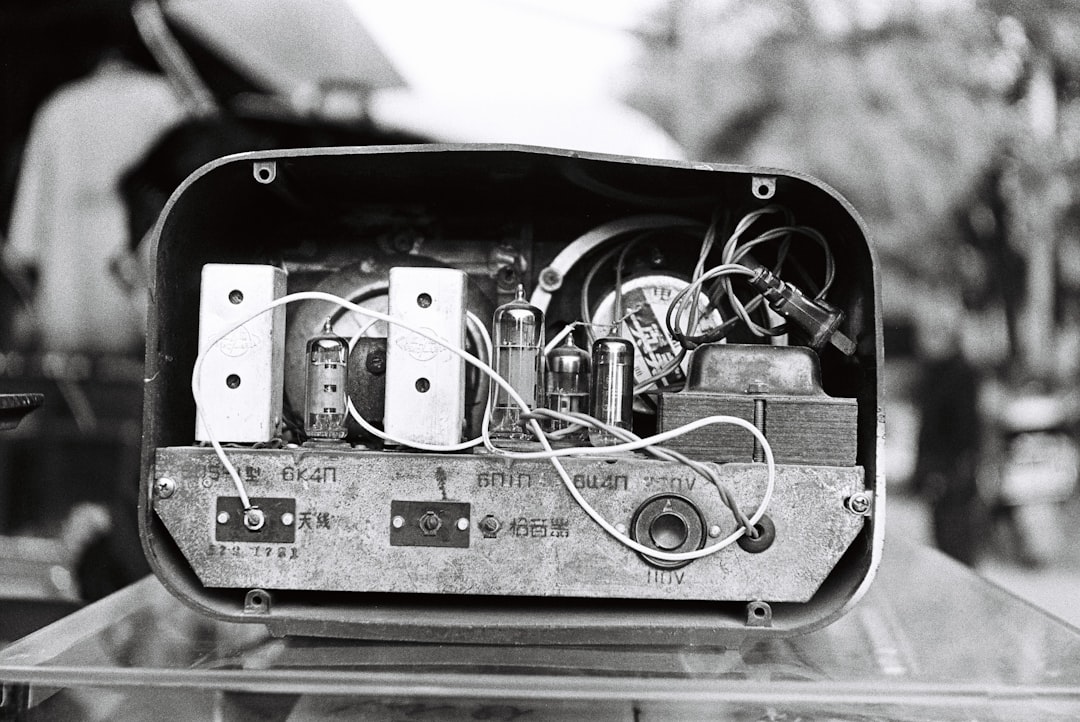
It’s akin to equipping a vintage automobile with a state-of-the-art digital dashboard; while the display is modern, the underlying engine, suspension, and braking systems remain fundamentally unchanged, limiting the true potential of the 'upgrade.' The crisp digital readout cannot magically enhance the analog receiver’s inherent noise floor or susceptibility to interference, features that dictate actual performance.
The Cost of Nostalgia: When 'Better' Isn't Truly So
The pursuit of modernizing classic equipment often stems from a potent blend of nostalgia and a desire to extract maximum utility from existing assets. However, the economic rationale frequently falters under scrutiny. Acquiring a classic receiver, particularly one in good condition, can be expensive. Adding a panadapter often necessitates specialized interface boards, software, and sometimes complex modifications to the receiver itself, involving both monetary cost and the risk of damaging irreplaceable vintage components. When factoring in these expenditures, the total investment can quickly approach, or even surpass, the cost of a contemporary software-defined radio (SDR) that offers superior spectral analysis, broader frequency coverage, and vastly better performance metrics out of the box. The 'upgrade' then ceases to be a cost-effective solution and becomes a hobbyist's indulgence, driven more by sentiment than by sound engineering or financial prudence.
This trend is not isolated to amateur radio. We see similar patterns in industrial control systems, medical devices, and even consumer electronics, where legacy hardware is kept operational through a patchwork of software updates and bolt-on peripherals. This strategy, while seemingly extending the life of equipment, often incurs what is known as 'technical debt'—a hidden cost associated with maintaining outdated systems that become increasingly brittle, inefficient, and difficult to secure. The panadapter, in this context, becomes a symbol of this broader inclination: a seemingly clever patch that defers the inevitable, rather than embracing a more fundamental, often more efficient, shift in technology.
Public Sentiment: Divided Loyalties
The ham radio community itself is divided on this issue. Proponents herald the panadapter as a revitalizing force, bridging the gap between generations of technology. “It’s like giving new eyes to an old friend,” one forum user, 'Radio_Guru77', enthusiastically posted. “I can see signals I never knew existed!” Another, 'BandScanner', stated, “Why throw out a perfectly good receiver when a simple addition can make it so much more useful?”
Conversely, a vocal segment expresses skepticism or outright disdain. 'AnalogPurist' lamented, “You’re not really operating a classic rig if half your attention is on a digital screen. It dilutes the experience.” Others point to the pragmatic shortcomings. 'SignalSkeptic' noted, “You can put lipstick on a pig, but it’s still a pig. The panadapter won’t fix bad filters or a noisy front end.” This ideological schism underscores the fundamental question: what constitutes 'value' in an era of rapid technological advancement, and where do we draw the line between preservation and progress?
Conclusion: A Cautionary Tale of Modernization
The panadapter’s journey from elite luxury to accessible add-on is, at first glance, a testament to technological democratization. However, its widespread integration into classic ham radio receivers offers a more nuanced and critical perspective. It represents a prevalent, yet often misguided, attempt to overlay modern capabilities onto fundamentally different architectures, creating a solution that is often suboptimal, economically questionable, and potentially misleading in its claims of true enhancement. As industries and consumers grapple with the accelerating pace of innovation and the inherent obsolescence of hardware, the panadapter paradox serves as a cautionary tale: true progress often demands more than just bolting on a new display; it requires a willingness to fundamentally reimagine, redesign, or, when necessary, respectfully retire legacy systems in favor of genuinely transformative solutions. The allure of a quick digital fix can be powerful, but the enduring performance and long-term viability of systems depend on addressing their core, not merely their surface. [FEATURED]