Key Takeaways
-
Helium Inc.'s pivot from LoRaWAN to WiFi significantly devalued its dedicated mining hardware.
-
A growing community movement is repurposing obsolete cryptocurrency miners into functional network devices.
-
The transformation of a Nebra miner into a Meshcore repeater exemplifies this innovative trend.
-
This ingenuity offers potential for reducing electronic waste and fostering new decentralized network applications.
-
The story highlights the adaptability of hardware and the power of open-source community solutions in a rapidly evolving tech landscape.
The Helium Pivot and its Aftermath
For years, Helium captivated the imagination of tech enthusiasts and crypto investors alike with its promise of a decentralized global network for Internet of Things (IoT) devices, powered by its unique Proof-of-Coverage consensus mechanism. Thousands invested in specialized hardware, like the Nebra Hotspot Miner, designed to broadcast LoRaWAN signals and earn Helium tokens (HNT). The vision was ambitious: a user-owned network that would rival traditional telecom infrastructure.
However, the landscape shifted dramatically. Citing evolving market demands and a desire to expand its utility, Helium Inc. announced a strategic pivot, largely divesting from its LoRaWAN focus in favor of a new direction centered on distributed 5G and WiFi networks. While proponents argued this move ensured Helium's long-term viability, it left a substantial installed base of LoRaWAN miners with diminished utility, effectively turning thousands of dollars' worth of specialized hardware into expensive paperweights for many owners. The sentiment among a segment of the community was one of frustration, feeling that their initial investment in the LoRaWAN ecosystem had been undermined.
From Miner to Meshcore: The Technical Transformation
It is against this backdrop of obsolescence that a remarkable repurposing effort has emerged. Resourceful individuals and open-source communities have begun transforming these "brick-like" Nebra miners into Meshcore repeaters. The core concept involves replacing the proprietary firmware and specialized mining software with new, open-source operating systems and applications tailored for general-purpose networking.
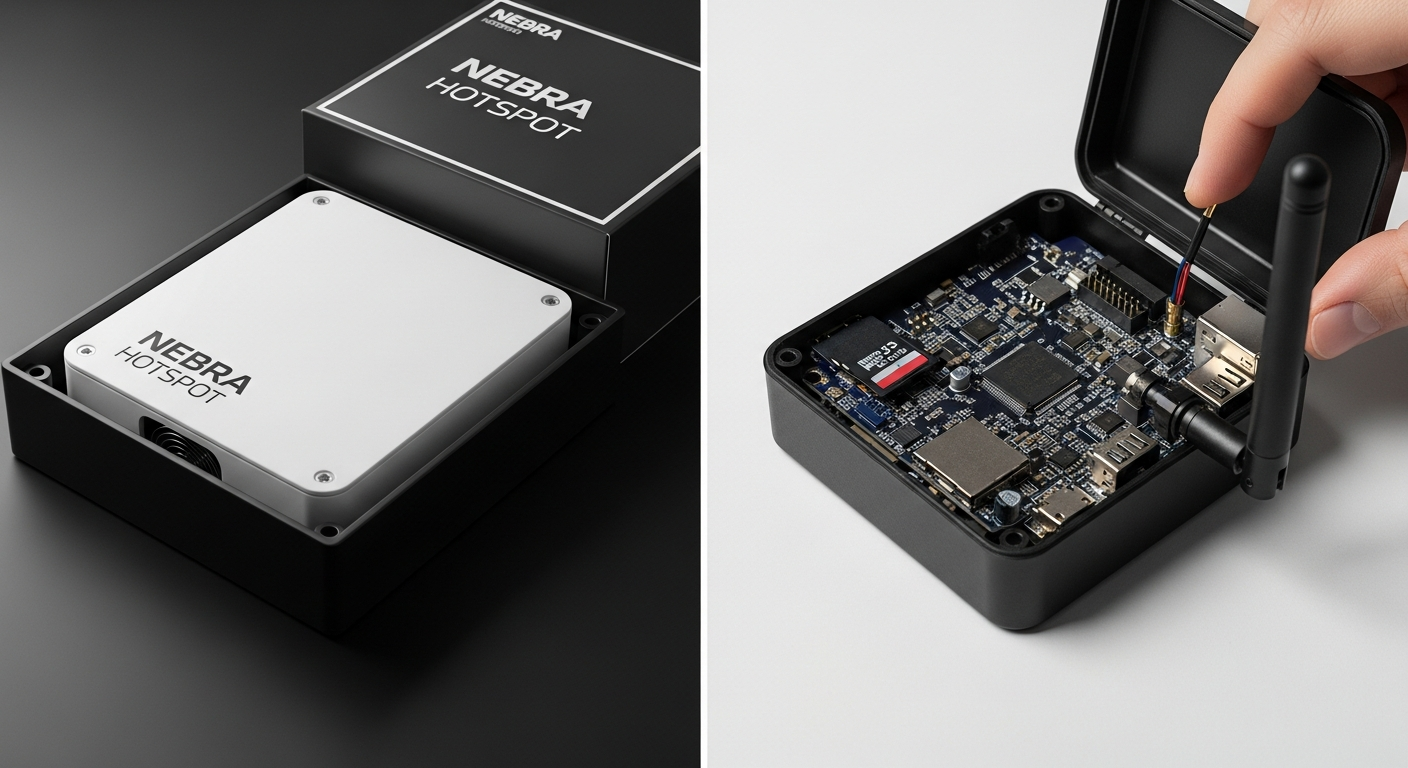
The Nebra miner, at its heart, is a compact computer, typically housing a System-on-Chip (SoC) like a Raspberry Pi Compute Module or similar ARM-based processor, alongside Wi-Fi, Bluetooth, and crucially, a LoRa concentrator. While the LoRa concentrator might remain unused in a WiFi Meshcore repeater setup, the powerful underlying CPU, ample RAM, and robust power delivery system are perfectly suited for running alternative network services. The transformation often involves flashing new firmware via an SD card or directly accessing the board's bootloader, followed by installing software packages like OpenWrt or custom Linux distributions configured for mesh networking protocols. This process effectively wipes the device of its crypto-mining identity and re-establishes it as a general-purpose, programmable network node capable of extending Wi-Fi coverage or creating ad-hoc, resilient mesh networks.
The Economics and Ethics of Repurposing
The incentive for such repurposing is multi-faceted. Economically, it represents a clever way to recoup value from a depreciated asset. Instead of discarding the device, which contributes to the burgeoning problem of electronic waste (e-waste), owners can transform it into a functional piece of networking equipment. This not only saves money on purchasing new routers or repeaters but also aligns with a growing ethos of sustainability and resourcefulness within the tech community.
Ethically, this movement underscores the principle of "right to repair" and the value of open-source software. By providing alternative operating systems and clear instructions, these communities empower users to take control of their hardware, regardless of its original intended purpose. It challenges the notion of planned obsolescence and encourages a more circular economy for electronics, where devices are repaired, upgraded, or repurposed rather than simply replaced.
Broader Implications for Decentralized Networks
This grassroots innovation holds significant implications beyond just rescuing Nebra miners. It demonstrates the inherent adaptability of generic computing hardware, even when specialized for a particular blockchain function. The success of converting these devices into Meshcore repeaters could inspire similar efforts for other types of "obsolete" blockchain hardware, from old ASICs to defunct validator nodes, provided they possess a capable underlying processor. Furthermore, it highlights the potential for community-driven initiatives to fill gaps left by corporate shifts, fostering resilient, self-organized networks that are less dependent on single entities. This bottom-up approach to infrastructure development could pave the way for more robust and censorship-resistant decentralized applications in the future.
Public Sentiment
The response to the Helium pivot and the subsequent repurposing efforts has been a mix of disappointment, pragmatism, and admiration. Many early Helium adopters expressed frustration online, with one Reddit user stating, "I bought a Nebra for over $500, and now it's basically useless for its original purpose. It feels like a rug pull on the hardware side." However, this sentiment often quickly transitioned into a more constructive tone as the repurposing trend gained traction. "Honestly, seeing these communities figure out how to make them useful again is amazing," commented a participant in a tech forum. "It's a testament to the maker spirit and gives me hope for less e-waste." Another noted the dual benefit: "Saved me from buying a new repeater, and I learned a ton about flashing firmware. Win-win, even if it wasn't the original plan." The overarching sentiment seems to be a grudging acceptance of the initial change, tempered by a strong appreciation for the ingenuity and sustainability of the community's response.
Conclusion
The journey of the Nebra cryptocurrency miner from a promising decentralized network device to an effectively obsolete relic, and subsequently to a revitalized Meshcore repeater, is a microcosm of the rapidly evolving tech landscape. It highlights the inherent risks and rewards of investing in specialized blockchain hardware, the swift nature of technological pivots, and perhaps most importantly, the profound adaptability and innovative spirit of open-source communities. This story serves as a compelling reminder that in the face of obsolescence, ingenuity can often find new purpose, transforming potential waste into valuable tools and reaffirming the power of collective problem-solving in the digital age.