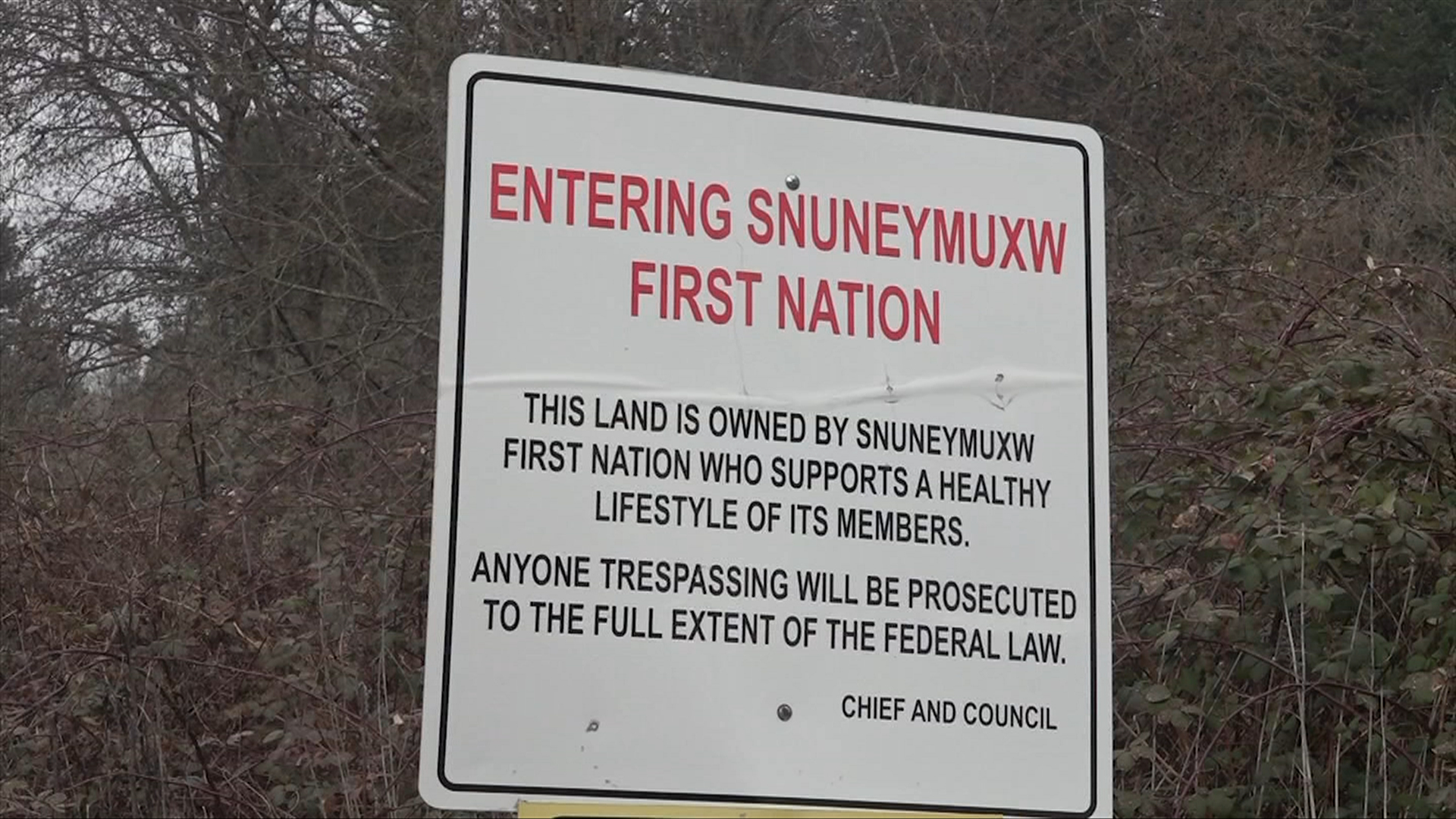
Nanaimo's Historic Move to Enfranchise Snuneymuxw Residents Marks a New Era
NANAIMO, BC – After decades of advocacy and operating within a unique political duality, the Snuneymuxw First Nation reserve is on the cusp of a transformative change: its residents will soon be eligible to vote in City of Nanaimo elections. This development, which has garnered support from both the First Nation and the municipal government, represents a significant stride in addressing historical inequities and fostering a more inclusive local democracy.
Key Takeaways:
-
Historic Enfranchisement: For the first time, Snuneymuxw First Nation reserve residents will gain the right to vote in Nanaimo civic elections, previously limited to school trustees and regional district representatives.
-
Decades of Advocacy: The change is the culmination of persistent efforts by leaders like former Chief Max Settler, who championed equal rights for First Nations communities.
-
Boundary Adjustment Mechanism: The proposed solution involves changing Nanaimo's city boundaries to include reserve residents for electoral purposes, requiring provincial support.
-
No Property Tax Burden: Snuneymuxw residents will not be required to pay Nanaimo property taxes to exercise their voting rights, highlighting a unique accommodation.
-
Increased Voter Base: The move is projected to add approximately 800 new voters to the 2026 civic election, expanding the city's democratic participation.
-
Reserve Status Unchanged: The initiative explicitly states it does not alter the federal jurisdiction or the status of the reserve lands.
A Long-Awaited Remedy for Political Exclusion
For 84-year-old former Snuneymuxw Chief Max Settler, the prospect of his community finally participating in city elections is a moment of profound vindication. "Finally, at last - that needs to be remedied, it should have been remedied a long time ago," Settler told CHEK News. His sentiment encapsulates the frustration of a community that, despite being physically intertwined with Nanaimo, has been largely excluded from its civic decision-making processes.
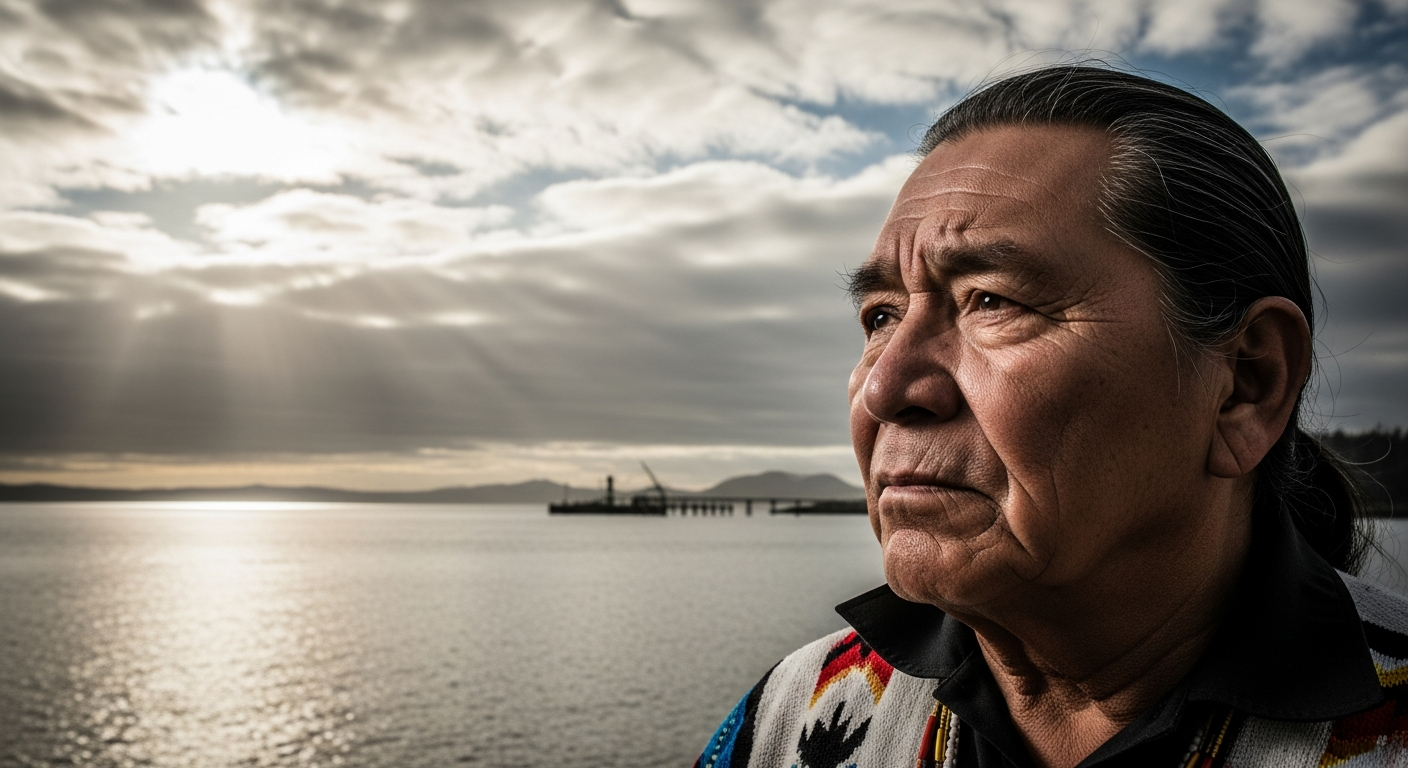
Historically, residents of the Snuneymuxw reserve, a substantial portion of which is encircled by Nanaimo, have only been permitted to cast ballots for school trustees and the Regional District of Nanaimo. The right to vote for city council – the body directly responsible for urban planning, services, and local governance impacting their daily lives – remained out of reach. This disparity, as Settler suggests, was not accidental: "Keep them out of the mainstream. That's intentional."
The Mechanics of Integration: A Boundary Change Proposal
The path to full enfranchisement hinges on a proposed change to Nanaimo's city boundaries. This administrative adjustment aims to encompass reserve residents within the municipal electoral framework, thereby granting them the same voting rights as other Nanaimo citizens. Crucially, this initiative requires the formal support of the province of British Columbia, signifying a multi-level governmental commitment to reconciliation and democratic inclusivity.
Nanaimo Mayor Leonard Krog articulated the city's stance on the matter, emphasizing the overdue nature of the correction. "It's a long ago wrong being righted. It's way past time," Krog stated. He further questioned the contemporary relevance of such exclusions, asking, "It's 2026, why would you not want your neighbours, Snuneymuxw who have been here since time immemorial to have the right to vote for the city council?"
One of the most notable aspects of this proposed change is the explicit provision that Snuneymuxw residents will not be subject to Nanaimo's property taxes in exchange for their voting rights. This unique accommodation reflects an understanding of the distinct legal and financial framework governing reserve lands under federal jurisdiction, ensuring that municipal enfranchisement does not inadvertently undermine the inherent status of First Nations territories. [FEATURED]
Mayor Krog further clarified the scope of the proposed amendment: "This does not change the status of the reserve lands or the federal jurisdiction, we can't do that, but under provincial law, any person over 18 should be able to vote in a municipal election." This distinction is vital, underscoring that the move is about extending provincial civic voting rights rather than altering the fundamental relationship between the First Nation and federal government concerning land status.
Impact and Future Outlook
The integration of Snuneymuxw residents into Nanaimo's electoral system is projected to introduce approximately 800 new voters, a significant expansion that could influence future civic elections. Beyond the numbers, the decision carries profound symbolic weight, signaling a tangible step towards reconciliation and a more equitable partnership between the city and its Indigenous neighbours.
The proposed boundary change is scheduled to be presented before Nanaimo city council on February 23. Its successful passage would set the stage for Snuneymuxw residents to cast their ballots in the next civic election in 2026, marking a historic moment for both the Snuneymuxw First Nation and the City of Nanaimo.