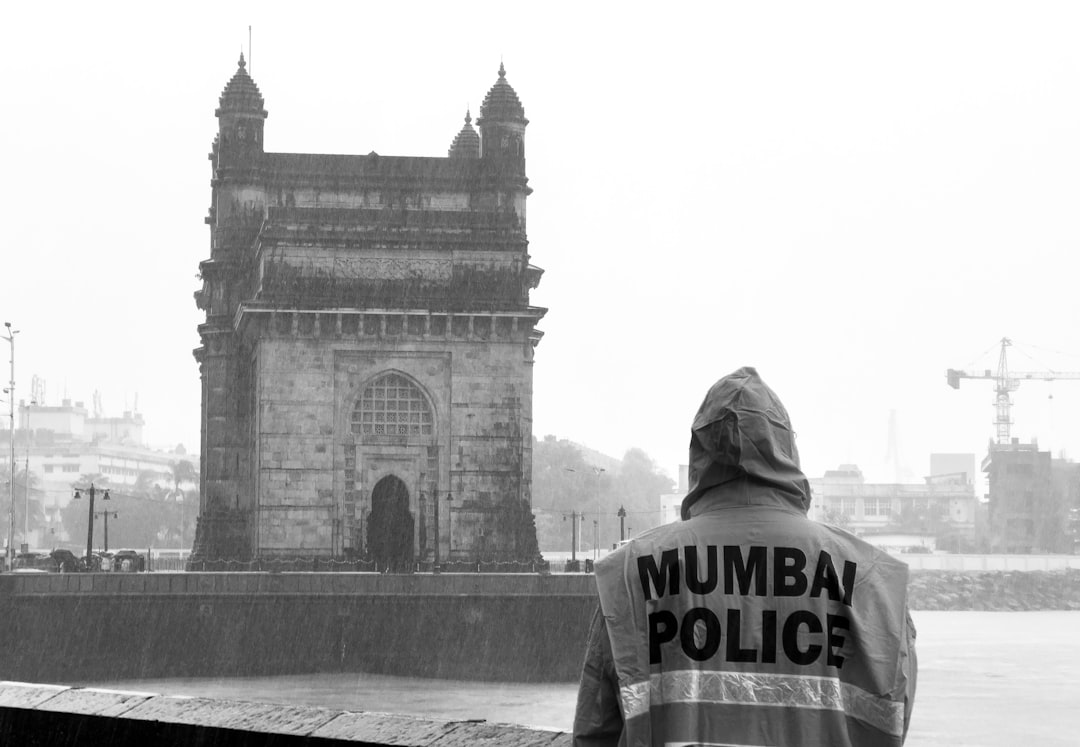
Key Takeaways
-
Unequivocal Assurance: Devendra Fadnavis explicitly guaranteed the complete safety of non-Marathi speaking residents in Mumbai.
-
Historical Context: The statement implicitly acknowledges past instances of regionalist politics and their impact on Mumbai's diverse populace.
-
Reinforcing Inclusivity: The declaration aims to strengthen Mumbai's image as a welcoming, multicultural, and economically inclusive hub.
-
Political Ramifications: Such assurances carry weight in state politics, potentially influencing voter sentiment and inter-community relations.
-
Economic Stability: Perceived safety and social harmony are crucial for maintaining investor confidence and the flow of talent into the city.
The Context of the Assurance
Mumbai, a city synonymous with ambition and opportunity, has historically been a magnet for individuals from across India, drawn by its economic dynamism. This influx has created a uniquely cosmopolitan demographic where numerous languages and cultures coexist. However, this diversity has also, at times, led to friction, particularly concerning linguistic identity and regional pride. Political movements advocating for the rights of 'Marathi manoos' (Marathi people) have occasionally resulted in heightened tensions for non-Marathi speakers.
It is against this complex backdrop that Deputy Chief Minister Devendra Fadnavis's statement — "Non-Marathi Speakers Are 100% Safe In Mumbai" — takes on amplified significance. Such a strong, declarative statement from a senior political figure suggests a deliberate attempt to quell any lingering apprehensions or to counter narratives that might suggest otherwise. The timing could be linked to upcoming elections, a response to specific local incidents, or a broader strategy to project an image of stability and inclusivity for the state capital. The '100%' qualifier is particularly potent, designed to leave no room for ambiguity and instil absolute confidence.
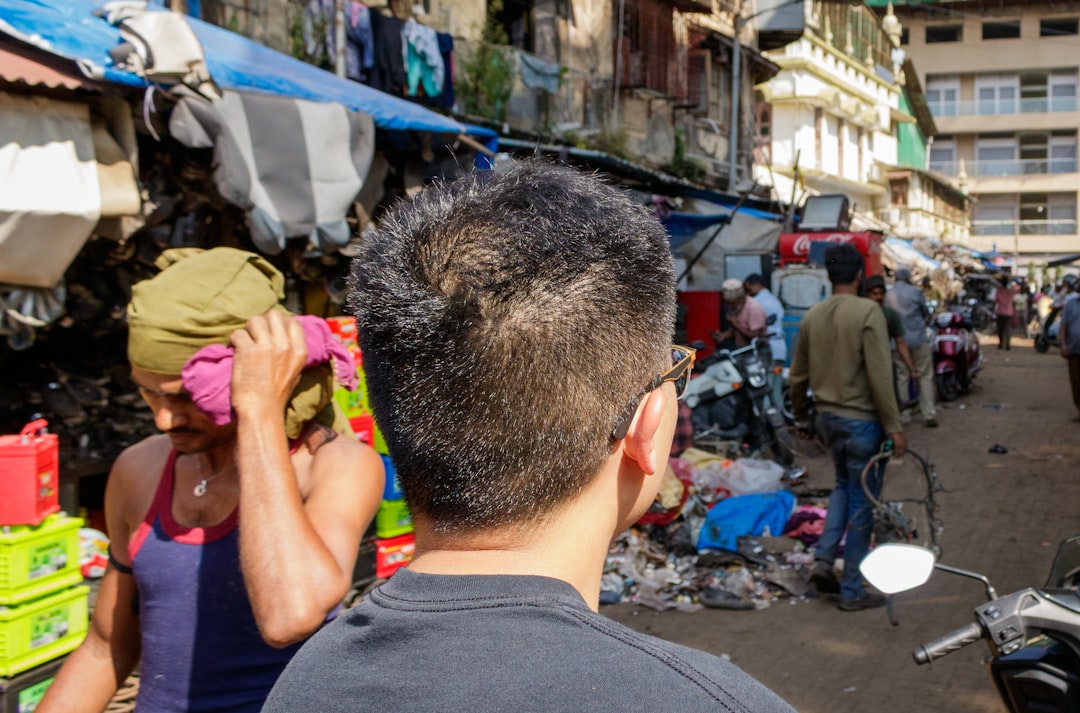
Mumbai's Linguistic Tapestry and Socio-Economic Fabric
Mumbai's identity is inextricably linked to its diverse linguistic communities. While Marathi is the official state language and the dominant tongue, communities speaking Gujarati, Hindi, Tamil, Telugu, Kannada, Malayalam, Bengali, and various other regional Indian languages have significantly contributed to the city's economic, cultural, and social landscape. These communities are integral to everything from the city's vast unorganized sector to its corporate boardrooms.
The perception of safety and belonging is paramount for these groups. Any apprehension about their security can have ripple effects, potentially discouraging migration, impacting business investments, and, at its worst, fostering social segregation. Fadnavis's statement, therefore, serves as a reaffirmation of the city's constitutional commitment to protect all its residents, irrespective of their linguistic background. It's a political signal that the state government actively champions an inclusive vision for Mumbai, recognizing that its strength lies in its diversity.
Political Undertones and Ramifications
Statements from high-ranking political leaders are rarely made in a vacuum. Fadnavis's assurance can be interpreted through several political lenses. Firstly, it could be a strategic move to reassure a significant voter base ahead of municipal or state elections. Non-Marathi speaking communities form a substantial demographic in Mumbai and their support is crucial for any political party.
Secondly, it might be an attempt to counterbalance or distance the ruling alliance from past or current regionalist rhetoric that could be perceived as exclusionary. By taking a firm stance on inclusivity, the government aims to project a moderate and unifying image. It also subtly challenges any groups that might seek to exploit linguistic differences for political gain, signaling a zero-tolerance policy for divisive tactics that threaten social harmony. The statement can also be seen as an appeal to national and international investors, reinforcing Mumbai's reputation as a stable and secure financial hub.
Public Sentiment
Reactions to Fadnavis's statement have been varied, reflecting the diverse opinions within Mumbai's population.
-
"It's a welcome reassurance, especially for those of us who have moved here for work. Knowing that the government stands for our safety gives peace of mind." - Suresh Kumar, a software professional from Bengaluru.
-
"While the statement is positive, the fact that such an assurance is even needed speaks volumes. Mumbai should inherently be safe for everyone without a politician having to declare it." - Priya Desai, a local business owner.
-
"This is important for the city's image. Mumbai thrives on its ability to attract talent from everywhere. Such statements reinforce that welcoming spirit." - Rajeshwari Iyer, an academic.
-
"We Marathi speakers also want a safe and prosperous Mumbai. If this statement helps bring everyone together, then it's a good step." - Anil Kadam, a retired government employee.
The sentiment largely suggests that while the statement is broadly appreciated for its intent, some question its necessity, implying that an inclusive environment should be an inherent given in a city like Mumbai, rather than a point requiring explicit political affirmation.
Conclusion
Devendra Fadnavis's declaration that non-Marathi speakers are "100% safe in Mumbai" is a significant political utterance that resonates deeply within the city's diverse social fabric. It is a calculated move to affirm Mumbai's cosmopolitan character, assuage potential anxieties, and project an image of stable governance. While its immediate impact might be felt in political circles and among specific communities, its long-term success will be measured by the sustained efforts to foster an environment where every resident, regardless of linguistic background, genuinely feels secure and an integral part of India's vibrant financial capital. The challenge for the administration now lies in translating this strong political statement into tangible policy and continued social harmony.