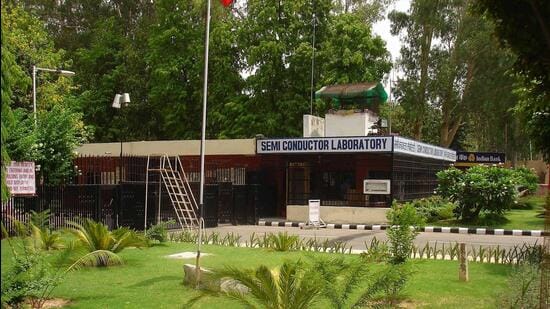
Key Takeaways:
-
Significant Investment: SCL Mohali receives ₹900 crore for FY 2026-27, part of a broader ₹4,500 crore modernization roadmap.
-
Strategic Transformation: The upgrade aims to convert SCL from a legacy unit into a future-ready semiconductor hub for advanced chip development and manufacturing.
-
Indigenous Tape-Out: A crucial component is the establishment of a domestic tape-out facility, enabling Indian entities to prototype chips locally, reducing foreign reliance and turnaround times.
-
National Imperative: This initiative is central to India's semiconductor mission, aiming to reduce import dependence and integrate deeper into the global electronics value chain, critical for sectors like telecom, automotive, and defence.
-
Expansion Needs: The Centre is actively seeking an additional 25 acres of land from the Punjab government to support rapid infrastructure and capacity enhancement.
India's Semiconductor Ambition: More Than Just a Boost
The global race for semiconductor dominance is intensifying, with nations worldwide recognizing chips as the new oil – indispensable for economic growth, technological advancement, and national security. India, a late but ambitious entrant, is making deliberate strides to carve out its niche. The ₹900-crore allocation for Mohali's Semiconductor Laboratory (SCL) in the Union Budget is more than just a headline figure; it represents a tangible commitment towards a long-term vision.
This immediate financial boost is part of a larger ₹4,500-crore modernisation roadmap for SCL, an autonomous body under the Ministry of Electronics and Information Technology (MeitY). SCL holds a unique position as India's only integrated device manufacturing facility, currently producing specialized components like Application-Specific Integrated Circuits (ASICs), opto-electronic devices, and Micro-Electro-Mechanical Systems (MEMS) for strategic, high-technology applications. The question that Rusty Tablet seeks to answer is not just 'what' is being funded, but 'why' now, and what are the true implications for India's technological sovereignty.
From Legacy to Cutting-Edge: The SCL Transformation
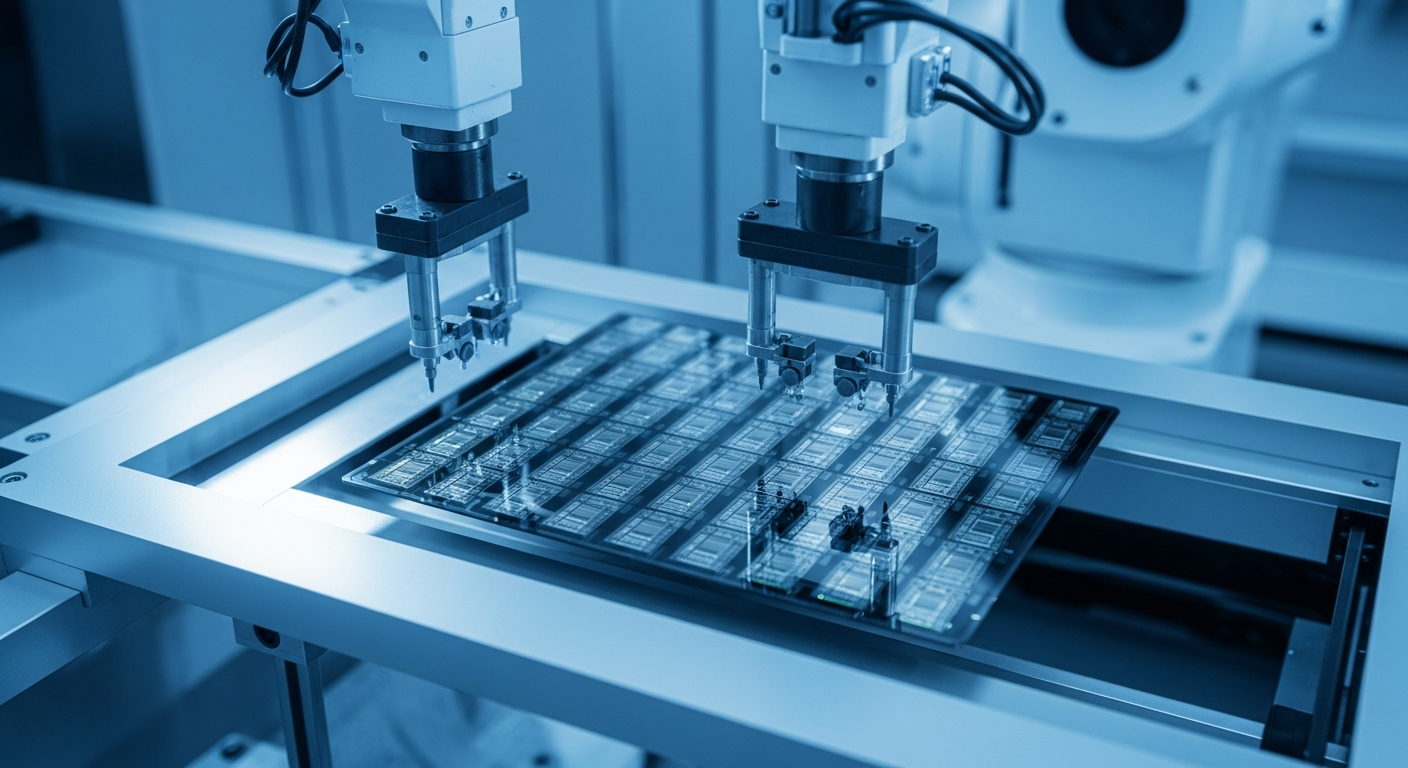
The proposed upgrade for SCL is comprehensive. Located strategically in Phase-8 of Mohali's Industrial Area, the facility's transformation aims to elevate it from its legacy status to a robust, future-ready semiconductor hub. This means an overhaul of its existing infrastructure, the introduction of modern fabrication technologies, and a significant expansion of its production capacity. The goal is clear: to meet the rising demand for advanced chip development, prototyping, and manufacturing within the country.
One of the most critical aspects of this revamp is the establishment of an indigenous tape-out facility. For the uninitiated, tape-out is the final stage of chip manufacturing, where the validated design is converted into a physical prototype ready for fabrication. Currently, Indian startups, academic institutions, and R&D centres often rely on overseas fabrication plants for this crucial step. An indigenous facility will dramatically cut turnaround times, reduce dependency on foreign entities, and foster a more dynamic, self-reliant ecosystem for chip design and development in India. This move could unleash a wave of innovation, allowing homegrown talent to rapidly iterate and bring their designs to fruition without global logistical hurdles.
Beyond Mohali: The National Imperative
The SCL initiative is not an isolated project; it's a vital cog in the Centre's broader India Semiconductor Mission. This mission, with its significant financial outlay, is fundamentally about reducing India's crippling dependence on imported chips. The strategic imperative is multi-faceted: bolstering domestic manufacturing capabilities creates a reliable supply base for critical sectors such as telecommunications, automotive electronics, defence systems, and space technologies. It is an acknowledgment that in a world increasingly reliant on digital infrastructure, control over the semiconductor value chain translates directly into economic power and strategic autonomy.
Policymakers envision a scenario where India isn't just a consumer but a significant producer, integrating deeper into the global electronics value chain. This vision aligns perfectly with the 'Make in India' and 'Atmanirbhar Bharat' campaigns, aiming to foster an ecosystem where design, fabrication, and assembly all thrive domestically. The SCL upgrade serves as a foundational step, building the sophisticated infrastructure necessary to support this national ambition.
The Road Ahead: Challenges and Opportunities
While the financial allocation and strategic intent are commendable, the path to semiconductor self-reliance is fraught with challenges. The industry is notoriously capital-intensive, technologically complex, and requires a highly specialized talent pool. Global giants dominate the landscape, with decades of experience and massive R&D budgets.
The Centre's request for an additional 25 acres of land from the Punjab government highlights an immediate hurdle. Officials have rightly stated that early allotment is crucial for accelerating infrastructure development and capacity enhancement. Delays here could impact the entire timeline and the efficacy of the investment. Beyond land, securing the right technology transfer, attracting and retaining world-class talent, and navigating fierce global competition will be ongoing battles. The ₹4,500-crore roadmap, while substantial for an upgrade, still pales in comparison to the multi-billion-dollar investments by global players in new mega-fabs. This raises the question: is India aiming for specialized niche production or a broader, more competitive manufacturing presence?
Public Sentiment
Across industry forums and social media, the sentiment is largely one of cautious optimism. "This is a game-changer for Indian tech, provided execution is flawless," commented a Bengaluru-based startup founder on LinkedIn. A veteran academic from IIT Delhi added, "Finally, a concrete investment in indigenous fabrication. The tape-out facility is particularly exciting for our researchers." However, some voices urged prudence: "Money is good, but the real challenge is sustained policy support, attracting global partnerships, and creating a robust talent pipeline. We've seen grand plans before; the devil is in the details." The underlying consensus remains clear: India's chip dream is finally taking concrete shape, but the journey has only just begun.
Conclusion
The ₹900-crore boost to Mohali's SCL is a pivotal moment in India's quest for semiconductor independence. It symbolizes a strategic pivot, recognizing that without control over foundational technologies, true sovereignty remains elusive. The transformation of SCL into a modern chip hub, complete with an indigenous tape-out facility, promises to democratize access to advanced manufacturing for Indian innovators. However, this is not a finish line but a critical milestone in a marathon. The success of this ambitious project will depend on efficient execution, continuous investment, fostering a thriving talent ecosystem, and unwavering political will to navigate the complex geopolitical and technological currents of the 21st century. If executed effectively, Mohali could indeed become the crucible where India's semiconductor future is forged, reducing its reliance and propelling it onto the global tech stage.