Key Takeaways
-
Unwavering Friendship: The lifelong bond between Adam Soucy and Lee Card proved instrumental in Soucy receiving a critical liver transplant, showcasing the profound impact of personal relationships on health outcomes.
-
Complex Medical Journey: Soucy's diagnosis with a rare liver cancer necessitated a rigorous and lengthy medical process, from initial treatments to placement on a national transplant list.
-
The Altruism of Living Donation: Card's decision to become a living donor bypassed the lengthy national waitlist, highlighting the efficiency and life-saving potential of directed donations.
-
Meticulous Preparation: The 15-month testing period for Card as a donor underscores the rigorous medical scrutiny and safety protocols involved in living organ transplantation, ensuring optimal outcomes for both donor and recipient.
-
Call to Action: The successful transplant emphasizes the critical and ongoing need for public awareness and participation in organ donation initiatives, reinforcing the message of organizations like organdonor.gov.
Main Analysis
The Unbreakable Bond: A Friendship Forged in Manchester
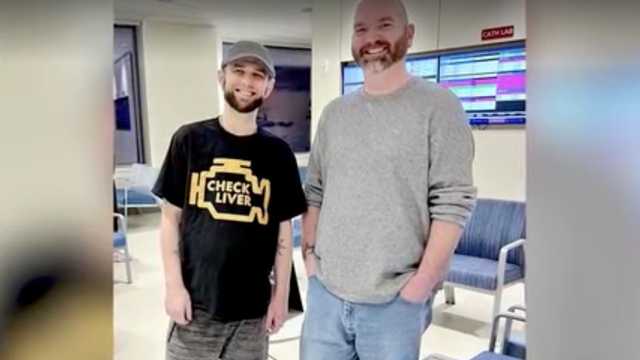
Adam Soucy and Lee Card's relationship is a testament to the enduring power of childhood friendship. Growing up in Manchester, their shared experiences, from exhilarating bike rides to daring jumps off decks, forged a bond that would, decades later, prove to be life-saving. This deep-rooted connection became the bedrock upon which a remarkable medical journey would unfold, illustrating how personal history can profoundly influence an individual's path through health adversity. Their story serves as a poignant reminder that human support networks are not merely emotional comforts but can become literal lifelines in times of crisis. The narrative is a compelling demonstration of loyalty and camaraderie, elements often overlooked in the clinical discussion of medical treatments but undeniably central to patient morale and outcome.
A Battle Against Time: Navigating a Rare Diagnosis
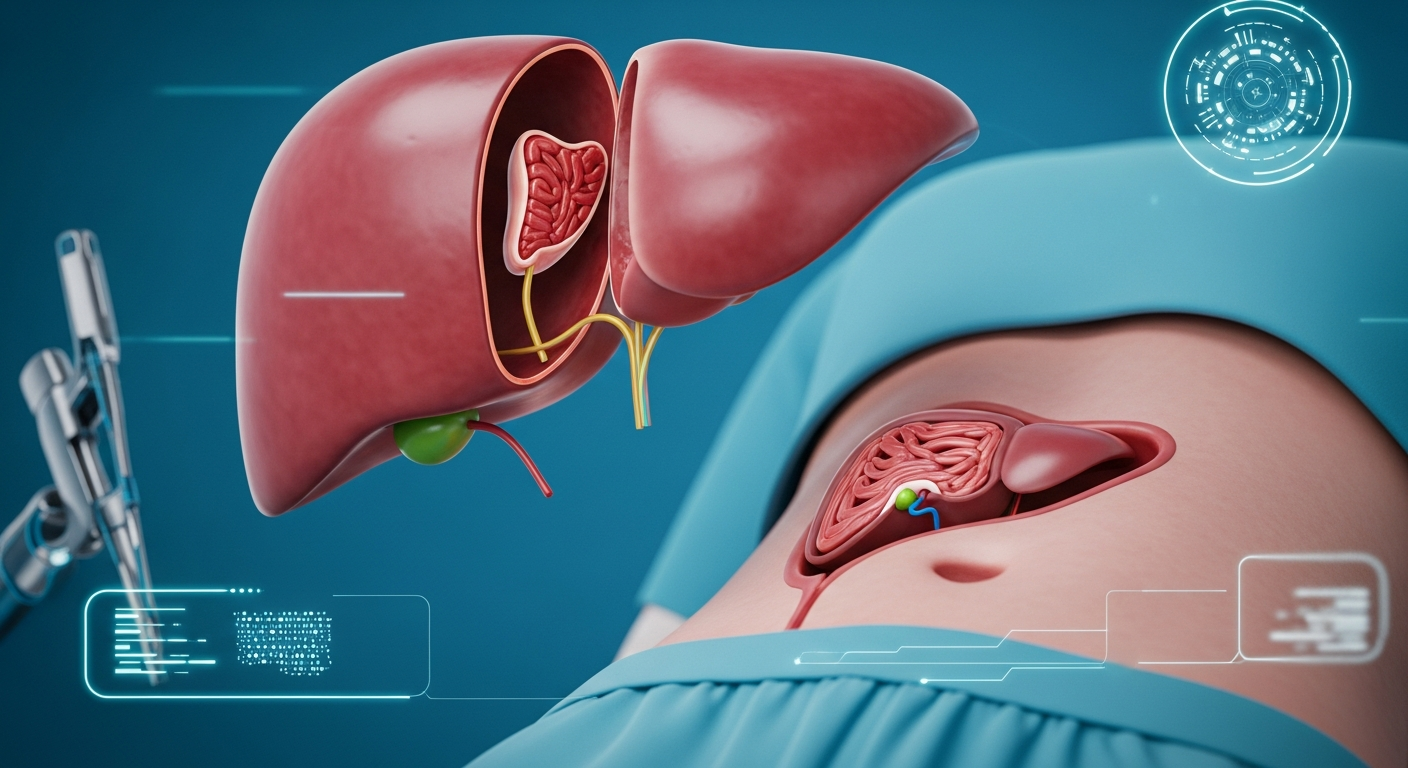
Soucy's health trajectory took an unforeseen and severe turn following a series of alarming symptoms. At 40, recently married in August 2024, he received a devastating diagnosis: a rare form of liver cancer. This revelation initiated a frantic race against time and disease progression. Initial medical interventions, including the application of stents, proved insufficient, leading his medical team to the critical decision of placing him on the national donor database. This juncture marked a significant shift in his care, moving from localized treatments to the complex, systemic challenge of securing a compatible organ. The experience highlights the immediate and often bewildering impact of rare diseases on individuals and their families, forcing them into a labyrinth of medical options and uncertainties.
The Living Gift: Lee Card's Unprecedented Selflessness
It was during this period of uncertainty that Lee Card emerged as a beacon of hope. Upon learning of Soucy's predicament, Card proactively inquired about the possibility of becoming a living donor. This inquiry dramatically altered Soucy's prospects, bypassing the often-arduous and lengthy wait on the national database. The medical team's response—"Oh my goodness, this is so much easier. We have a living donor who could possibly be a match"—underscored the immediate and profound advantage a living donor presents. The path from initial inquiry to transplant, however, was far from instantaneous. A meticulous 15-month period of comprehensive testing for both friends ensued, a testament to the rigorous medical protocols designed to ensure the safety and compatibility for both donor and recipient. This protracted evaluation culminated in the successful transplant on January 20, marking a triumph of medical science intertwined with unparalleled human generosity.
Medical Innovation and Societal Impact: Beyond the Operating Room
The success of Soucy and Card's transplant is not merely an isolated anecdote; it is a powerful affirmation of advancements in living donor transplantation and the critical infrastructure of national organ donor databases. Living donation, particularly of organs like the liver, represents a sophisticated frontier in medical science, offering a viable solution for patients facing terminal conditions where deceased donor organs are scarce. The intricate surgical procedures, coupled with advanced post-operative care, allowed both friends to be discharged from the hospital on January 29, demonstrating rapid recovery potential. This case amplifies the call for greater public engagement with organ donation, reminding individuals of the collective responsibility to contribute to a system that provides second chances at life. Resources like organdonor.gov serve as vital conduits for information and action, bridging the gap between medical need and public willingness to help.
Public Sentiment
Across digital platforms and community forums, the story of Adam Soucy and Lee Card has resonated deeply, inspiring an outpouring of supportive sentiment. Many have expressed awe at the profound selflessness demonstrated by Card, frequently citing the narrative as a powerful example of true friendship and human compassion. The extensive medical journey and the 15-month testing period have also sparked conversations about the complexities and rigorous demands of living organ donation, leading to increased appreciation for both donors and medical professionals. Comment sections are rife with messages of hope and gratitude, with some individuals expressing renewed interest in learning about organ donation, signaling a positive shift in public awareness and a recognition of the collective impact individual actions can have on saving lives. The prevalent sentiment is one of profound admiration for the human spirit and the marvels of modern medicine.
Conclusion
The journey of Adam Soucy and Lee Card is a compelling testament to the resilience of the human spirit, the marvels of modern medical science, and the enduring power of friendship. Their story, culminating in a successful living liver transplant, stands as a beacon of hope, reminding us that even in the face of daunting health challenges, profound acts of kindness and scientific innovation can forge paths to recovery. As we reflect on this remarkable achievement, the critical need for continued support for organ donation programs becomes ever clearer, inviting us all to consider how we might contribute to such life-affirming outcomes.