Key Takeaways:
-
The integrated circuit exemplifies an unprecedented level of global manufacturing and economic interdependence.
-
Its production involves a multi-billion-dollar ecosystem spanning continents, from raw material extraction to design, fabrication, and final assembly.
-
The "invisible hand" of free markets coordinates a vast array of specialized companies, technologies, and labor.
-
Geopolitical stability and international cooperation are critical for maintaining the fragile balance of the semiconductor supply chain.
-
The ubiquitous nature of ICs means their availability directly impacts global innovation, economic growth, and national security.
From Graphite to Silicon: An Evolution of Complexity
Leonard E. Read's "I, Pencil" posited that no single individual possesses the knowledge or resources to create a pencil from scratch. The cedar wood, graphite, rubber, lacquer, and metal ferrule each represent countless individual efforts, all coordinated spontaneously by market mechanisms. This essay was a powerful testament to the efficiency and distributed intelligence of free-market economies. Fast forward to the 21st century, and the humble pencil's intricate lineage pales in comparison to the integrated circuit. Where a pencil represents dozens of interconnected steps, a modern microchip is the culmination of millions of precisely orchestrated operations, involving thousands of specialized materials, machines, and minds across the globe. It is the definitive artifact of modern economic miracle, a testament to what humanity can achieve through collaboration, competition, and relentless innovation.
The Global Tapestry of the Integrated Circuit
The journey of an integrated circuit begins not with a single tree or a lead mine, but with ultrapure silicon extracted from sand, often processed in distant locales. This silicon then travels to specialized facilities that grow massive ingots, slice them into thin wafers, and polish them to near-atomic perfection.

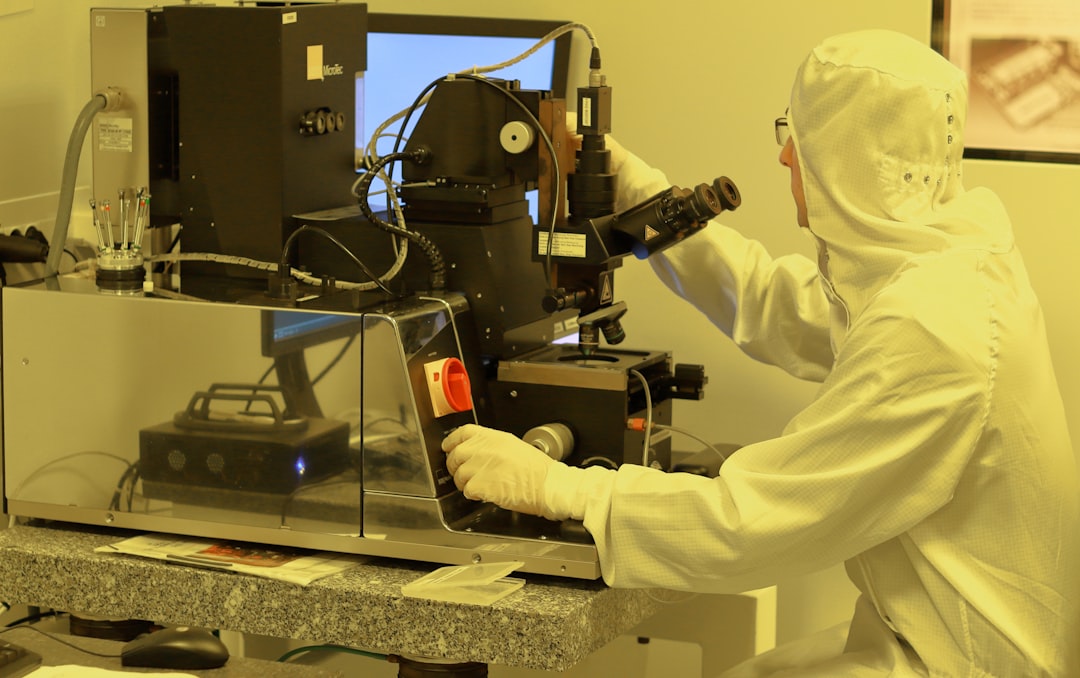
These wafers become the canvas for an unbelievably complex artistic and engineering endeavor. Chip design houses, often based in the United States or Europe, spend years conceptualizing the microscopic architectures. Fabrication plants, or foundries—predominantly concentrated in Taiwan and South Korea—then employ photolithography, etching, and deposition techniques to build billions of transistors onto each wafer, layer by atomic layer, requiring equipment from countries like the Netherlands and Japan, and exotic chemicals from across the world. After fabrication, the wafers are sent for assembly, packaging, and testing, often in Southeast Asia, before being distributed globally to original equipment manufacturers. This transnational odyssey underscores a global division of labor so precise and interdependent that a disruption at any single point can ripple across entire industries and economies.
Economic Interdependencies and Strategic Vulnerabilities
The semiconductor industry is characterized by extraordinary capital intensity and extreme specialization. Building and maintaining a leading-edge foundry can cost tens of billions of dollars, and the intellectual property involved is fiercely guarded. This concentration of expertise and manufacturing capability—especially in advanced nodes—creates a delicate global balance. The recent COVID-19 pandemic and subsequent supply chain disruptions starkly illuminated this fragility, leading to widespread chip shortages that crippled industries from automotive to consumer electronics. Furthermore, the strategic importance of semiconductors has placed them at the heart of geopolitical competition, with nations recognizing that control over chip design and manufacturing translates directly into economic power and national security.
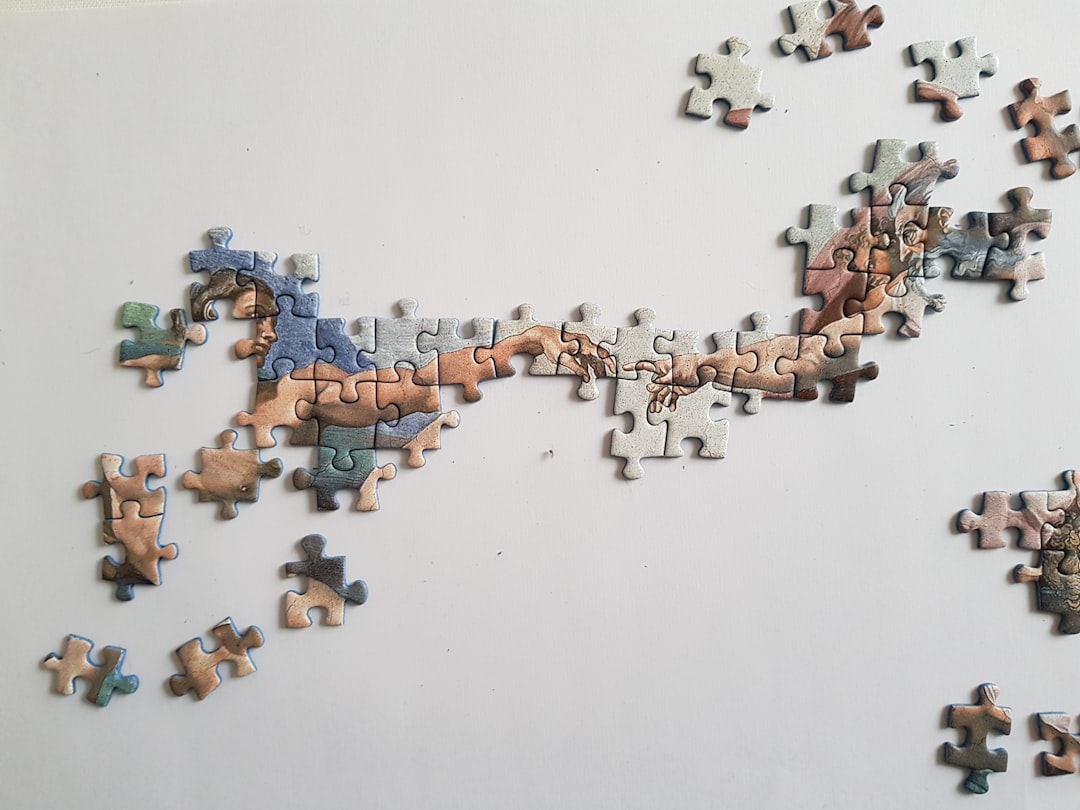
Maintaining open trade routes, fostering international research collaboration, and diversifying manufacturing capabilities are no longer just economic aspirations, but geopolitical imperatives.
Innovation's Relentless March and Ubiquitous Impact
The "I, Integrated Circuit" narrative is also one of ceaseless innovation. Moore's Law, though debated in its precise form, continues to drive engineers to pack more transistors onto smaller chips, enhancing performance while reducing power consumption. This relentless march of progress is fueled by intense competition among chipmakers and designers, but also by deep-seated collaboration in research and development across universities, private companies, and national initiatives. The result is a ubiquitous presence: integrated circuits power everything from the smartphone in your pocket and the car you drive, to life-saving medical devices, sophisticated AI systems, and the vast infrastructure of the internet. They are the invisible engines of the modern world, silently enabling unparalleled connectivity, efficiency, and progress.
Public Sentiment
"It's mind-boggling to think about everything that goes into making just one tiny chip," commented one tech enthusiast online. "We take these devices for granted, but the sheer global effort is incredible." Another user noted, "When the car companies couldn't get chips, it really hit home how much we rely on these things. It's not just phones; it's our entire economy." A business analyst added, "The vulnerability of the supply chain is a huge concern. Diversification and strategic investment in domestic chip production isn't just a political talking point anymore; it's a necessity for economic resilience."
Conclusion
Just as "I, Pencil" demystified the intricate market forces behind a simple writing tool, "I, Integrated Circuit" serves as a profound modern parable. It reveals a global economic ecosystem of unimaginable scale, precision, and interdependence, orchestrated by millions of individual choices and countless specialized components. The integrated circuit is more than just a piece of silicon; it is a global symphony of human ingenuity and cooperation, yet one whose harmonious future depends on vigilant attention to its vulnerabilities, fostering collaboration, and navigating complex geopolitical realities. Its story is the story of the modern world itself – a narrative of interconnectedness, innovation, and enduring challenge.