
Key Takeaways
-
Challenging the 'Always-On' Myth: DTN is designed for environments where continuous, low-latency connectivity is impossible, unlike the traditional internet.
-
Resilience for Extreme Conditions: It’s crucial for disaster recovery, connecting remote areas, and even interplanetary communication.
-
India's Unique Advantage: Given its diverse geography and strategic ambitions (rural connectivity, disaster management, space program), India stands to gain immensely from DTN adoption.
-
A Mindset Shift is Required: Moving beyond instant gratification towards 'store-and-forward' thinking is vital for next-generation network design.
Beyond the Broadband Bubble: The Illusion of Instantaneity
We live in an era where 'lag' is considered an anomaly, a momentary inconvenience. Our entire digital infrastructure, from streaming services to financial transactions, is built upon the premise that a network packet either arrives swiftly or is lost forever. This design, while efficient for stable, high-bandwidth connections, becomes a critical vulnerability in less-than-ideal scenarios. Think of the devastation following a natural disaster, where communication infrastructure is annihilated, or the struggle to bring internet to a remote village nestled deep in the Himalayas.
Here, the internet's insistence on immediate, end-to-end paths breaks down. That's where Delay-Tolerant Networking (DTN) steps in, not as a replacement for the internet, but as a critical extension. DTN embraces the reality of intermittent connectivity, long delays, and frequent disconnections. It operates on a 'store-and-forward' principle: data is stored at intermediate nodes and forwarded opportunistically when a connection becomes available. It's a postal service for the digital age, prioritising delivery over instantaneous transmission. This fundamental shift in philosophy is precisely what India needs to build truly resilient and inclusive digital infrastructure.
Where DTN Shines Brightest for India
India's unique confluence of geographical challenges, developmental goals, and scientific ambitions positions it as a prime candidate for leading DTN innovation and deployment.
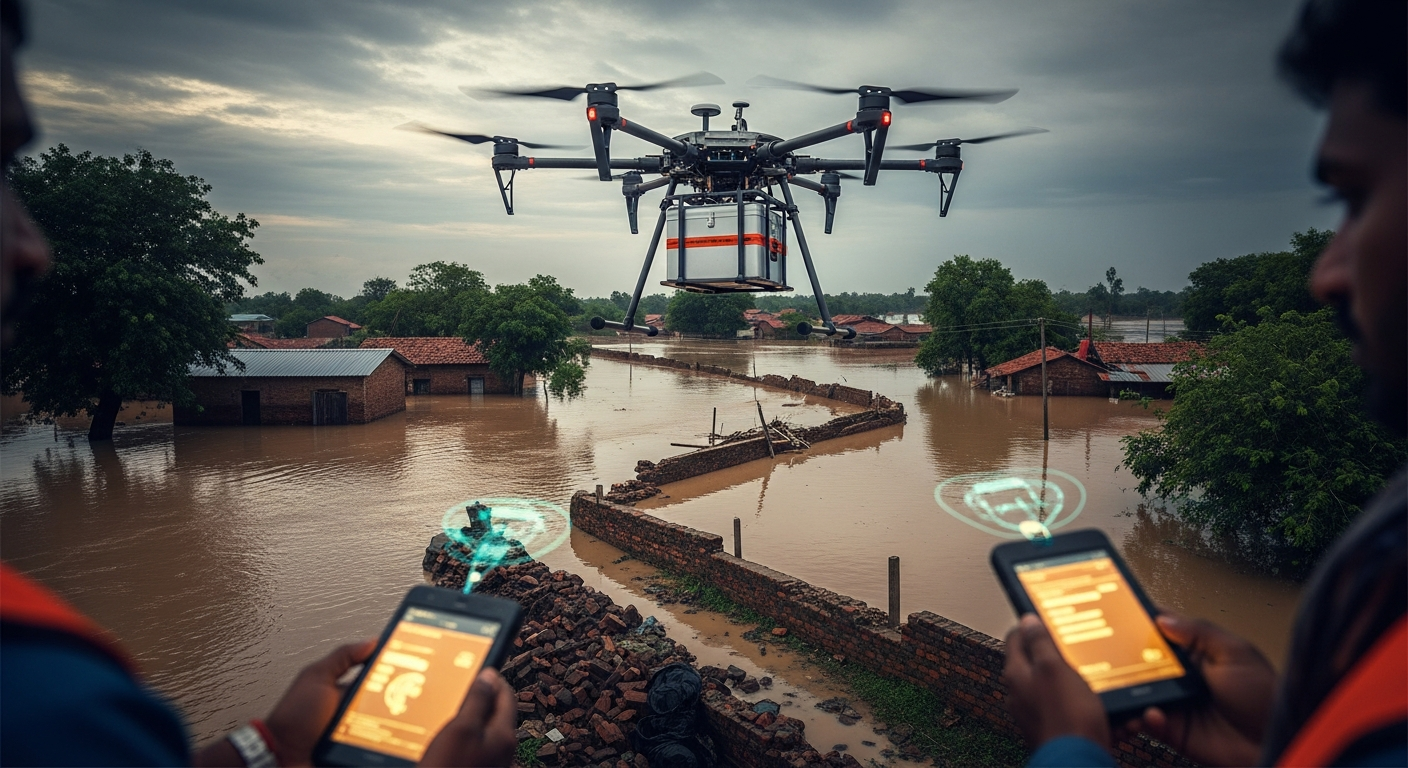
1. Disaster Management and Emergency Response: Our subcontinent is no stranger to natural calamities – floods, cyclones, earthquakes, and landslides regularly disrupt conventional communication channels, isolating communities and hindering relief efforts. DTN offers a lifeline. By enabling relief workers to transfer critical data – survivor manifests, medical supply requests, situational awareness updates – even when cell towers are down or fibre optic cables are severed, DTN can dramatically improve response times and save lives. Imagine drones or ad-hoc mobile networks acting as 'data mules,' collecting information in affected areas and forwarding it whenever a connection, however fleeting, becomes available.
2. Bridging the Rural Digital Divide: While urban India boasts impressive connectivity, vast swathes of rural India remain underserved. Laying fibre to every last hamlet is a monumental, often uneconomical task. DTN, combined with existing infrastructure or low-cost wireless solutions, can provide a more practical path to digital inclusion. Opportunistic networks, utilising local vehicles, buses, or even human carriers equipped with data storage devices, could transport aggregated information to central hubs, bringing essential services, educational content, and market information to remote populations.
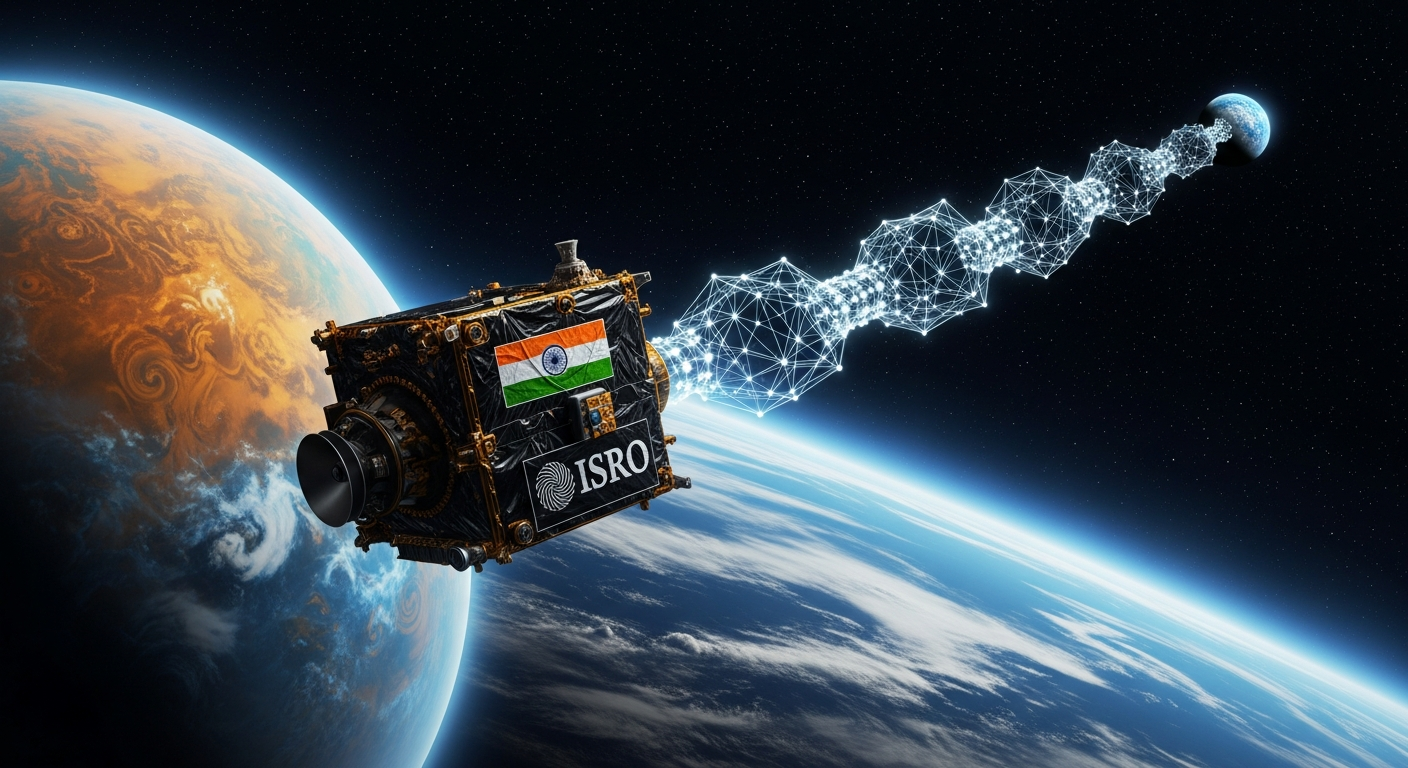
3. Space Exploration and Interplanetary Communication: ISRO's ambitious plans, from lunar missions to potential crewed flights, demand communication systems that can handle colossal distances, light-speed delays, and unpredictable link disruptions. DTN is the de facto standard for deep-space communication. Its ability to manage long round-trip times and ensure data integrity across vast celestial distances is indispensable for the success of our extraterrestrial ventures. As India ventures further into the cosmos, mastering DTN becomes a strategic advantage.
The Path Forward: Embracing a Resilient Future
The adoption of DTN in India requires more than just technological implementation; it necessitates a cultural and policy shift. We must move beyond the narrow definition of 'connectivity' as solely high-speed, always-on internet. Policy frameworks need to be developed to incentivise DTN research, pilot projects, and integration into existing national infrastructure plans.
Our vibrant tech ecosystem, with its deep pool of engineering talent and a demonstrated capacity for 'jugaad' (innovative improvisation), is uniquely positioned to develop bespoke DTN solutions tailored to India's diverse needs. From developing rugged hardware for data mules to crafting intelligent routing algorithms optimised for varied Indian terrains, the opportunities for innovation are immense. Investing in DTN is not merely about patching network gaps; it’s about strategically building a more robust, equitable, and future-proof digital backbone for a billion-plus people.
Public Sentiment
-
Priya, Rural Entrepreneur (Uttarakhand): "Fast internet is a dream, but any internet is a blessing. If DTN means I can send my product orders and receive market prices, even if it takes a few hours, that's a game-changer for my village."
-
Dr. Suresh Kumar, Disaster Relief Coordinator (Odisha): "After a cyclone, communication is the first casualty. If we could rely on a network that works without towers, collecting data from ground zero and coordinating aid would be infinitely faster and more efficient."
-
Meena Singh, ISRO Systems Engineer: "For our deep space missions, DTN isn't an option; it's fundamental. It ensures that precious scientific data collected billions of kilometres away eventually makes its way home, regardless of intermittent links or immense delays."
-
Rajesh Gupta, Tech Policy Analyst: "India's unique challenges demand unique solutions. Relying solely on the 'first-world' internet model limits our potential. Embracing DTN strategically can turn our infrastructure hurdles into a competitive edge in resilient networking."
Conclusion
The era of passively accepting the internet's 'spoiled' assumptions must end. For India, a nation striving for inclusive growth, technological leadership, and strategic autonomy, Delay-Tolerant Networking is not merely a niche technology; it is a foundational pillar for future resilience. It is an opportunity to design networks that serve our reality, not just the idealized one. By actively investing in, developing, and deploying DTN, India can demonstrate how to truly connect the unconnected, secure communication in times of crisis, and extend its digital reach to the very edges of the cosmos. The time to tolerate delay for ultimate reliability is now.