
The digital landscape is rapidly evolving, with artificial intelligence (AI) at its forefront. A recent revelation from OpenAI CEO Sam Altman indicates a significant shift in the global AI adoption curve: India now boasts an astonishing 100 million weekly active ChatGPT users, distinguishing itself with the largest student user base worldwide. This remarkable figure is not merely a statistic; it reflects a profound integration of advanced AI tools into the daily lives, educational pursuits, and professional aspirations of a major global economy.
Key Takeaways
-
Massive Adoption: India records 100 million weekly active ChatGPT users, demonstrating unparalleled enthusiasm for generative AI.
-
Student-Led Growth: The nation accounts for the highest number of student users globally, signaling AI's deep penetration into educational systems.
-
Strategic Market: India's large, digitally native youth population makes it a critical market for AI development and deployment.
-
Profound Implications: This rapid adoption reshapes educational methodologies, influences workforce development, and highlights unique challenges and opportunities for AI governance and ethical use.
-
Global Precedent: India's trajectory serves as a blueprint for other emerging economies regarding mass AI integration and its societal impact.
The Scale of Adoption in India

Altman's statement underscores India's unique position in the global AI ecosystem. The figure of 100 million weekly users is substantial by any measure, especially for a technology that has only been publicly accessible for a relatively short period. What makes this even more compelling is the demographic breakdown: a disproportionate number of these users are students. This phenomenon can be attributed to several factors:
-
Demographic Dividend: India possesses one of the world's largest youth populations, inherently more inclined to adopt new technologies.
-
Digital Infrastructure: Significant investments in digital infrastructure, including widespread smartphone penetration and affordable data, have democratized access to online tools.
-
Educational Aspirations: The competitive educational environment in India drives students to seek every advantage, and AI tools like ChatGPT offer unprecedented access to information, study aids, and personalized learning support.
-
Language Agnosticism: ChatGPT's multilingual capabilities cater to India's diverse linguistic landscape, making it accessible to a broader user base beyond English speakers.
The rapid uptake suggests a national inclination towards embracing cutting-edge digital solutions, often leapfrogging traditional technological adoption cycles seen in more developed economies.
Implications for Education and Workforce Development
The widespread use of ChatGPT among Indian students carries profound implications for the future of education and the national workforce. On one hand, it represents an unparalleled opportunity:
-
Personalized Learning: AI can adapt to individual learning paces and styles, offering customized explanations and tutoring.
-
Enhanced Research Capabilities: Students can quickly access and synthesize vast amounts of information, improving the quality and efficiency of their research.
-
Skill Development: Exposure to AI tools at an early stage prepares students for an AI-driven economy, fostering digital literacy and problem-solving skills essential for future careers.
However, this paradigm shift also presents challenges:
-
Academic Integrity: Concerns about plagiarism and over-reliance on AI for assignments necessitate a re-evaluation of assessment methods and educational policies.
-
Critical Thinking: The risk of AI dependence potentially diminishing critical thinking and analytical skills is a significant pedagogical debate.
-
Equitable Access: While digital penetration is high, ensuring equitable access and training for all students, particularly in rural or underprivileged areas, remains crucial to prevent a new form of digital divide.
For the workforce, India's large pool of AI-literate graduates could provide a significant competitive advantage in the global technology landscape, driving innovation and attracting foreign investment.
OpenAI's Strategic Perspective and Global AI Trends
India's robust adoption provides OpenAI with invaluable data and a massive user base for refining its models. It serves as a vital proving ground for AI's capabilities and challenges in a diverse and rapidly developing market. This strategic importance goes beyond mere user numbers; it offers insights into cultural nuances, ethical considerations, and real-world applications that can inform the global development and deployment of AI.
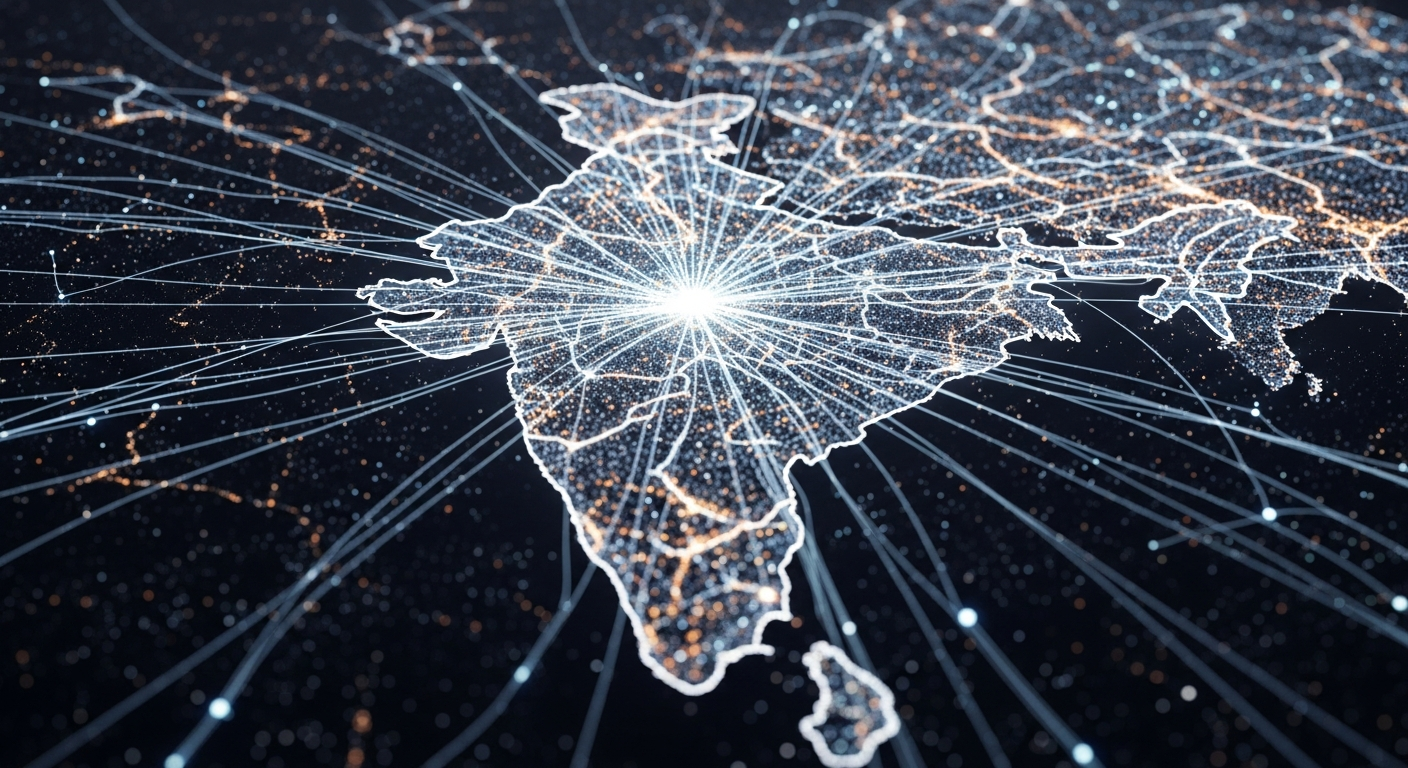
Globally, India's trajectory signals a broader trend where emerging economies are not just consumers but active participants and leaders in the AI revolution. The adoption rates in countries like India challenge the perception that AI innovation and consumption are exclusive to a few developed nations. This democratization of AI access has the potential to address various societal challenges, from healthcare to agriculture, by providing tools that can augment human capabilities and drive economic growth.
Public Sentiment
Public sentiment surrounding AI in India, as synthesized from various reports and online discussions, reflects a spectrum of hope and apprehension. Many see AI as a powerful equalizer, capable of bridging educational gaps and enhancing productivity. Educators and tech enthusiasts often express optimism regarding its potential to revolutionize learning and foster a highly skilled workforce ready for the future economy. They envision a future where AI tools empower individuals to achieve more, fostering innovation and creating new opportunities previously unattainable.
Conversely, concerns are palpable, particularly regarding ethical implications, data privacy, and the potential for job displacement. Some worry about the over-reliance on AI potentially stifling human creativity and critical thinking. The need for robust regulatory frameworks, transparent AI development, and comprehensive digital literacy programs is frequently emphasized to navigate these challenges responsibly and ensure that the benefits of AI are distributed equitably across society.
Conclusion
India's embrace of ChatGPT, culminating in 100 million weekly active users, is a watershed moment for artificial intelligence. It highlights the immense potential for AI to transform societies at an unprecedented scale, particularly within education and workforce development. This rapid adoption positions India not just as a significant market for AI, but as a critical laboratory for understanding its societal impact, ethical considerations, and policy implications. As AI continues its inexorable march, the lessons learned from India's digital leap will undoubtedly shape the global discourse and future trajectory of this transformative technology, demanding careful consideration from policymakers, educators, and innovators worldwide to harness its power responsibly and inclusively.