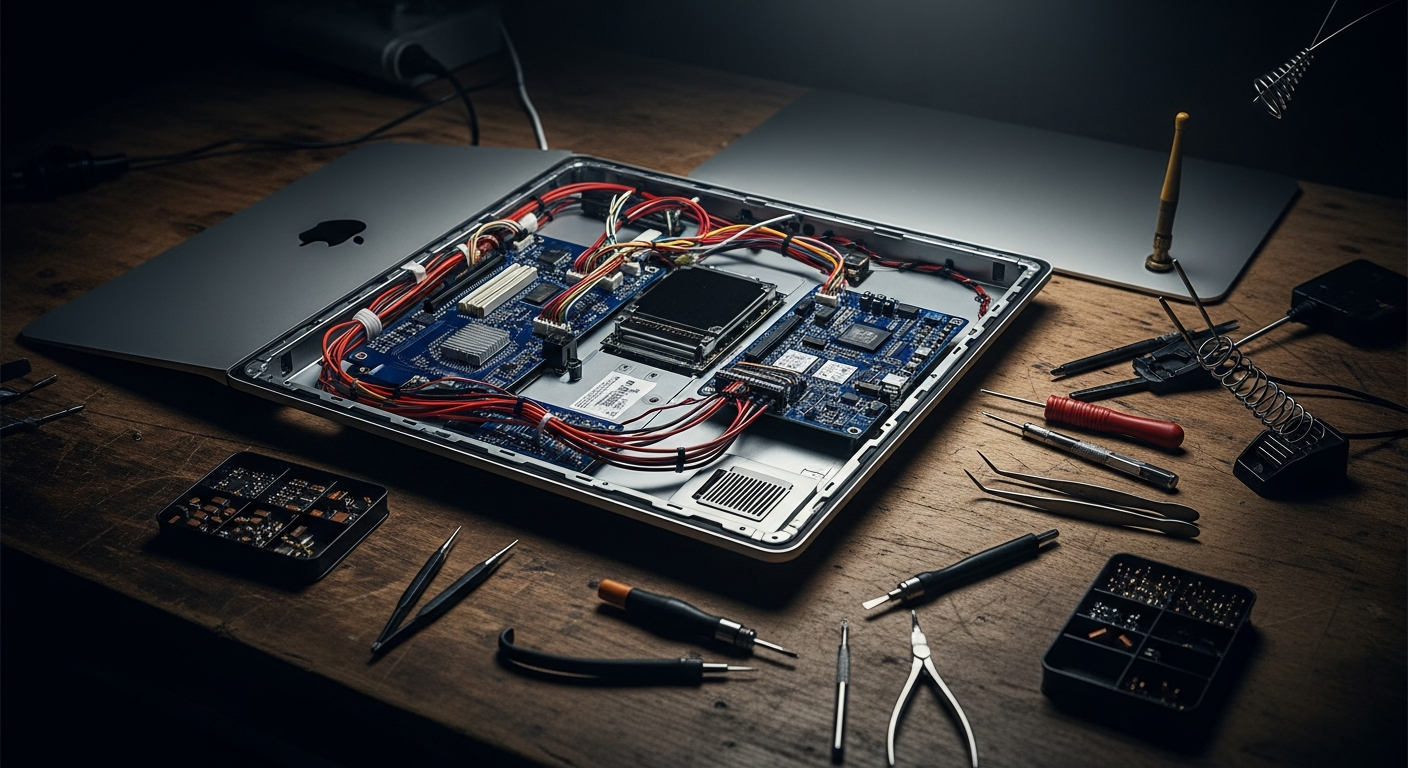
The digital sphere frequently celebrates innovation, yet it just as often quietly normalizes planned obsolescence. The latest symptom of this pervasive trend isn't a new gadget but the inventive repurposing of an old one: turning a 5K iMac, once a pinnacle of integrated design, into a standalone 5K display. This isn't just a testament to user ingenuity; it’s a critical commentary on the industry's walled gardens, designed limitations, and the often-unnecessary push for constant upgrades.
While Apple, with its Retina displays, undeniably popularized high-DPI screens in consumer electronics during the early 2010s, this technological leadership has, over time, morphed into a mechanism of control. The original appeal of a breathtakingly sharp display now ironically fuels a secondary market for hardware liberation, as users seek to extract residual utility from devices deemed 'obsolete' by their makers. The journey from a premium, all-in-one computer to a humble monitor encapsulates a broader crisis of consumer empowerment.
Key Takeaways
-
Planned Obsolescence Persists: The conversion of functional hardware highlights how software and design choices artificially limit product lifespan.
-
Ecosystem Lock-in: Apple's tightly integrated ecosystem, while offering a seamless user experience, simultaneously restricts versatility and repurposing.
-
Consumer Ingenuity as Resistance: Users are increasingly finding creative ways to circumvent corporate design decisions and extend the life of their devices.
-
Environmental Impact: The drive for constant upgrades fuels electronic waste, making device longevity a critical environmental concern.
-
The Premium Trap: Consumers pay a premium for hardware that often has its potential artificially capped by manufacturers over time.
The Golden Cage of Proprietary Design
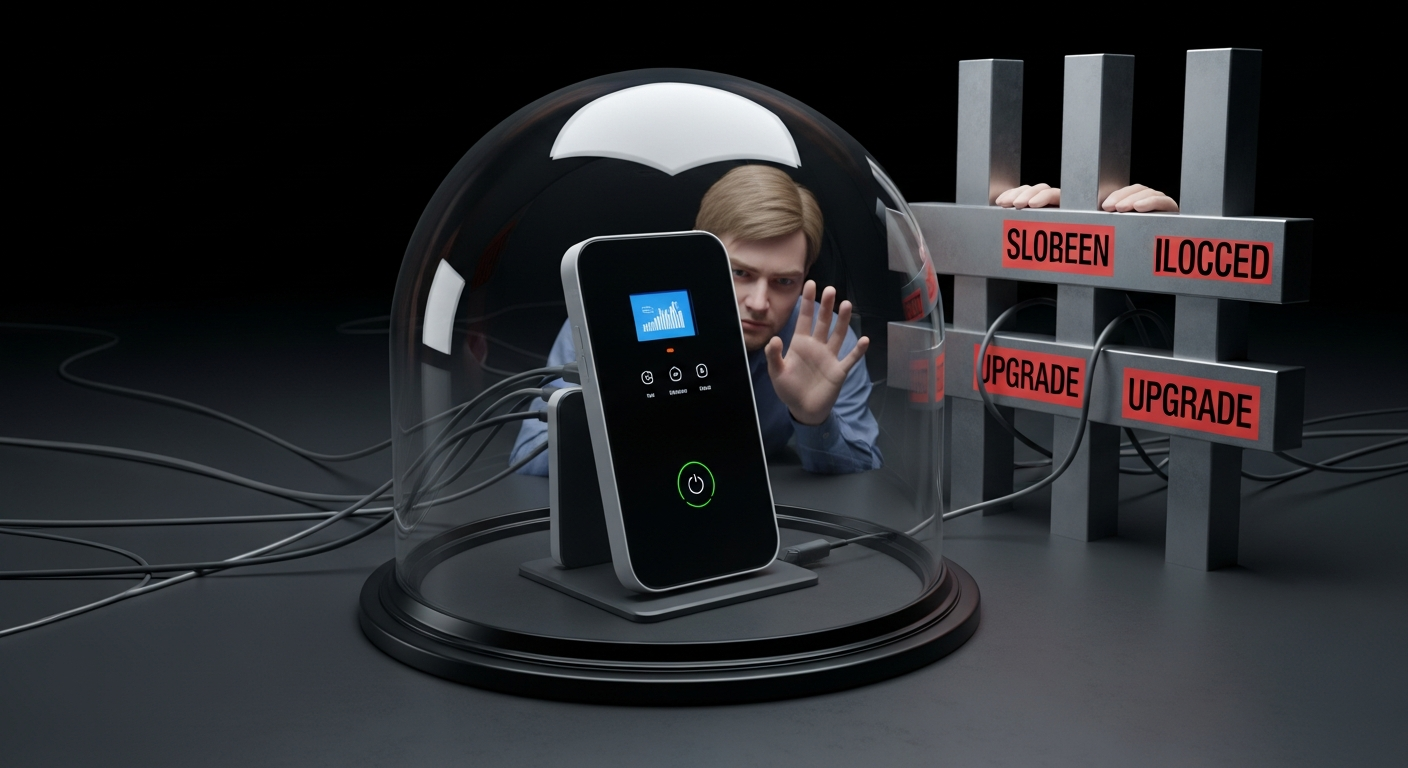
Apple's design philosophy has always championed integration and simplicity. From its iconic industrial design to its tightly coupled hardware and software, the experience is meticulously curated. Yet, this very integration becomes a double-edged sword when hardware reaches a certain age. Unlike traditional desktop PCs where components can be swapped and upgraded, or monitors that serve a single, consistent function across decades, the iMac is a closed system. Its display, arguably its most impressive and enduring component, becomes tethered to an aging logic board, rendering the entire unit 'obsolete' when the internal computer can no longer keep pace with modern software demands or receive critical updates.
This isn't an accidental oversight; it's a deliberate design choice. The inability to easily use an iMac's display independently, or to upgrade its internal components incrementally, funnels consumers towards purchasing entirely new devices. The Target Display Mode, which once allowed some older iMacs to function as external monitors, was eventually removed, further solidifying the 'all-in-one, all-or-nothing' paradigm. This strategic limitation forces users into a cycle of full device replacement, regardless of the remaining utility of individual components.
Beyond the 'Retina Revolution': The Cost of Progress
When Retina displays first emerged, they were a revelation. The crisp text and vibrant images set a new standard, forcing competitors to catch up. However, the initial technological advantage gradually transformed into a proprietary advantage, leveraging the high-quality screen to lock users into Apple's ecosystem. The 5K iMac display remains a marvel years after its release, yet its potential is curtailed by the very company that pioneered it. The process of converting one into a monitor typically involves significant hardware modification, bypassing the original logic board to access the display panel directly. This complex procedure underscores a fundamental disconnect: the technology is capable, but the manufacturer's design prevents its extended, flexible use.
This situation is particularly galling given the premium price point of these machines. Consumers invest heavily in what they expect to be high-quality, long-lasting assets. To then find these assets artificially limited or forced into early retirement by software and design choices feels, to many, like a betrayal of that investment. It's a reminder that in the world of high-tech, 'ownership' often comes with an invisible asterisk, denoting the manufacturer's ultimate control.
Public Sentiment: Frustration, Ingenuity, and Environmental Concern
The conversation around repurposing older iMacs is rife with mixed emotions. On one hand, there's admiration for the technical skill required to execute such a conversion, highlighting a defiant spirit against industry norms. Reddit threads and tech forums are filled with users sharing their successful hacks, often accompanied by sentiments like, "Finally, getting the true value out of this screen!" or "Why Apple didn't make this an option is beyond me."
Yet, beneath the celebration of ingenuity lies a palpable frustration. "It's ridiculous that I have to practically rebuild a computer to use its best part," one user lamented on a tech blog. Another commented, "This just screams planned obsolescence. My screen is perfect, but the CPU can't handle modern apps. Apple just wants me to buy a new one." Beyond individual frustration, there's a growing undercurrent of environmental concern, with many questioning the ethics of manufacturing practices that encourage such rapid turnover of electronic goods, contributing massively to e-waste.
Conclusion
The phenomenon of the 5K iMac-turned-display is more than just a clever hack; it's a microcosm of the larger tensions between corporate strategy, technological capability, and consumer demand for longevity and value. It serves as a powerful reminder that while innovation drives progress, restrictive design choices and the relentless pursuit of upgrade cycles can ultimately undermine consumer trust and contribute to a wasteful tech culture. As consumers grow more environmentally conscious and financially prudent, the industry, led by companies like Apple, will face increasing pressure to design products that offer not just cutting-edge performance, but also genuine versatility and enduring utility, free from the shackles of premature obsolescence.