
Key Takeaways
-
The Delhi High Court has issued an interim injunction against music composer Ilaiyaraaja in a copyright dispute with music label Saregama.
-
The order restrains Ilaiyaraaja from using or exploiting musical works and sound recordings from 134 films.
-
Saregama contends it holds exclusive, worldwide, and perpetual rights to these works, alleging infringement by the maestro.
-
This high-profile case is poised to offer crucial clarity on intellectual property ownership and artist rights within the Indian music industry.
-
The legal proceedings are ongoing, with future court dates scheduled for April 2026, indicating a prolonged and impactful battle.
[FEATURED]
The Heart of the Dispute: Ownership vs. Creation
In an era where digital platforms have democratized music distribution while simultaneously complicating ownership claims, the legal skirmish between Ilaiyaraaja, the revered 'Maestro' of Indian cinema music, and Saregama, a veteran music label, spotlights a contentious issue: who truly owns the creative output? The Delhi High Court's recent interim order, passed by Justice Tushar Rao Gedela on February 13, has temporarily sided with Saregama, restraining Ilaiyaraaja from leveraging musical works and sound recordings from 134 of his iconic films. This injunction extends to his agents, licensees, and associates, preventing any claims of ownership or exploitation of these works.
Saregama's commercial suit alleges that starting in February 2026 – a date that raises eyebrows, suggesting either a typo in the source context or a peculiar temporal dimension to the alleged infringement – Ilaiyaraaja began granting licenses to third parties and uploading his songs to popular platforms like Amazon Music, iTunes, and JioSaavn. The label asserts that these actions directly infringe upon its exclusive, worldwide, and perpetual rights to produce, license, and commercially exploit the works embedded within various cinematograph films. These rights, according to Saregama, were vested through historical agreements. The core of the conflict, therefore, lies in the interpretation of these past contracts and their applicability in the modern digital landscape.
Legal Labyrinth and Future Implications
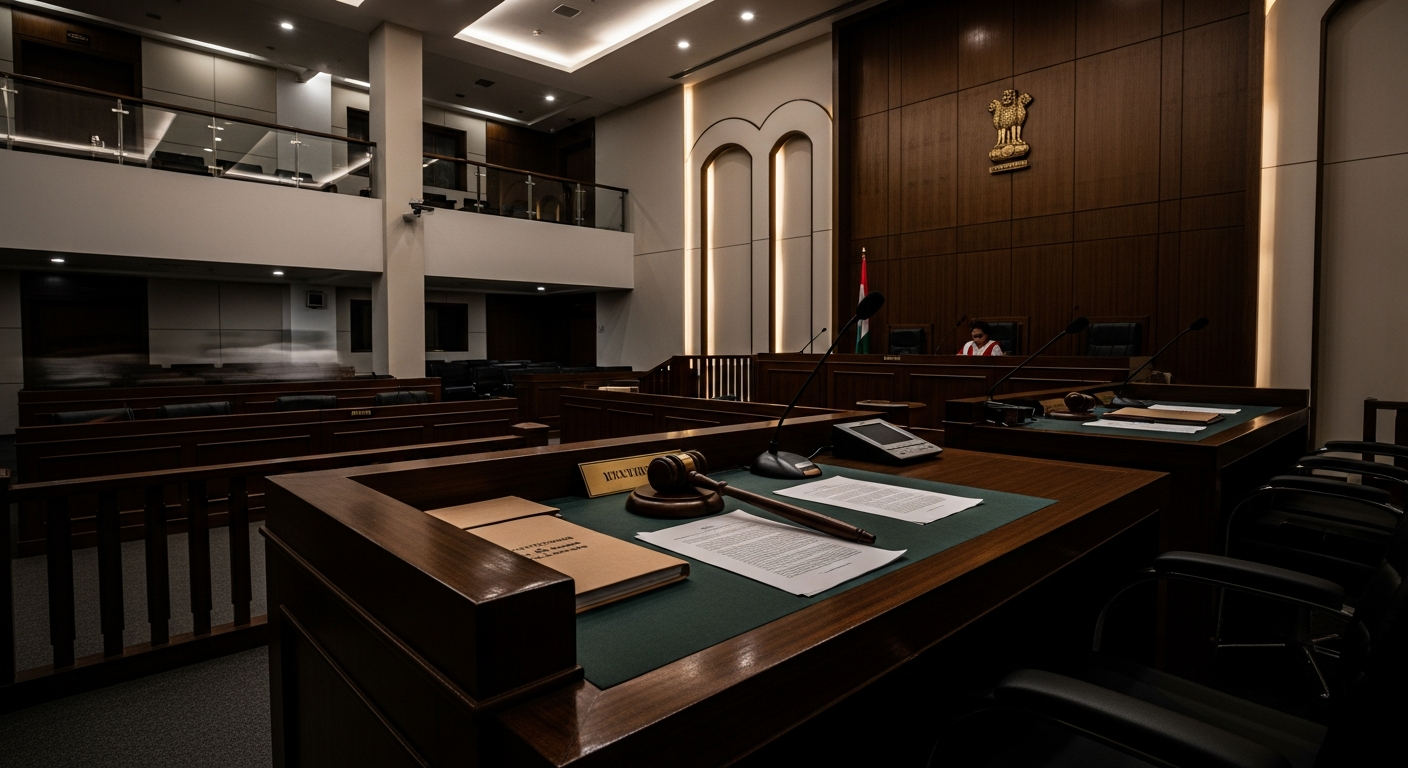
While the interim injunction provides immediate relief to Saregama, the legal journey is far from over. The court has issued summons in the suit, directing Ilaiyaraaja to file a written statement within 30 days. Further legal procedural steps, including replies to the interim injunction application and rejoinders, are scheduled to unfold over the coming weeks. The matter is slated to be heard before the court on April 2, 2026, with the Joint Registrar taking up the case on April 24, 2026, for completion of service and pleadings. This extended timeline underscores the complexity and the profound implications of the case.
The outcome of this dispute will undoubtedly send ripples throughout the Indian music and film industries. It forces a critical examination of artist-label agreements, particularly those drafted in a pre-digital era, and how they translate to contemporary monetization models. Will it empower artists with greater control over their intellectual property in perpetuity, or will it solidify the corporate claims derived from decades-old contracts? The 'Rusty Tablet' posits that this case will likely serve as a crucial test case, potentially setting a precedent for how future intellectual property disputes are resolved, especially concerning the legacy works of celebrated artists. The balance between compensating creators and respecting established contractual rights hangs delicately in the scales of justice.
The Maestro's Legacy Under Scrutiny
Ilaiyaraaja, often lauded as 'Isaignani' (the musical sage) and 'Maestro' by the Royal Philharmonic Orchestra, is a titan of Indian music. His career, spanning decades, has seen him compose for thousands of films across multiple languages, integrating Western classical harmonies into Indian film music and pioneering technological advancements like recording soundtracks with computers in 1986.

His accolades are numerous, from the Sangeet Natak Akademi Award to the Padma Vibhushan, and he currently serves as a nominated Member of Parliament. To see a figure of such immense stature embroiled in a copyright battle of this magnitude underscores the universal challenge of intellectual property rights, irrespective of an artist's legacy.
This legal challenge, while not questioning his unparalleled artistic contribution, places his commercial rights under the microscope. It compels a re-evaluation of the financial and legal frameworks that govern artistic creation and its exploitation. For an artist of Ilaiyaraaja's renown, the battle is not just about financial compensation but also about the enduring narrative of his creative ownership.
Public Sentiment
The public's reaction to the unfolding drama has been predictably mixed, yet intensely passionate. A significant portion of online discourse reveals a strong sentiment of solidarity with Ilaiyaraaja, viewing the situation as a classic struggle of the individual creator against a powerful corporate entity. Many argue that an artist's inherent right to their creations should supersede historical contracts, especially when such works form a cornerstone of their identity and legacy. Conversely, a more pragmatic segment acknowledges the legal intricacies, emphasizing the sanctity of signed agreements and the necessity of a robust legal framework for the music industry to function. There's a palpable sense of unease within the broader creative community, anxious about the potential ramifications for their own future earnings and autonomy, making this a widely watched case among artists, producers, and legal professionals alike.
Conclusion
As the legal gears grind towards April 2026, the Ilaiyaraaja vs. Saregama case transcends a mere financial dispute. It is a crucible in which the fundamental principles of intellectual property in the digital age will be tested. The eventual judgment will not only determine the fate of 134 iconic film scores but will also cast a long shadow, either empowering creators with greater control over their legacies or solidifying the corporate grip on artistic output for generations to come. The 'Rusty Tablet' will be watching closely, as this verdict could redefine the very essence of artistic ownership in India.