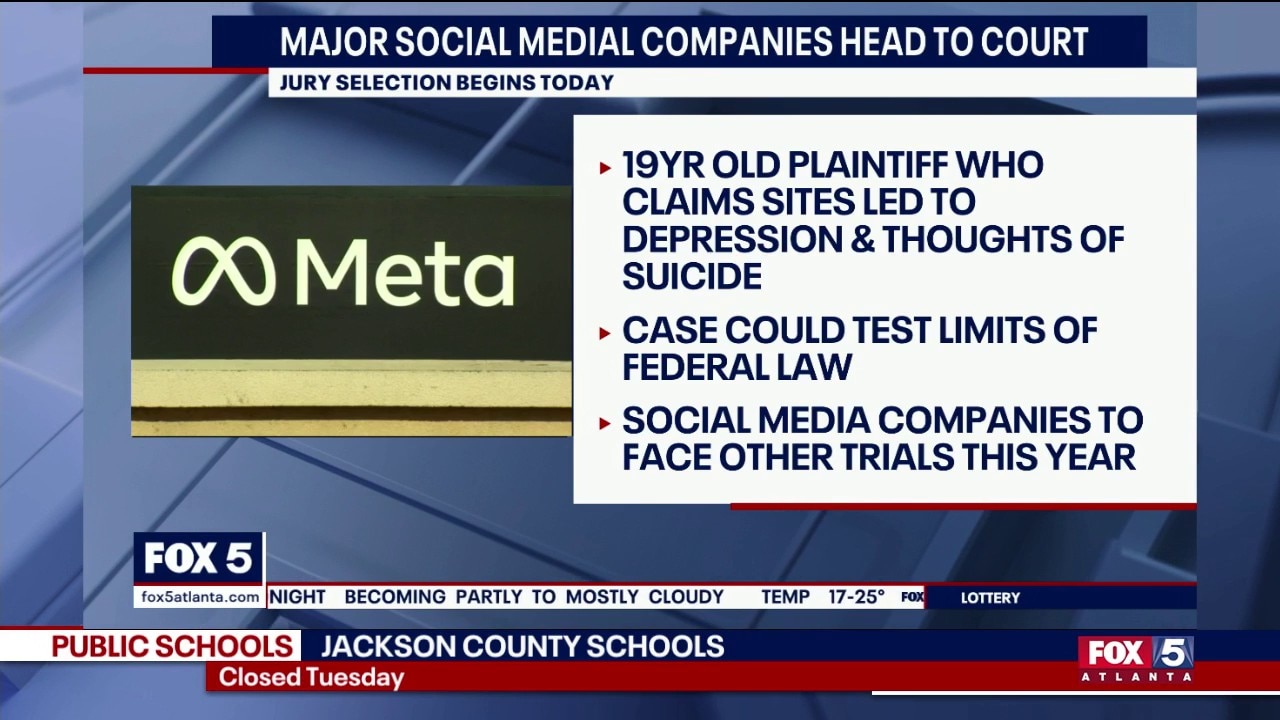
Digital Crossroads: Landmark Social Media Trial Commences with Georgia at its Epicenter
Nut Graph: What happens when digital platforms intersect with real-world events, leading to widespread impact across communities? That question is at the heart of a landmark social media trial commencing this week, poised to challenge existing notions of tech accountability. The proceedings will meticulously examine a critical period from Monday evening at 8:00 PM EST to Tuesday morning at 9:00 AM EST, during which events unfolded across more than sixty counties in Georgia, setting the stage for a precedent-setting legal battle with implications far beyond the Peach State.
Key Takeaways:
-
An unprecedented social media trial begins, scrutinizing the role and responsibilities of digital platforms.
-
The case specifically focuses on events and their amplification across over sixty Georgia counties.
-
A precise, critical 13-hour window (Monday 8 PM EST to Tuesday 9 AM EST) is central to the litigation.
-
The trial is expected to establish new legal precedents regarding tech liability, content moderation, and user safety.
-
Outcomes could significantly reshape the operational frameworks for social media companies and inform future regulatory efforts.
[FEATURED]
The Core Allegations and 'Landmark' Status
This week marks the beginning of what legal analysts are universally calling a 'landmark' social media trial. While the specific details of the allegations remain under strict court protocols, the overarching theme revolves around the responsibility of digital platforms for content disseminated and its real-world consequences. Industry observers suggest the trial delves into issues such as the algorithmic amplification of harmful narratives, the efficacy of content moderation policies, or the platforms' failure to act decisively during a critical period of escalation. Its 'landmark' designation stems from its potential to reinterpret existing laws, such as Section 230 of the Communications Decency Act, or to establish entirely new legal frameworks for digital accountability in an increasingly connected society. The very commencement of such a broad-reaching case signifies a growing judicial willingness to scrutinize the operational mechanics and societal impact of technology giants.
Geographic Nexus: Georgia's Extensive Role
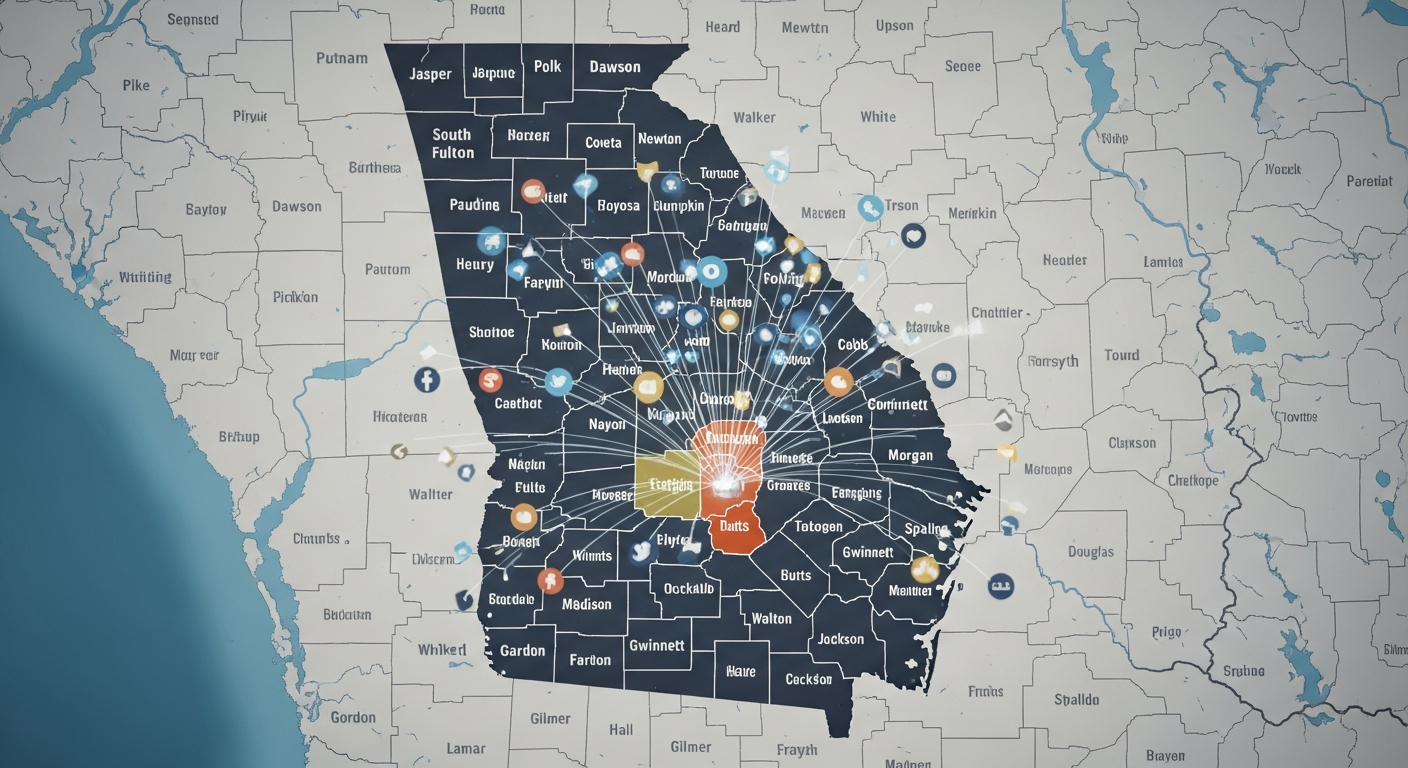
Uniquely, the trial's focus is intricately tied to an expansive geographic footprint across Georgia. The litigation specifically references events and their ramifications spanning over sixty counties, including but not limited to Jasper, Putnam, South Fulton, Polk, Dawson, Coweta, Heard, Meriwether, Newton, Lumpkin, Pickens, Upson, White, Walker, Pike, Catoosa, Paulding, Bartow, Henry, Towns, Clayton, North Fulton, Morgan, Forsyth, Troup, Cobb, Banks, Clarke, Fannin, Butts, Oconee, Fayette, Cherokee, Haralson, Greene, Dade, Douglas, Oglethorpe, Walton, Madison, Gilmer, Hall, DeKalb, Union, Jackson, Whitfield, Lamar, Murray, Carroll, Chattooga, Barrow, Gordon, Floyd, Rockdale, Gwinnett, and Spalding. This extensive list of affected regions suggests that the events under scrutiny were not isolated incidents but rather widespread phenomena, potentially indicative of coordinated digital activity or the pervasive reach of a particular type of content. The inclusion of such a broad swathe of the state underscores the systemic nature of the issues being addressed, highlighting how digital events can cascade into widespread regional impact.
The Critical 13-Hour Window
Central to the prosecution's case is a highly specific and brief timeframe: from Monday at 8:00 PM EST until Tuesday at 9:00 AM EST. This 13-hour window is not coincidental; it represents a period during which the alleged harmful events reached a critical mass or were allowed to proliferate unchecked. Legal experts speculate this could relate to a specific online campaign, the rapid dissemination of misinformation, an organized digital action, or a documented period of inaction by platform administrators. The tight temporal focus demands an exhaustive examination of platform logs, user data, and real-world consequences during this precise interval. The specificity of this timeline suggests compelling evidence exists to tie digital activities directly to tangible outcomes within the designated Georgia counties, making the legal argument particularly potent.

Legal Precedents and Broader Industry Impact
The outcome of this trial carries immense weight for the entire technology industry. A ruling against the social media platform could fundamentally alter how companies approach content moderation, user safety, and their legal liabilities for third-party content. It could spark a wave of similar lawsuits, particularly in states where local events have been demonstrably influenced by online activity. Conversely, a favorable ruling for the platform could solidify existing legal protections, though it would likely intensify public and legislative calls for greater regulation. Beyond legal precedents, the trial will undoubtedly influence public perception, potentially shifting user behavior and putting increased pressure on platforms to adopt more transparent and proactive measures to ensure digital well-being. The Rust Tablet anticipates a ripple effect that will extend globally, as nations grapple with similar challenges in the digital sphere.
Public Sentiment
Across Georgia and the wider nation, public sentiment regarding the trial is multifaceted. There's a palpable sense of anticipation among advocacy groups who view this as a crucial step towards greater accountability for tech giants. Many citizens in the affected counties express a blend of apprehension and hope, seeking justice for perceived harms while also wary of potential implications for free speech online. "It's time these companies answered for the chaos they allow," one resident from South Fulton County commented anonymously. Another from Cobb County pondered, "While accountability is important, we must ensure any new rules don't stifle the very connectivity that empowers us." This dichotomy reflects the complex challenge of balancing platform responsibility with the fundamental principles of an open internet.
Conclusion
The landmark social media trial now underway represents a pivotal moment in the ongoing dialogue between technology, law, and society. By anchoring its proceedings to a specific, critical timeframe and a broad expanse of Georgia counties, the court aims to dissect the intricate relationship between digital actions and real-world consequences. The verdict will not only determine the future responsibilities of social media platforms but will also set a crucial benchmark for how legal systems around the world address the profound challenges and opportunities of the digital age. All eyes remain on Georgia as this unprecedented legal battle unfolds.