Key Takeaways
-
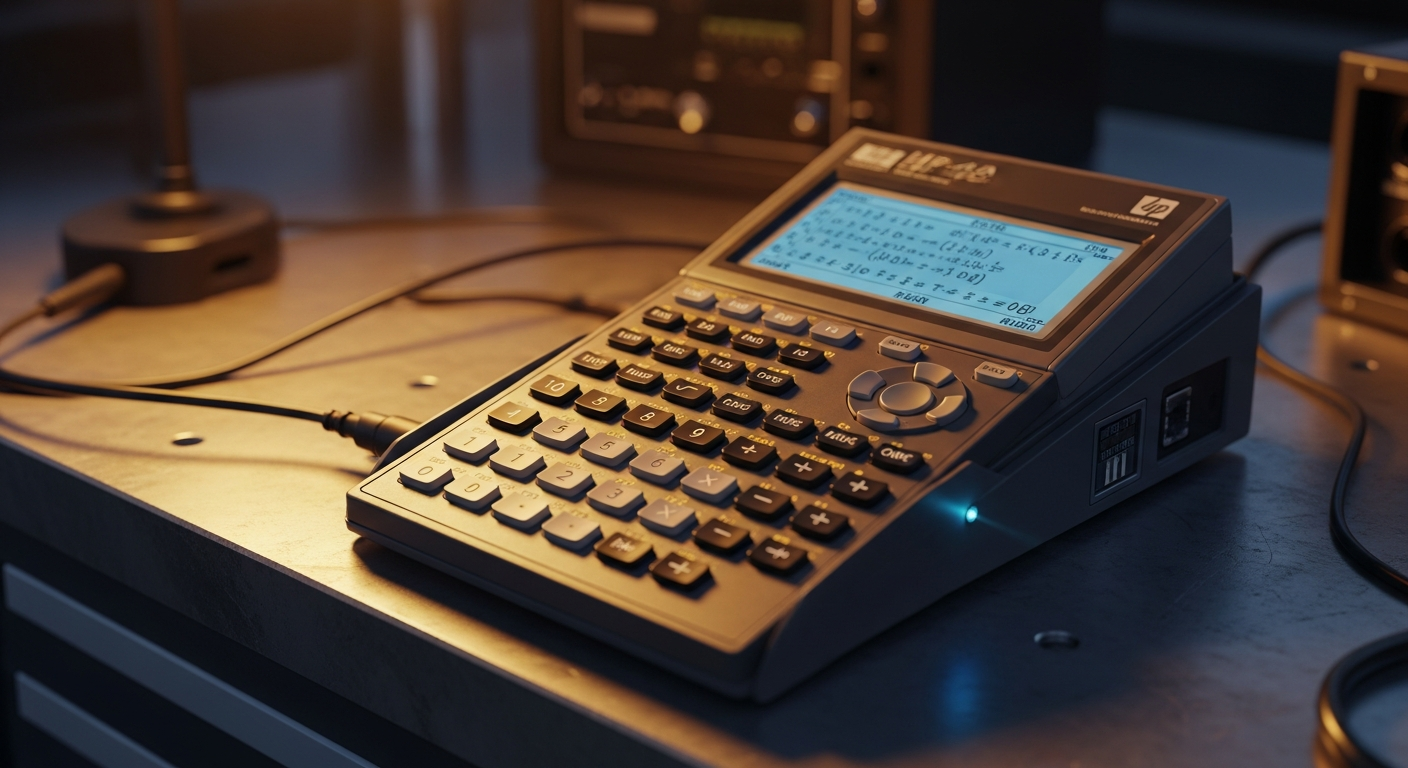
Beyond Basic Arithmetic: HP calculators, especially scientific and graphical models, were engineering marvels, designed for complex tasks far beyond simple sums.
-
Pioneering Wireless: Infrared communication integrated into these devices allowed for early, efficient wireless data transfer between calculators and peripherals, long before modern wireless standards.
-
Industrial Foresight: This feature highlighted HP's commitment to robust design and user-centric innovation, anticipating future connectivity needs.
-
Overlooked Legacy: The sophistication of these systems often goes unrecognized, overshadowed by their 'calculator' label, yet they represent a significant step in portable tech evolution.
The Unsung Genius of HP: More Than Just Numbers
For many, the word 'calculator' conjures images of school desks and basic arithmetic. A simple tool, easily replaceable, designed for rudimentary tasks. But to truly understand the technological landscape of the late 20th century is to look past this superficial veneer and recognize the engineering prowess embedded in devices like HP's scientific and graphical calculators. These were not just adding machines; they were compact computers, precision instruments, and, crucially, pioneers in an often-overlooked frontier: wireless communication.
HP, a company synonymous with engineering excellence, consistently pushed the boundaries of what a calculator could be. While competitors focused on affordability or basic functionality, HP imbued its flagship models with a robustness, programmability, and a suite of features that elevated them to indispensable tools for engineers, scientists, and students alike. The very existence of models capable of complex symbolic manipulation or sophisticated graphing functions shattered the 'simple device' myth. But the real game-changer, the feature that truly set them apart and often remains unappreciated, was their embrace of infrared communication.
Infrared: The Silent Revolution in Handheld Connectivity
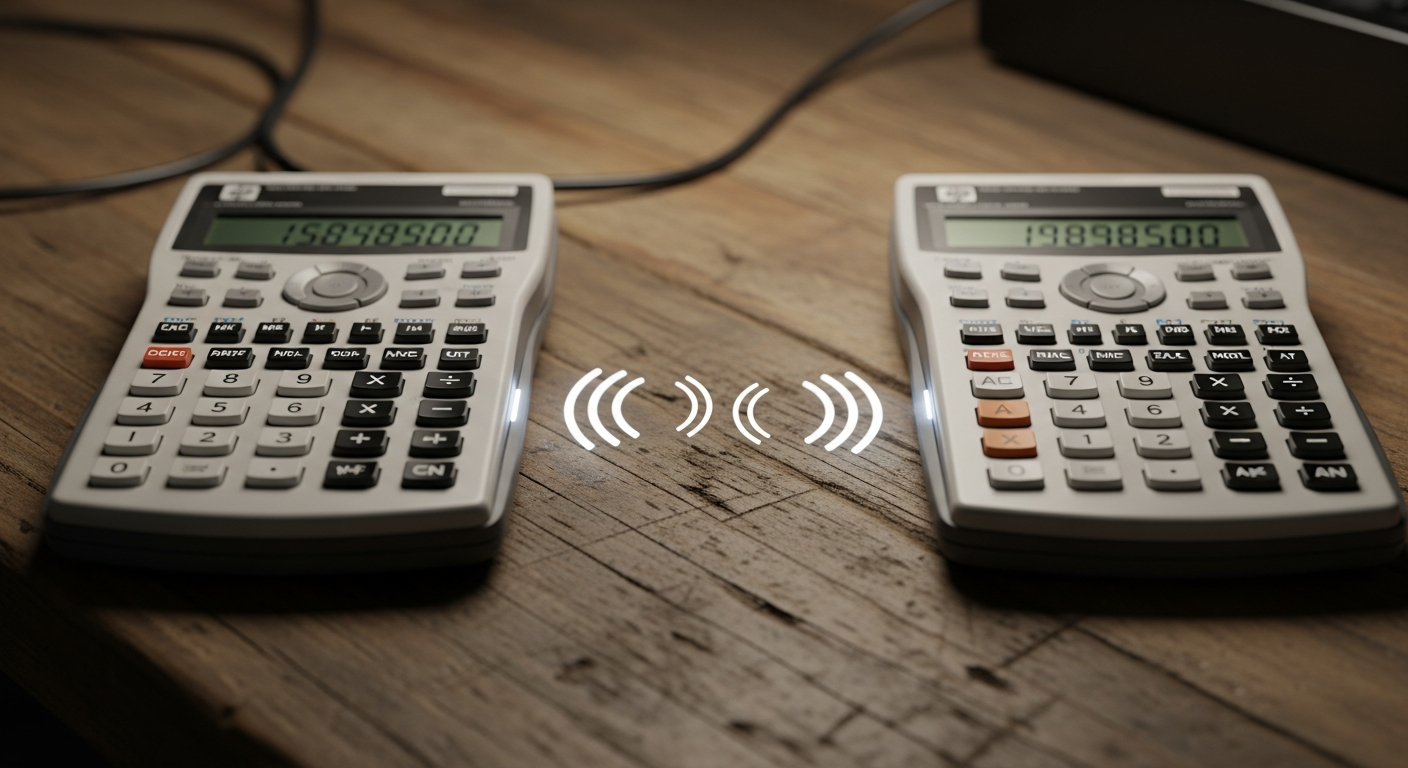
Before Wi-Fi became a household term and Bluetooth a ubiquitous standard, HP calculators were quietly facilitating data transfer through infrared (IR). Imagine a time when moving data between two devices typically involved cumbersome serial cables, proprietary connectors, or tedious manual re-entry. HP offered an elegant alternative: simply point two compatible calculators at each other, and data – programs, equations, notes – would flow almost magically through the air.
This wasn't just a novelty; it was a functional, practical solution to a real-world problem. Engineers in the field could quickly share custom programs, students could exchange complex formulas, and all without the tangles of cables or the need for a desktop computer. The HP-48 series, in particular, became legendary for its robust IR capabilities, allowing peer-to-peer sharing and even communication with specific printers and early PCs. It was a testament to design thinking that prioritised convenience and efficiency in a portable format.
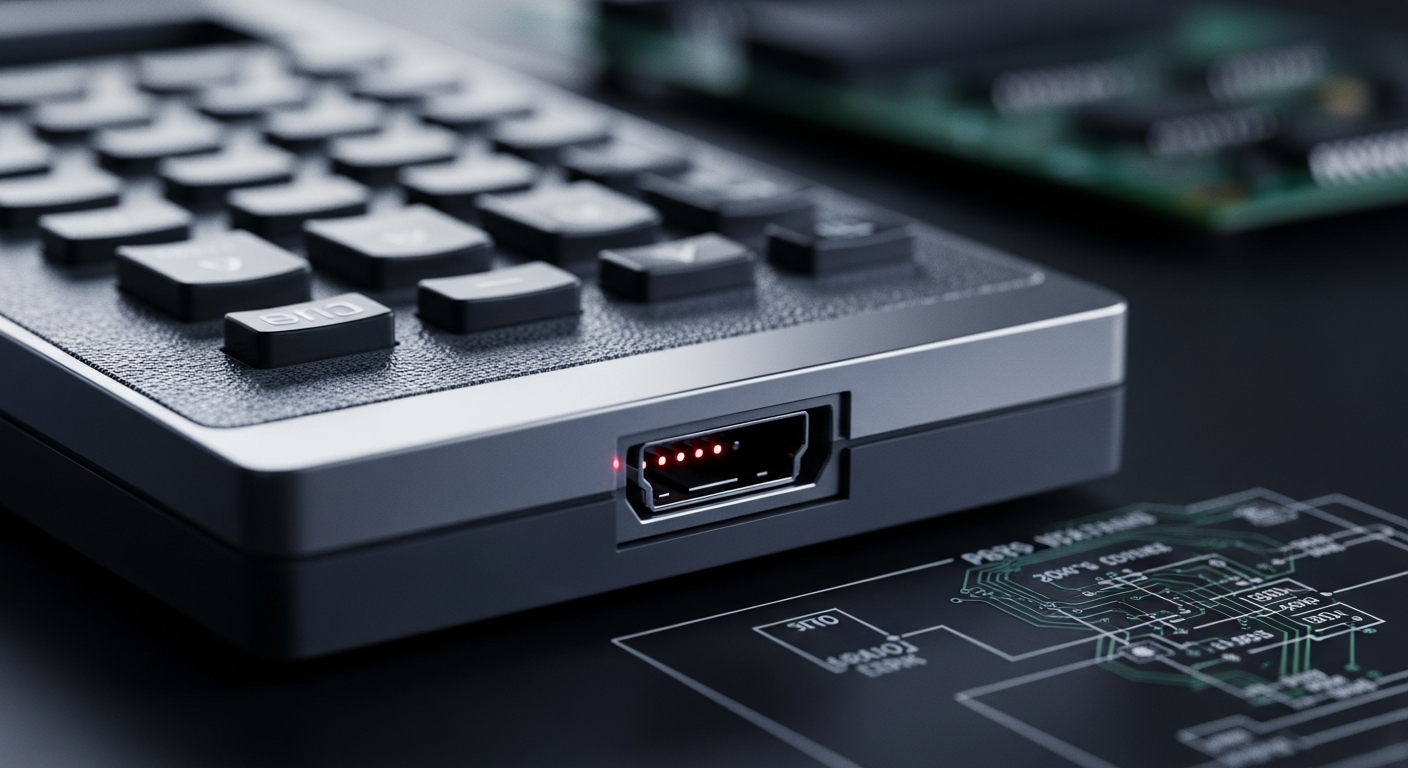
From an industrial perspective, the integration of infrared ports into these devices represented a significant manufacturing and design challenge. It required precise alignment, robust optical components, and sophisticated software protocols to ensure reliable data transmission. HP's dedication to quality meant these systems were not fragile additions but integral, durable parts of the calculator's architecture, capable of withstanding the rigors of daily use in varied environments.
A Legacy of Foresight
The technological echoes of HP's infrared calculators resonate even today. They demonstrate a foundational understanding of the user's desire for seamless interaction and freedom from physical constraints. While the specific IR technology used in those calculators has largely been supplanted by more advanced radio-frequency standards, the principle remains identical: wireless data exchange for enhanced utility. It was a clear precursor to the networked world we inhabit, showcasing a visionary approach to personal computing devices.
The 'Rusty Tablet' perspective often emphasizes the long view of technology, tracing innovations from their nascent forms to their pervasive impact. In this context, HP's infrared calculators are not relics; they are crucial milestones. They represent an era when companies dared to embed advanced, often expensive, features into seemingly mundane devices, elevating them into instruments of profound capability and connectivity. [FEATURED]
Public Sentiment: Nostalgia for Industrial Quality
Looking back, the sentiment around these devices is often tinged with admiration and a healthy dose of nostalgia for a bygone era of industrial quality.
-
"My HP-48GX with IR was a beast. I could beam equations to my friend's calculator across the classroom – felt like something out of a spy movie at the time. Never had a cable break, either." – Former Engineering Student, now Lead Architect
-
"You held an HP calculator, and you felt the engineering. The IR port wasn't just tacked on; it was part of a system designed to work, reliably, for years. Modern gadgets feel so disposable by comparison." – Retired Electrical Engineer
-
"The IR on those HP models was revolutionary for its time. People don't realize how much thought went into making complex tech accessible and portable back then. It truly set a standard." – Tech Historian Forum Member
Conclusion: Redefining the Calculator's Role
HP calculators, with their sophisticated engineering and integrated infrared communication, demand a re-evaluation of their historical significance. They were not merely tools for calculation; they were early adopters of wireless connectivity, robust platforms for advanced problem-solving, and exemplars of industrial design that prioritized longevity and functionality. Their legacy serves as a potent reminder that true innovation often lies in enhancing the capabilities of the familiar, turning a simple device into a silent pioneer of the connected future.