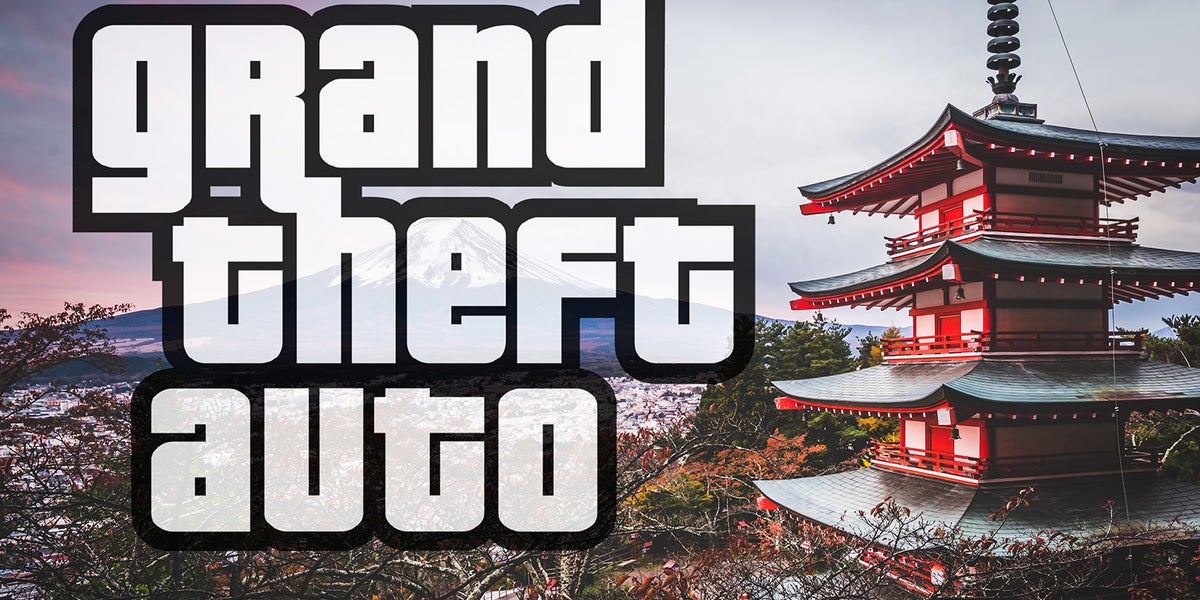
The sprawling, often chaotic urban landscapes of Grand Theft Auto are synonymous with American metropolises like Liberty City and Los Santos. Yet, a recent exposé reveals a tantalizing glimpse into a parallel universe where players might have navigated the neon-lit streets of Tokyo or the vibrant favelas of Rio. This contemplation of what could have been, alongside the pragmatic reasons for Rockstar's enduring loyalty to its American sandbox, offers a fascinating look into the interplay of creative vision, financial prudence, and cultural identity that shapes one of gaming's most lucrative franchises.
Key Takeaways
-
Global Ambitions: Rockstar Games explored non-American settings like Tokyo, Rio de Janeiro, Moscow, and Istanbul.
-
Tokyo's Near Miss: Tokyo almost became a reality, with plans for a Japanese studio to adapt Rockstar's code.
-
Financial Prudence: Billions of dollars in investment steer development towards culturally familiar and proven American settings.
-
America-Centric Design: Core GTA elements like "melting pot" demographics, wealth disparity, crime, and widespread gun culture are seen as intrinsically American.
-
The "American Loop": The series is predicted to remain largely within a cycle of about five familiar American cities.
[FEATURED]
The Global Dream That Almost Was
For years, the Grand Theft Auto community speculated about the series breaking free from its American confines. Now, former Rockstar North technical director Obbe Vermeij, a veteran of GTA 3, Vice City, San Andreas, and GTA 5, confirms these aspirations were real. He revealed to GamesHub that non-American settings like Tokyo, Rio de Janeiro, Moscow, and Istanbul were seriously considered.
"Tokyo almost actually happened," Vermeij stated, detailing plans for "Another studio in Japan [to] take our code and do GTA: Tokyo." A tantalizing vision, yet it "didn't happen in the end." This near-miss underscores the significant creative exploration Rockstar once pursued.
The Billions Behind the Boundaries
Why did these global ambitions stall? Vermeij points directly to the colossal financial stakes. "When you've got billions of dollars riding on it it's too easy to go let's do what we know again," he explained. Familiarity breeds confidence in such high-stakes ventures.
The established recognition of American cities also plays a crucial role. "America is basically the epicenter of Western culture, so everybody knows the cities," Vermeij noted. This inherent cultural familiarity mitigates the risk of introducing players to less universally understood backdrops, especially when budgets reach unprecedented levels.
America: The Core of Chaos
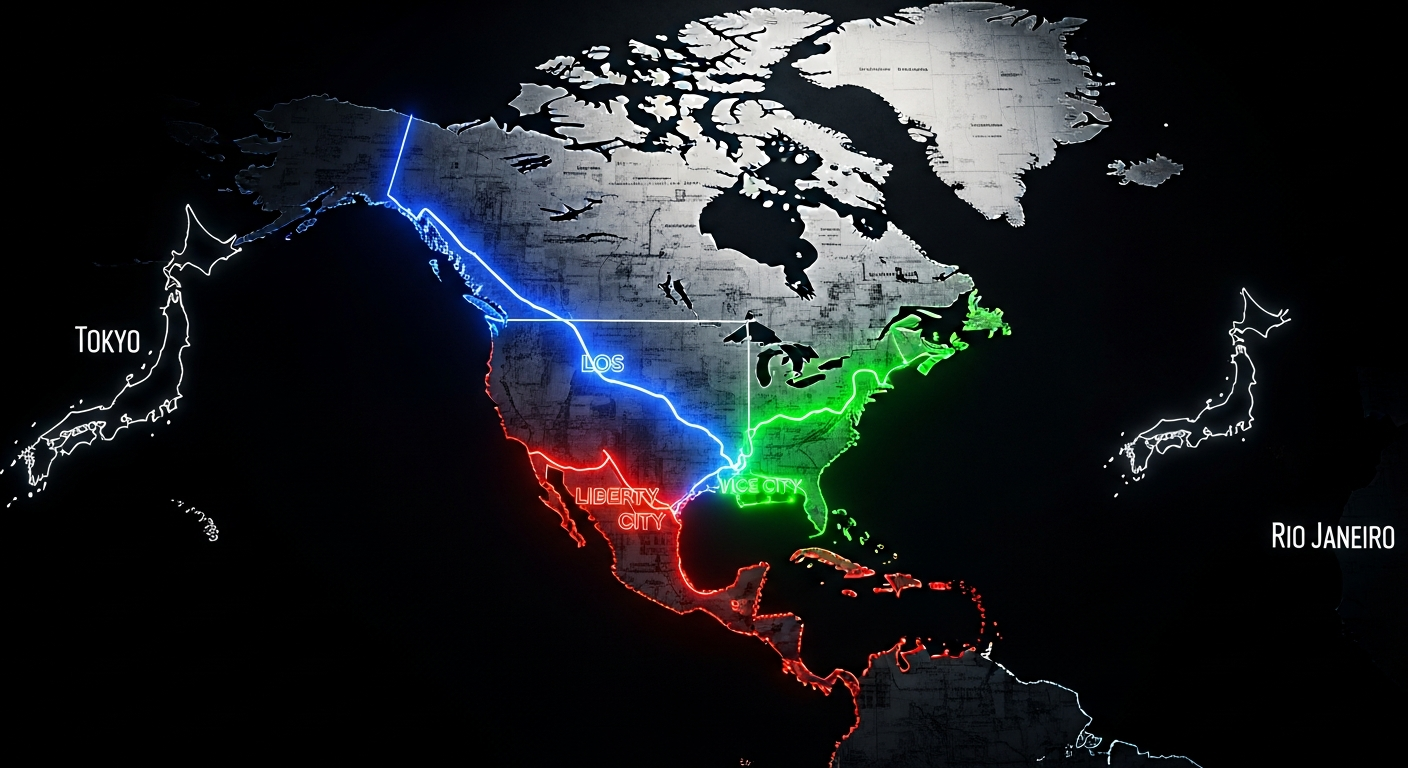
Beyond economics, GTA's core identity appears deeply American. Rockstar co-founder Dan Houser explained that cities like Miami, New York, and Los Angeles serve as perfect "melting pots of activity," where "extreme wealth rubs against extreme poverty, and where glitz, glamour and organised crime can all be found."
Crucially, Houser emphasized the role of firearms: "You needed guns." He felt the game was so inherently "about America... that it wouldn't have really worked in the same way elsewhere." This suggests that key gameplay elements and narrative themes are culturally rooted in the US context.
The Persistent American Loop
A European GTA? "It's just not realistic," Vermeij declared. He cited the current immense development cycles, now spanning a decade or more. "You're not going to get that when there's a GTA every 12 years," he argued, implying the impracticality of building entirely new cultural worlds with such long lead times.
Vermeij's conclusion is stark: "I'm afraid we're stuck in this loop of about five American cities. Let's just get used to it."
Public Sentiment: A Nod and a Grin
Vermeij's candid remarks, particularly his humorous dismissal of "GTA: Toronto" or "Bogota" as "leftfield" locations, offer a glimpse into the pragmatism driving these decisions. It's a humorous acknowledgement of the realities, perhaps resonating with players who, while dreaming of Tokyo, understand the colossal business behind the fun.
Conclusion: The Prudent Path Forward
Grand Theft Auto 6, slated for release next November, will indeed return us to the fictional Miami of Vice City, albeit in a contemporary setting and featuring the series' first playable female lead, Lucia Caminos, alongside Jason Duval. This choice reinforces a strategic commitment: to continually innovate within familiar, proven environments rather than undertaking the monumental risk of an entirely new cultural landscape. While a Grand Theft Auto Tokyo remains a tantalizing "what if," the multi-billion dollar pragmatism dictates that for the foreseeable future, the streets of Liberty, Vice, and Los Santos will remain the primary canvas for Grand Theft Auto's brand of chaos.