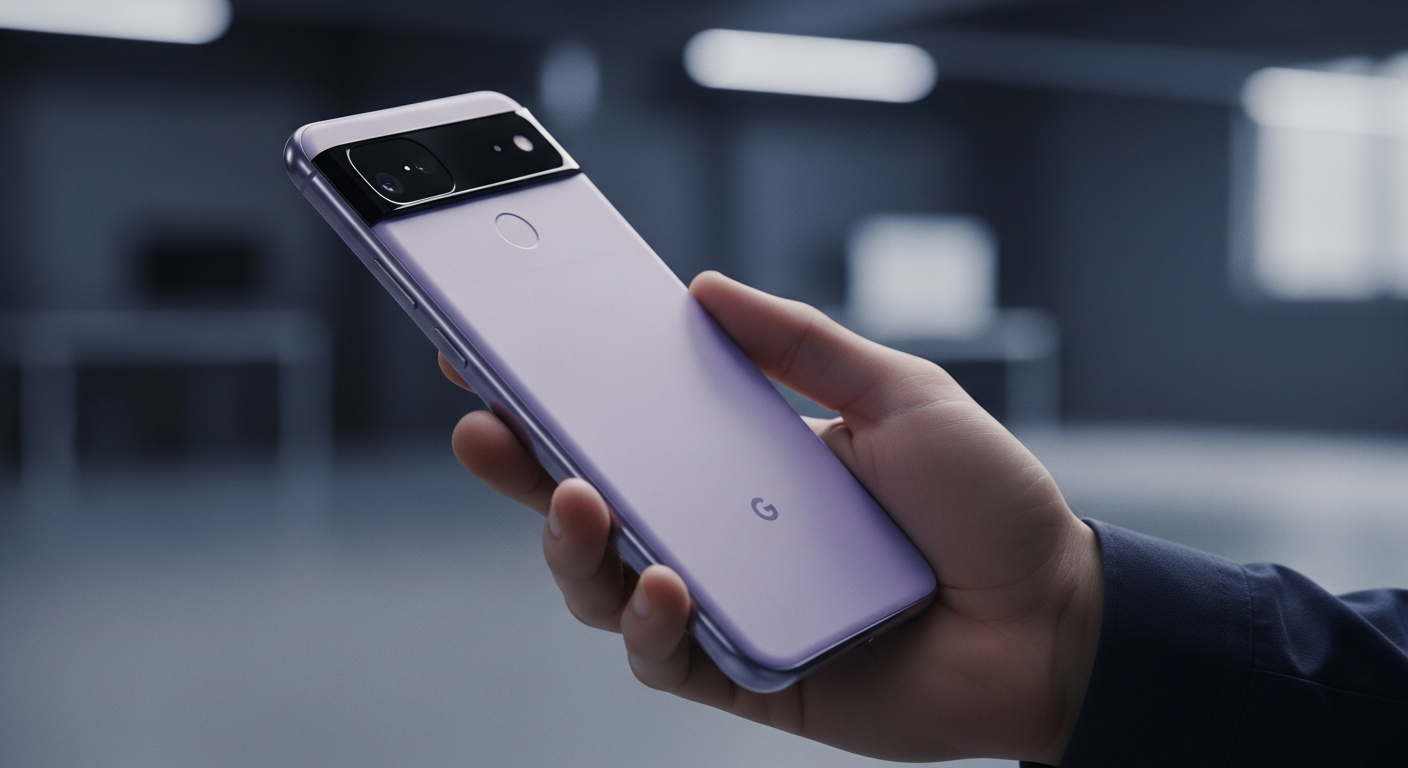
Google has officially launched the Pixel 10a, its latest mid-range smartphone, priced at $499. This release intensifies competition within the crucial budget-to-mid-tier segment, signaling Google's continued commitment to offering a balance of premium features and accessibility, and setting new benchmarks for value in an increasingly crowded market.
Key Takeaways:
-
Pricing Strategy: The Pixel 10a maintains Google's competitive $499 price point for its A-series.
-
Availability: Preorders are live, with general shipments commencing on March 5.
-
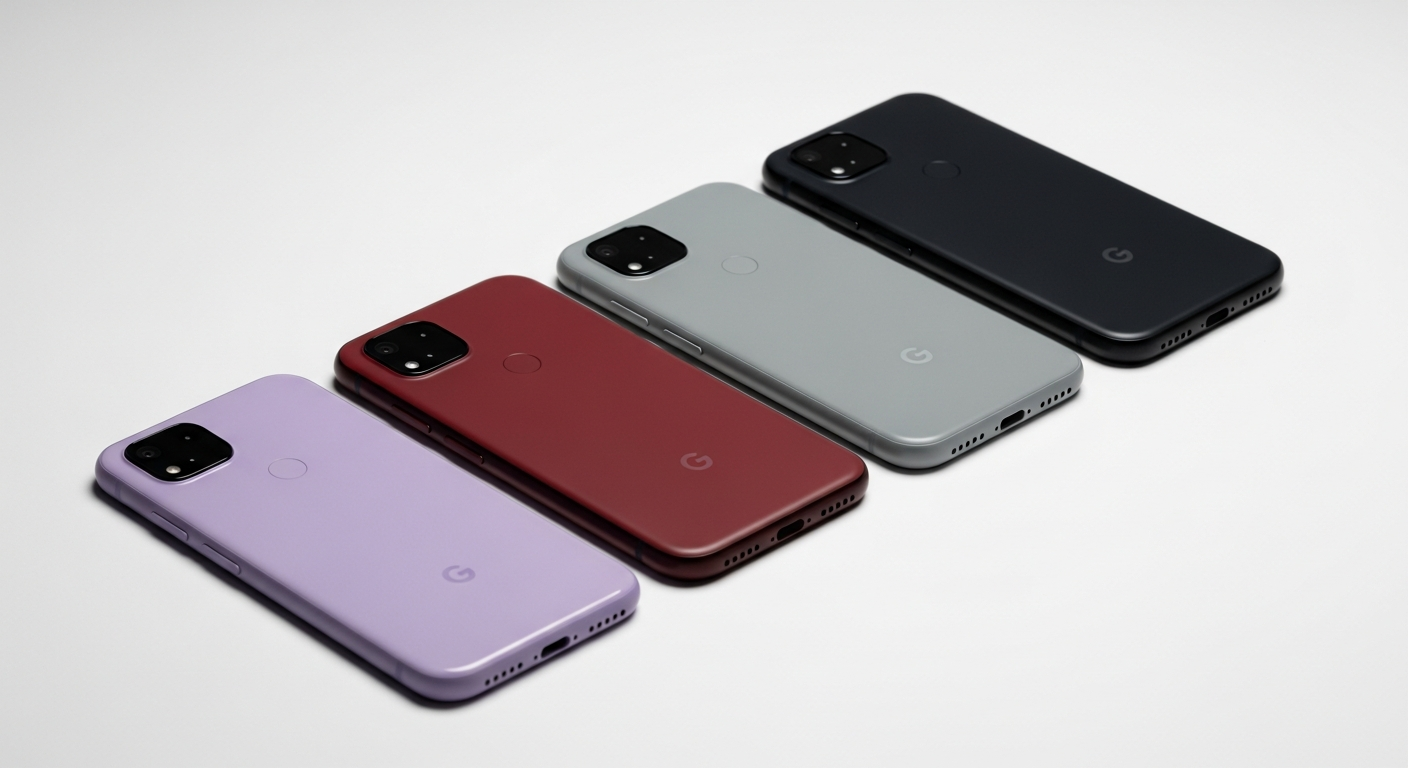
Design & Aesthetics: Available in four distinct colors: Lavender, Berry, Fog, and Obsidian.
-
Market Position: Aims to capture market share in the affordable premium segment against rivals.
-
Google's Ecosystem: Further integrates users into the Pixel and broader Google service ecosystem.
Main Analysis
Strategic Pricing and Market Positioning
The $499 price tag for the Pixel 10a is a critical aspect of Google's strategy. This pricing places it directly against key competitors in the mid-range segment, where consumers are increasingly seeking robust performance without the flagship premium. Historically, the A-series has been instrumental in expanding Pixel's market reach, offering many of the core Pixel experiences, particularly in camera performance and software optimization, at a more accessible cost. The decision to retain this price point, rather than raising it, suggests an aggressive stance to maintain competitiveness and grow its user base amidst inflationary pressures and fluctuating consumer spending habits. This strategy aims to solidify Google's presence in a market segment vital for long-term growth and brand loyalty.
Design Language and Aesthetic Choices
Google continues its trend of offering a distinct, often playful, color palette with the Pixel 10a. The introduction of Lavender and Berry alongside the more subdued Fog and classic Obsidian provides consumers with diverse aesthetic options. This approach is not merely cosmetic; it reflects an understanding of demographic preferences, particularly among younger users and those seeking to personalize their devices beyond standard black or white. The choice of colors also contributes to the Pixel brand identity, distinguishing it from competitors who often stick to more conservative shades. The design, while likely retaining the familiar Pixel aesthetic with its camera bar, aims for both ergonomic comfort and visual appeal, reinforcing the idea that a mid-range phone doesn't necessitate a compromise on style.
Rollout Strategy and Consumer Access
The immediate availability for preorder, followed by shipments beginning March 5, indicates a streamlined launch strategy. This rapid deployment capitalizes on initial announcement buzz and ensures consumers can quickly acquire the device. A staggered release could lead to waning interest, making a swift launch crucial for capturing early adopters and maintaining market momentum. This timing also positions the Pixel 10a favorably ahead of potential competitor launches later in the spring, allowing Google to establish an early foothold. The efficiency of this rollout highlights Google's maturing hardware division and its ability to manage supply chains effectively to meet anticipated demand.
Competitive Landscape and Ecosystem Integration
The mid-range smartphone market is fiercely competitive, populated by offerings from Samsung (Galaxy A-series), Apple (iPhone SE), Xiaomi, and OnePlus, among others. The Pixel 10a's value proposition largely hinges on Google's proprietary software optimizations, class-leading camera computational photography, and the promise of timely Android updates. These features differentiate it from many rivals that may offer similar hardware specifications but lack the cohesive software-hardware integration that defines the Pixel experience. Furthermore, the Pixel 10a acts as an entry point into Google's broader ecosystem, encouraging users to adopt other Google services and hardware, such as Pixel Buds or Nest devices, thereby strengthening user loyalty and expanding the company's footprint.
Google's A-Series Trajectory
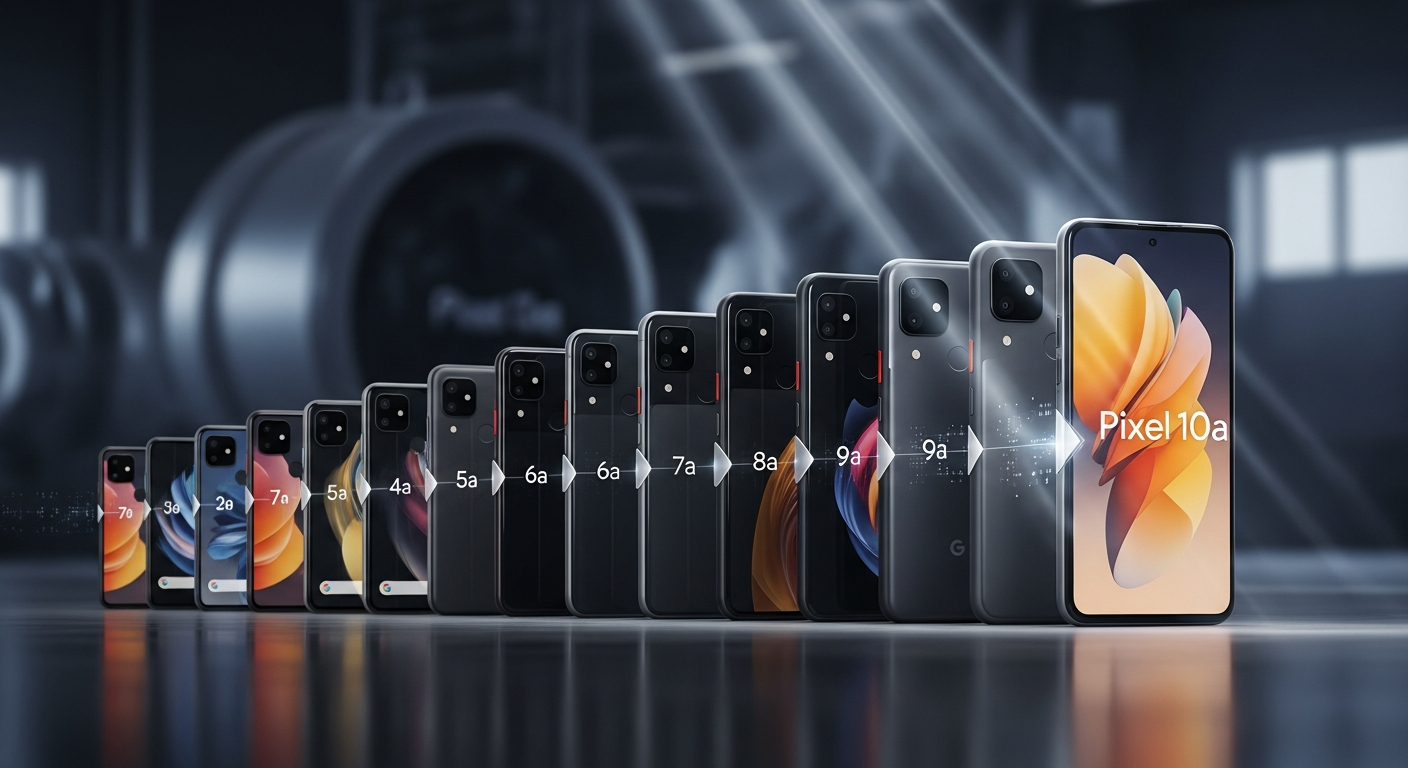
The A-series has evolved significantly since its inception, consistently pushing the boundaries of what's expected from a mid-tier device. Each iteration refines the balance between cost and performance, often inheriting flagship features from its higher-end counterparts (like the standard Pixel series). The 10a is expected to continue this trend, offering improvements in processor efficiency, battery life, and camera capabilities over its predecessor, the 9a. This continuous refinement reinforces Google's long-term commitment to the affordable segment, recognizing its importance in overall market strategy and democratic access to advanced mobile technology.
Public Sentiment
-
"Finally, a Pixel that hits the sweet spot for my budget and still gets those amazing Google features. Preordering tonight!" – TechEnthusiast_88
-
"The color options are a nice touch, especially Lavender. Hopefully, the battery life lives up to the hype this time around." – DigitalDreamer
-
"Another A-series at $499? Google is clearly sticking to what works. Solid move in this economy." – MarketWatchGuru
-
"I'm really hoping the camera maintains the Pixel standard. That's always been the A-series' biggest selling point for me." – PhotoPhile_23
Conclusion
The launch of the Google Pixel 10a at $499 reinforces Google's strategic commitment to the mid-range smartphone market. By combining competitive pricing, thoughtful design, and its signature software prowess, the 10a is positioned to be a significant contender, offering a compelling blend of value and performance. Its timely release and diverse aesthetic options are designed to appeal to a broad consumer base, further solidifying Google's footprint in the global smartphone arena and extending the reach of the Pixel ecosystem. The market's reception, particularly concerning its actual performance and long-term value against increasingly capable rivals, will be a key indicator of its success.