The dream of a truly intelligent home – one that anticipates our needs, conserves energy, and operates seamlessly in the background – often hinges on reliable person sensing. For years, this capability has been the exclusive domain of expensive, proprietary systems. Enter projects like [francescopace]'s ESPectre, touted as an ESP32-based solution that leverages existing or inexpensive hardware to detect human presence, promising 'high usefulness and low annoyance' in home automation. On the surface, the proposition is compelling: democratizing advanced sensing capabilities, empowering users, and sidestepping the walled gardens of commercial tech.
However, a critical eye reveals that the path from a hacker's workbench to a reliable, everyday smart home staple is fraught with obstacles. The notion that an ESP32-based person sensor requires 'no special hardware' can be misleading; it merely shifts the burden from proprietary gadgets to the sourcing, assembly, and meticulous calibration of various commodity components, often demanding a level of technical aptitude well beyond the general consumer.
Key Takeaways
-
Reliability vs. Expectation: DIY person sensors frequently struggle with accuracy, leading to 'ghosts in the machine' or missed detections, undermining their core purpose.
-
Hidden Costs of 'Cheap': While hardware costs are low, the investment in time, troubleshooting, and continuous maintenance for non-technical users can be substantial.
-
Integration Fragmentation: DIY solutions often operate in isolation, creating fragmented smart home ecosystems rather than seamless integration.
-
Security & Privacy Concerns: Without commercial-grade development and rigorous testing, homegrown sensors can present unforeseen vulnerabilities.
-
The Technical Barrier: Despite claims of ease, setup and ongoing management typically require significant technical proficiency.
Main Analysis: Unpacking the DIY Dilemma
The Siren Song of Accessibility: A Glimmer of Hope?
The appeal of ESPectre and similar projects is undeniable. They tap into a maker ethos, promising control and customization that off-the-shelf products rarely offer. For the technologically inclined, the process of building, tweaking, and optimizing a personal sensor system is a rewarding endeavor. It fosters a deeper understanding of underlying principles and allows for tailored solutions. This niche, however, is a far cry from the broader market of everyday users seeking plug-and-play convenience. For the average homeowner, the terms 'ESP32,' 'leveraging hardware,' and 'custom firmware' quickly transform from opportunities into insurmountable hurdles.
Reliability: The Phantom in the Machine
At the core of any effective home automation system is unwavering reliability. A person sensor that misfires – either detecting presence when a room is empty or, worse, failing to detect someone who is there – isn't just annoying; it actively undermines the utility of the entire smart home. Imagine lights flickering on and off erratically, or HVAC systems cycling unnecessarily. While commercial sensors often employ sophisticated algorithms and hardware designed to minimize false positives and negatives, DIY solutions, by their very nature, are often less refined. Environmental factors, interference, and subtle calibration errors can turn a promising prototype into an unpredictable nuisance. The 'low annoyance' touted by the project can quickly spiral into significant frustration as users endlessly troubleshoot phantom detections or unresponsive systems.
The True Cost of 'Cheap and Easy': Time and Technical Debt
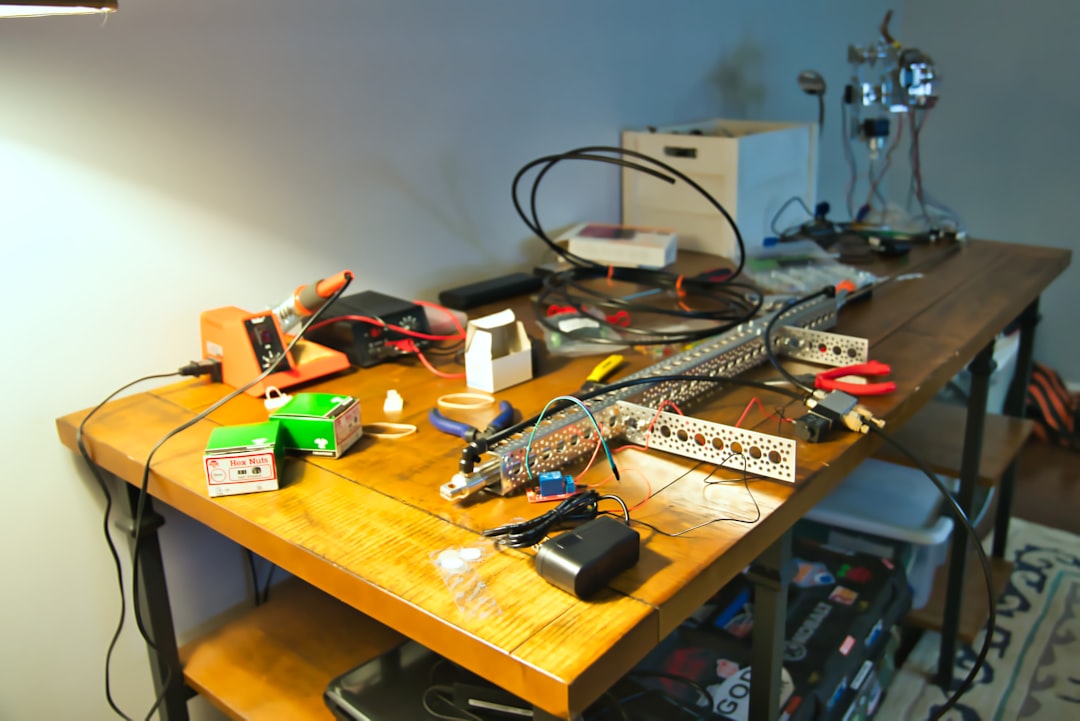
The initial cost of an ESP32 board and a few peripheral components might indeed be low. Yet, this often ignores the significant investment of time and intellectual capital required. 'Easy' for a seasoned electronics enthusiast or programmer is often 'impossible' for someone simply looking for their lights to turn on when they enter a room. Debugging code, understanding circuit diagrams, configuring network settings, and integrating with other smart home platforms like Home Assistant – these tasks represent a substantial, unacknowledged cost for the majority of users. Furthermore, the lack of official support channels, regular updates, and long-term maintenance plans means the longevity and stability of such a setup are entirely dependent on the individual user's ongoing commitment and technical prowess. What starts as a weekend project can morph into an endless cycle of tinkering.
Security and Privacy: A Blind Spot in the Blueprint?
Connecting any device to a home network, especially one designed to detect human presence, raises significant security and privacy questions. Commercial smart home devices, despite their own controversies, typically undergo security audits and adhere to certain industry standards. A DIY sensor, built and deployed by an individual, is unlikely to have the same robust protections. Who controls the data? How is it transmitted and stored? What vulnerabilities exist in the custom firmware or network configurations? For a project focused on detecting 'persons,' these are not trivial concerns. The very act of 'leveraging hardware' can inadvertently open doors to unauthorized access or data exploitation if not implemented with a meticulous understanding of cybersecurity principles.
Integration and the Fragmented Smart Home
Modern smart homes thrive on interconnectedness. Devices from different manufacturers are increasingly designed to communicate, creating a unified ecosystem. DIY sensors, while often capable of rudimentary integration, frequently exist on the periphery. Their compatibility can be fragile, reliant on specific software versions, or prone to breaking with updates to other platforms. This can lead to a fragmented smart home experience where different components operate in isolation, undermining the very 'automation' they are intended to facilitate.
Public Sentiment
Early adopters often express initial enthusiasm, praising the cost savings and the satisfaction of a 'self-made' solution. "It's amazing how much you can do with an ESP32 and some clever code!" one forum user exclaimed. However, this sentiment frequently gives way to frustration. "I spent more time troubleshooting false positives than enjoying the automation," another user lamented. Many technical users appreciate the challenge, but the overwhelming consensus among non-experts points to significant barriers. "It's a fantastic project for learning, but for actually living with it every day, I'd rather buy something that just works," summarized a popular Reddit thread.
Conclusion
While projects like ESPectre undoubtedly showcase impressive ingenuity and push the boundaries of accessible technology, they are, for now, more a testament to the maker movement's potential than a viable solution for the general public seeking reliable, low-annoyance home automation. The promise of 'cheap and easy' often obscures the substantial time investment, technical demands, and potential reliability issues that plague DIY person sensors. For the average consumer, the 'specter' of a perfectly functional, self-built smart home sensor will likely remain just that – a fascinating, yet elusive, vision that requires more specialized hardware, or perhaps, a 'specialized' user, than the initial headlines suggest. Until these challenges are comprehensively addressed, commercial alternatives, despite their cost, will continue to offer a more practical and truly 'low annoyance' path to an intelligent home.